
Zonosaurus karsteni
Zonosaurus karsteni, commonly known as Karsten's girdled lizard, is a species of lizard native to Madagascar. This terrestrial species prefers habitats such as forests, shrublands, and grasslands. It reproduces by laying eggs.
Key Facts
- ›Endemic to Madagascar.
- ›Prefers forest, shrubland, and grassland habitats.
- ›Is a terrestrial species.
- ›Reproduces by laying eggs (oviparous).
- ›Belongs to the family Gerrhosauridae.

Karsten's Girdled Lizard
Madagascar
Terrestrial
About Zonosaurus karsteni
Zonosaurus karsteni: Karsten's Girdled Lizard
Zonosaurus karsteni, commonly referred to as Karsten's girdled lizard, is a species of lizard that is native to Madagascar. This reptile belongs to the family Gerrhosauridae.
Habitat and Behavior
The preferred natural habitats of Zonosaurus karsteni are varied, including forest, shrubland, and grassland environments. As a terrestrial species, it primarily lives and moves on the ground within these ecosystems.
Reproduction
Zonosaurus karsteni reproduces by laying eggs, a characteristic known as being oviparous. Further details regarding its reproductive cycle, such as nesting habits or clutch size, are not extensively documented in the provided information.
Source: Wikipedia ↗
Frequently Asked Questions
Where is Zonosaurus karsteni found?
Zonosaurus karsteni is endemic to the island of Madagascar. Its natural habitats are found across the island.
What kind of environment does Karsten's girdled lizard live in?
This lizard's preferred natural habitats include forests, shrublands, and grasslands. It is well-adapted to these terrestrial environments.
How does Zonosaurus karsteni reproduce?
Zonosaurus karsteni is oviparous, meaning it reproduces by laying eggs. The specifics of its nesting and egg-laying behavior are not detailed in the available information.
What family does Zonosaurus karsteni belong to?
Zonosaurus karsteni belongs to the family Gerrhosauridae, which includes various species of girdled lizards.
Related Lizards
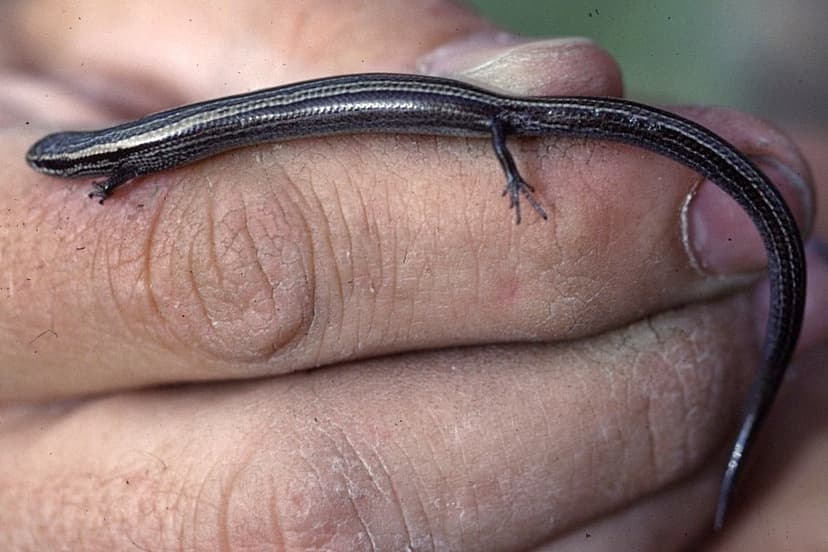
Chernov's skink
Chernov's skink, scientifically known as *Ablepharus chernovi*, is a species of skink found in northern Eurasia. This lizard inhabits grasslands, shrublands, and forests at moderate to high altitudes. It is characterized by being oviparous, with females laying clutches of up to four eggs.

Ctenotus helenae
Ctenotus helenae, commonly known as the clay-soil ctenotus, is a species of skink found across various Australian habitats including forests, shrublands, grasslands, and deserts. This terrestrial and diurnal lizard is oviparous, meaning it reproduces by laying eggs. The species' scientific name honors Helen Louise Pianka.

Delma fraseri
Fraser's delma (Delma fraseri), also known as Fraser's scalyfoot, is a species of legless lizard found in Western Australia. It inhabits diverse environments including forests, shrublands, grasslands, and rocky areas. This oviparous species is named in honor of botanist Charles Fraser.