
Chernov's skink
Chernov's skink, scientifically known as *Ablepharus chernovi*, is a species of skink found in northern Eurasia. This lizard inhabits grasslands, shrublands, and forests at moderate to high altitudes. It is characterized by being oviparous, with females laying clutches of up to four eggs.
Key Facts
- ›Endemic to northern Eurasia, specifically Armenia, eastern Turkey, and parts of the Caucasus.
- ›Inhabits grasslands, shrublands, and forests at elevations between 500 and 2,200 meters.
- ›Reproduction is oviparous, with females laying up to four eggs in June.
- ›Named in honor of the Russian herpetologist Sergius Alexandrovich Chernov.
- ›Recognized for its inclusion in the Red Data Book of the USSR and Armenia.
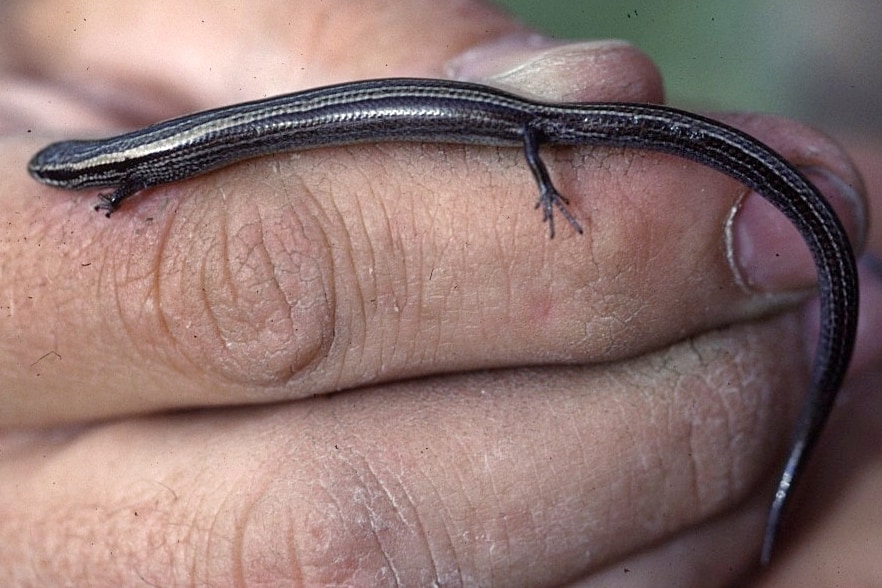
Armenia, Eastern Turkey, Northern Syria, Caucasus
About Chernov's skink
Chernov's skink, scientifically identified as Ablepharus chernovi, is a species of skink belonging to the lizard family Scincidae. This species is native to the northern regions of Eurasia, with its primary distribution encompassing Armenia, eastern Turkey, and parts of the Caucasus, including the valleys of the Arax and Hrazdan Rivers. Records from Syria may potentially refer to a different, closely related species.
Habitat and Ecology
The preferred natural environments for Chernov's skink are grasslands, shrublands, and forests. These habitats are typically found at elevations ranging from 500 to 2,200 meters (approximately 1,600 to 7,200 feet) above sea level. The species is oviparous, meaning it reproduces by laying eggs. Adult females are known to lay clutches of up to four eggs, with egg-laying typically occurring in the month of June.
Naming and Conservation
The specific epithet, chernovi, was chosen to honor the Russian herpetologist Sergius Alexandrovich Chernov. Reflecting concerns for its population, Chernov's skink was listed in the Red Data Book of the USSR in 1984, followed by its inclusion in the Red Data Book of Armenia three years later. This designation highlights its status as a species requiring conservation attention within these regions.
Source: Wikipedia ↗
Frequently Asked Questions
What is the scientific name for Chernov's skink?
The scientific name for Chernov's skink is *Ablepharus chernovi*. This binomial nomenclature is used to uniquely identify the species within the scientific community.
Where is Chernov's skink found?
Chernov's skink is native to northern Eurasia. Its known geographic range includes Armenia, eastern Turkey, northern Syria, and the valleys of the Arax and Hrazdan Rivers in the Caucasus.
What kind of habitats does Chernov's skink prefer?
This species prefers natural habitats such as grassland, shrubland, and forest. It is typically found at altitudes ranging from 500 to 2,200 meters above sea level.
How does Chernov's skink reproduce?
Chernov's skink is oviparous, meaning it reproduces by laying eggs. Adult females can lay a clutch of up to four eggs, usually in the month of June.
Has Chernov's skink received any conservation attention?
Yes, *Ablepharus chernovi* was included in the Red Data Book of the USSR in 1984. Three years later, it was also listed in the Red Data Book of Armenia, indicating conservation concerns.
Related Lizards

Algyroides nigropunctatus
The blue-throated keeled lizard (Algyroides nigropunctatus), also known as the Dalmatian algyroides, is distinguished by its keeled V-shaped scales and the striking blue throat of the males during the mating season. This species inhabits a range of environments across Italy and the Balkans, from Mediterranean shrubland to urban areas. Its diet consists primarily of insects and other small invertebrates.

Allison's anole
Allison's anole, also known as the Cuban blue anole, is a lizard species endemic to Cuba and surrounding islands, with introduced populations in southern Florida. This diurnal species is characterized by its bright blue head and forelegs in males and its ability to change color to brown. They are typically found on palm trunks and are known for their communal nesting behavior.
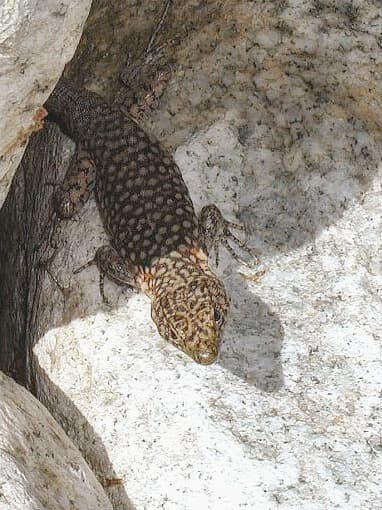
Archaeolacerta bedriagae
Bedriaga's rock lizard, scientifically known as Archaeolacterta bedriagae, is a species endemic to the islands of Corsica and Sardinia. This lizard is characterized by its brownish-grey coloration with a net pattern, which changes during the mating season, and juveniles are identifiable by their bright blue tails. It inhabits a variety of environments, including rocky areas, Mediterranean shrubland, and rural gardens, and is known for its ability to climb vertical surfaces and jump to catch flying insects.