
Cyrtopodium
Cyrtopodium
Cyrtopodium is a genus of orchids comprising over 40 species, known for their epiphytic and terrestrial growth habits. These orchids are distributed across a wide range from Florida and Mexico down to Argentina. The genus is distinctive as the sole member of the monotypic subtribe Cyrtopodiinae.
Key Facts
- ›The genus Cyrtopodium contains more than 40 species of orchids.
- ›These orchids can be found growing as epiphytes or terrestrial plants.
- ›Cyrtopodium species are native to regions spanning from Florida and Mexico to Argentina.
- ›It is the only genus within the subtribe Cyrtopodiinae.
- ›Cyrtopodium macrobulbon has a traditional use by Otomi artisans in Mexico for repairing amate paper.

Cyrt
Epiphytic, Terrestrial
About Cyrtopodium
Cyrtopodium is a genus of orchids distinguished by its diversity, encompassing over 40 recognized species. These orchids exhibit a dual growth habit, thriving both as epiphytes, growing on trees, and as terrestrial plants rooted in the ground. The geographic distribution of Cyrtopodium is extensive, extending from the southern United States in Florida and across Mexico, through Central America, and down to Argentina in South America.
This genus holds a unique taxonomic position as it is the sole representative within the subtribe Cyrtopodiinae, highlighting its distinct evolutionary lineage. While the broad range of species suggests varied appearances, specific details regarding individual flower colors, sizes, or bloom seasons are not uniformly documented across the genus in available records.
Traditional Uses
One notable traditional application of a Cyrtopodium species has been recorded for Cyrtopodium macrobulbon in San Pablito, Puebla, Mexico. Local Otomi artisans traditionally employ an adhesive derived from the pseudobulbs of this orchid. This adhesive is crucial for repairing imperfections in amate paper, a craft product made from tree bark. The process involves preparing the pseudobulbs, rubbing the injured end onto a piece of amate paper used as a patch, and then applying it around the perimeter of a hole in the amate sheet. This patch is then hammered into place to ensure a secure bond, demonstrating a long-standing practical use of this orchid in indigenous craft traditions.
Source: Wikipedia ↗
Frequently Asked Questions
What are Cyrtopodium orchids?
Cyrtopodium is a genus of orchids that includes over 40 species. These orchids are notable for their ability to grow both on other plants as epiphytes and in the ground as terrestrial plants.
Where are Cyrtopodium orchids found?
The natural distribution of Cyrtopodium orchids is extensive, ranging from Florida in the United States and Mexico, southward through Central and South America to Argentina.
What makes the genus Cyrtopodium unique?
Cyrtopodium holds a unique position in orchid classification as it is the sole genus within the monotypic subtribe Cyrtopodiinae. This means it has no closely related genera within its immediate taxonomic group.
Are there any traditional uses for Cyrtopodium orchids?
Yes, the species Cyrtopodium macrobulbon has a traditional use among Otomi artisans in San Pablito, Puebla, Mexico. They utilize an adhesive extracted from the orchid's pseudobulbs to repair defects in amate paper.
Related Orchid species
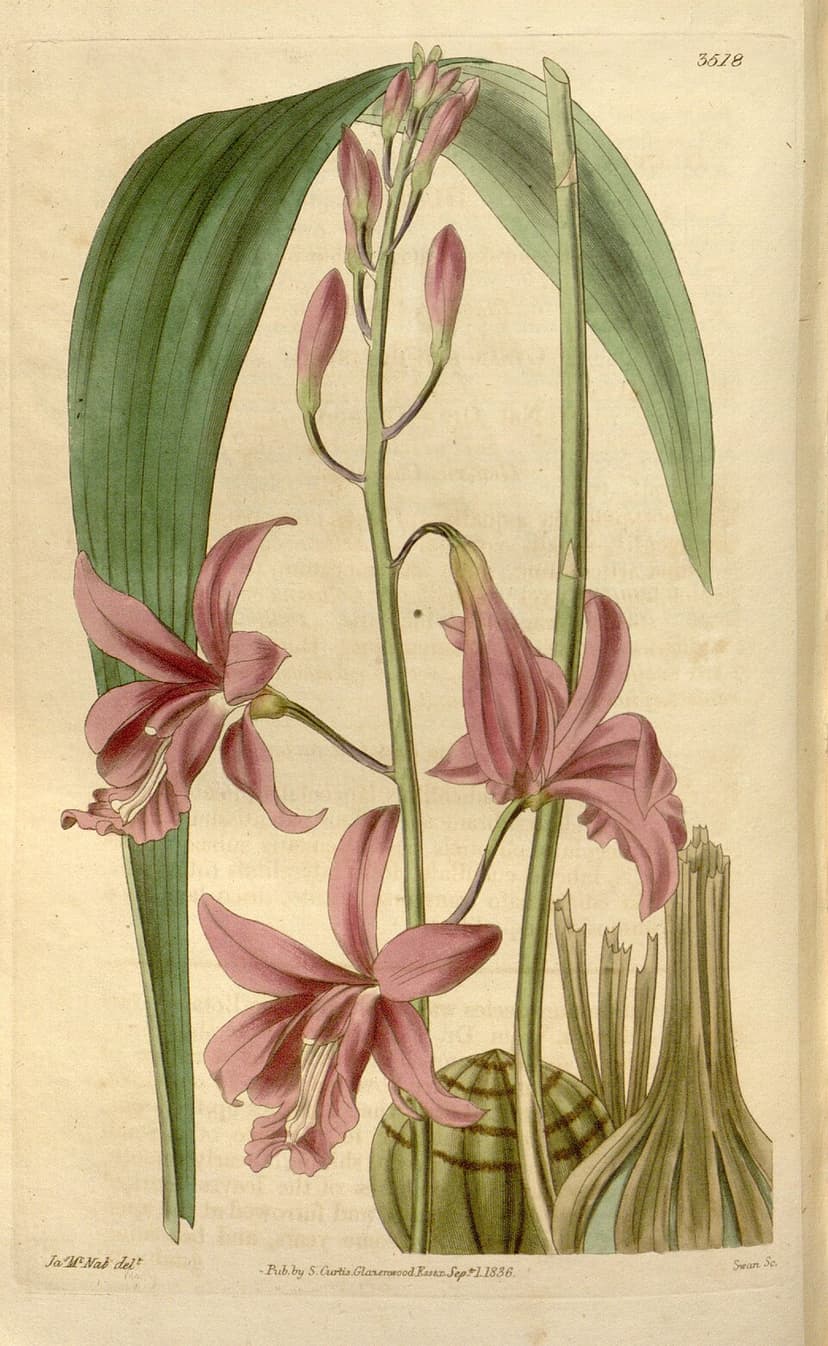
Bletia
Bletia is a genus of approximately 30 species of terrestrial orchids, with some also growing as lithophytes or epiphytes. Named in honor of Spanish botanist Don Luis Blet, this genus is widely distributed across regions including Florida, Mexico, Central America, the West Indies, and South America down to Argentina.
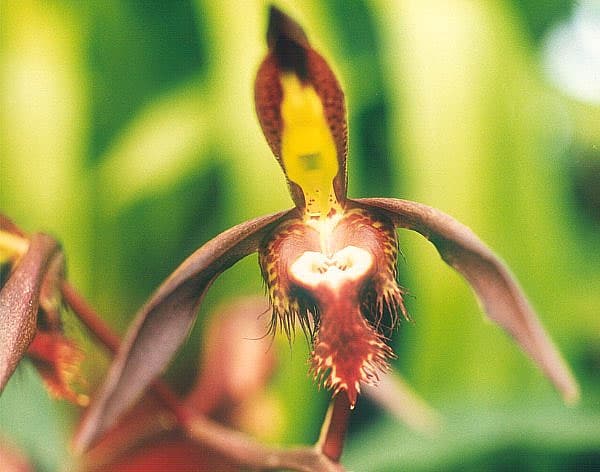
Catasetum
Catasetum is a genus of showy epiphytic orchids belonging to the family Orchidaceae. Native to regions spanning from Mexico to Argentina, many species are highly valued in horticulture for their striking flowers. A distinctive characteristic of Catasetum is its unisexual flowers, with male and female blooms often appearing on separate plants, a phenomenon that historically puzzled botanists until explained by Charles Darwin.
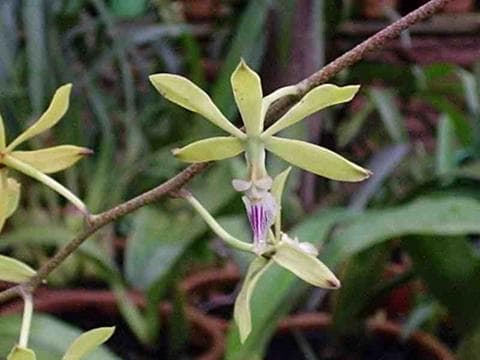
Encyclia
Encyclia is a genus of orchids native to Florida, the Caribbean, Mexico, and other tropical American regions. These plants are known for their stiff, drought-resistant leaves, large pseudobulbs, and flowers that can last over a month. Some species within the genus are fragrant, with Encyclia fragrans notably producing vanilla-scented blooms.