
Discyphus
Discyphus
Discyphus is a monotypic genus of orchids, meaning it contains only one recognized species, Discyphus scopulariae. This genus is notable for being the sole member of the subtribe Discyphinae within the tribe Cranichideae. Discyphus scopulariae is native to several regions in South America and the Caribbean.
Key Facts
- ›Discyphus is the only genus in the subtribe Discyphinae.
- ›It belongs to the tribe Cranichideae within the Orchidaceae family.
- ›The genus currently contains only one accepted species, Discyphus scopulariae.
- ›Discyphus scopulariae has two accepted varieties: var. longiauriculata and var. scopulariae.
- ›Discyphus scopulariae is found in Trinidad, Panama, Venezuela, and Brazil.
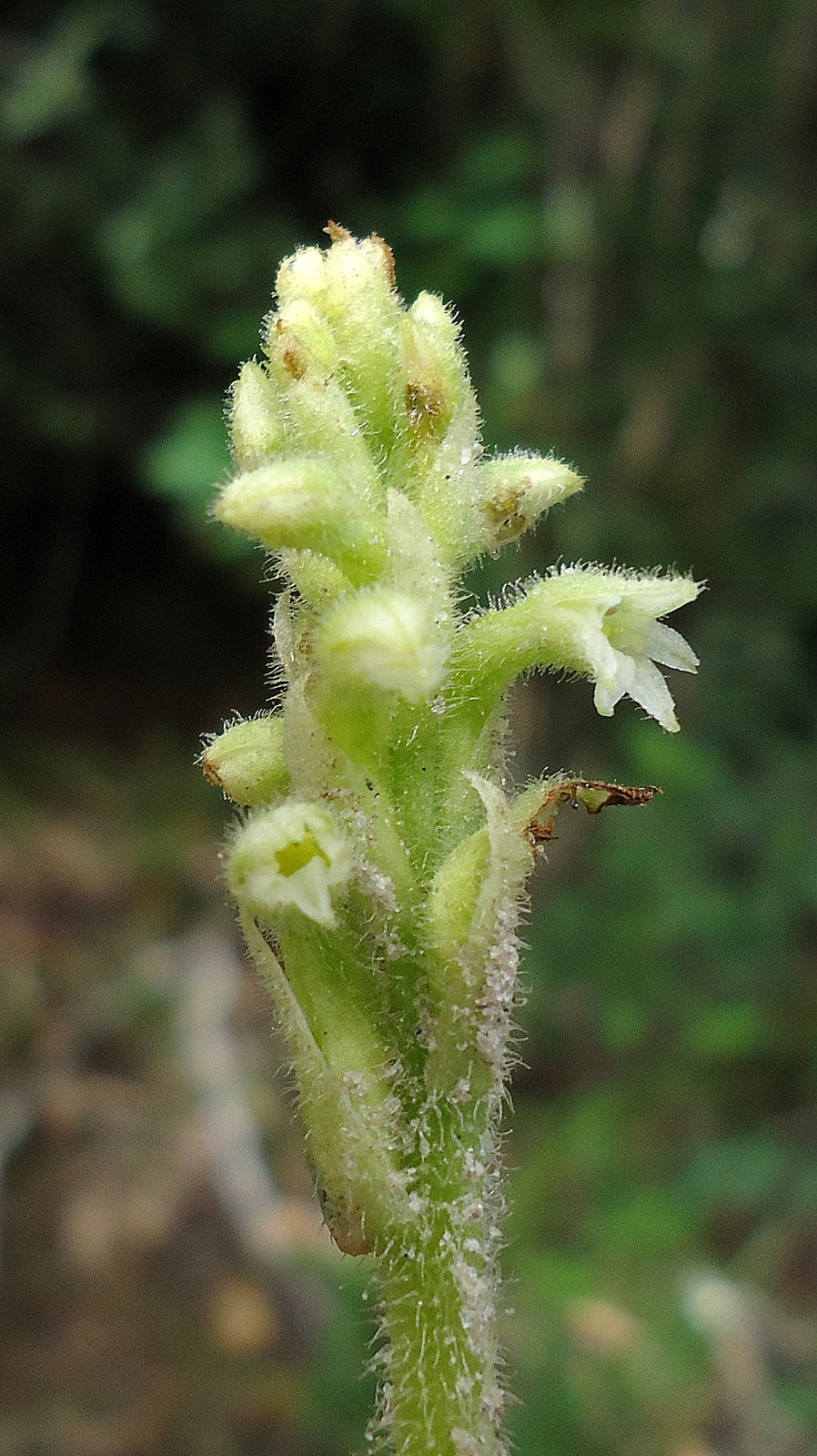
About Discyphus
The genus Discyphus represents a unique lineage within the vast Orchidaceae family. It is notable for being the sole genus comprising the subtribe Discyphinae, which itself is part of the tribe Cranichideae. This taxonomic distinction highlights its singular position in orchid classification.
Species and Distribution
Currently, Discyphus is recognized as a monotypic genus, containing only one accepted species: Discyphus scopulariae. This species is further divided into two distinct varieties:
- Discyphus scopulariae var. longiauriculata: This variety is known to occur in Trinidad.
- Discyphus scopulariae var. scopulariae: The nominate variety has a broader distribution, found in Trinidad, Panama, Venezuela, and Brazil.
The geographic spread of Discyphus scopulariae across these South American and Caribbean locales indicates its adaptation to varied tropical and subtropical environments. While detailed ecological and horticultural information for Discyphus is not extensively documented, its presence in these regions points to specific climate and habitat requirements typical of Neotropical orchids.
Source: Wikipedia ↗
Frequently Asked Questions
What is Discyphus?
Discyphus is a genus of flowering plants belonging to the orchid family, Orchidaceae. It is distinguished as the sole genus within the subtribe Discyphinae.
How many species are in the genus Discyphus?
The genus Discyphus is monotypic, containing only one currently recognized species, Discyphus scopulariae. This species has two accepted varieties.
Where is Discyphus scopulariae found?
Discyphus scopulariae naturally occurs in several locations across the Americas. Its native range includes Trinidad, Panama, Venezuela, and Brazil.
What are the varieties of Discyphus scopulariae?
There are two accepted varieties of Discyphus scopulariae. These are Discyphus scopulariae var. longiauriculata, found in Trinidad, and Discyphus scopulariae var. scopulariae, which is found in Trinidad, Panama, Venezuela, and Brazil.
Related Orchid species

Gongora
Gongora is a genus of orchids belonging to the family Orchidaceae, comprising around 65 species primarily found in Central America and tropical South America, with a significant concentration in Colombia. These epiphytic plants are distinguished by their pendulous inflorescences bearing numerous flowers that hang upside down, often with distinctive fragrances and waxy blooms. The genus is named in honor of Antonio Caballero y Gongora, a Spanish viceroy and governor.

Barbosella
Barbosella is a genus of creeping orchids comprising about 20 species, primarily found across the West Indies and Latin America, from Mexico down to Argentina. These orchids are distinguished by their solitary flowers, which feature a unique lip base that functions like a ball and socket joint. The genus was named in honor of João Barbosa Rodrigues, a notable investigator of Brazilian orchids.
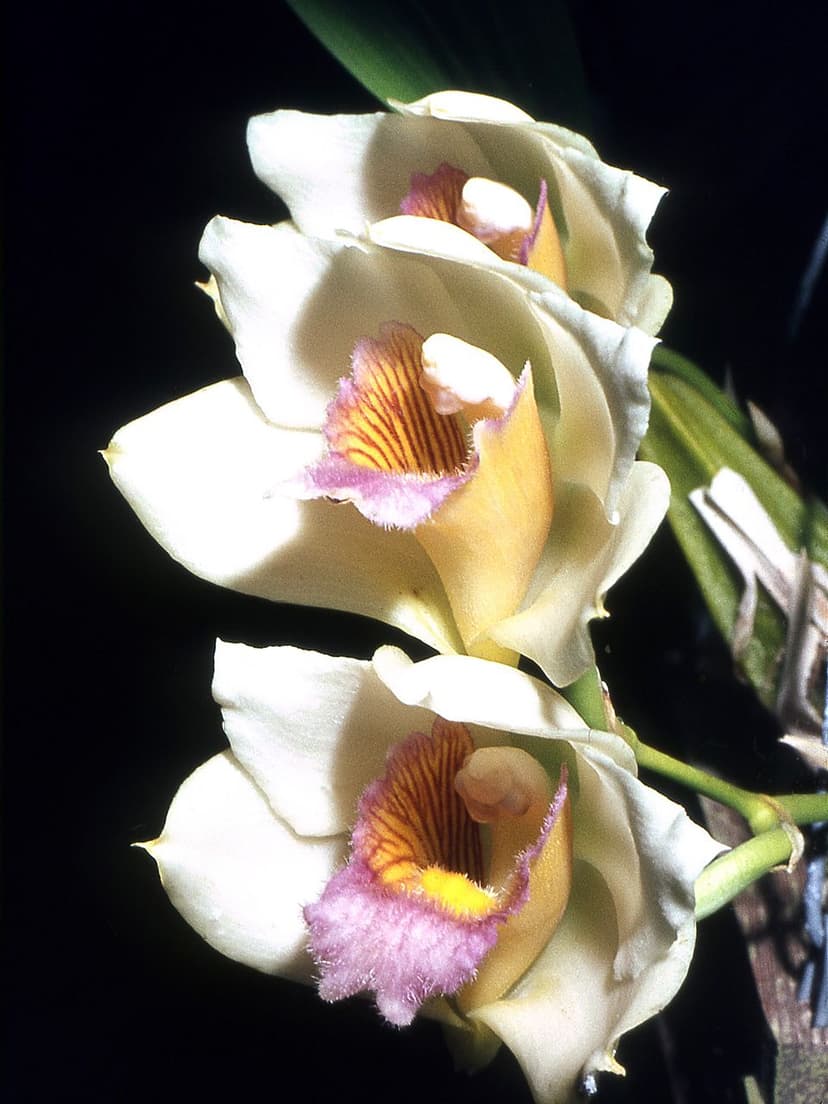
Bifrenaria
Bifrenaria is a genus of orchids comprising about twenty species native to Panama, Trinidad, and South America, primarily found in the Amazon and Atlantic Forests of Brazil. These orchids are admired by growers for their abundant and striking flowers, which are often strongly scented and possess a distinctive calcar at the base of the sepals.