
Bifrenaria
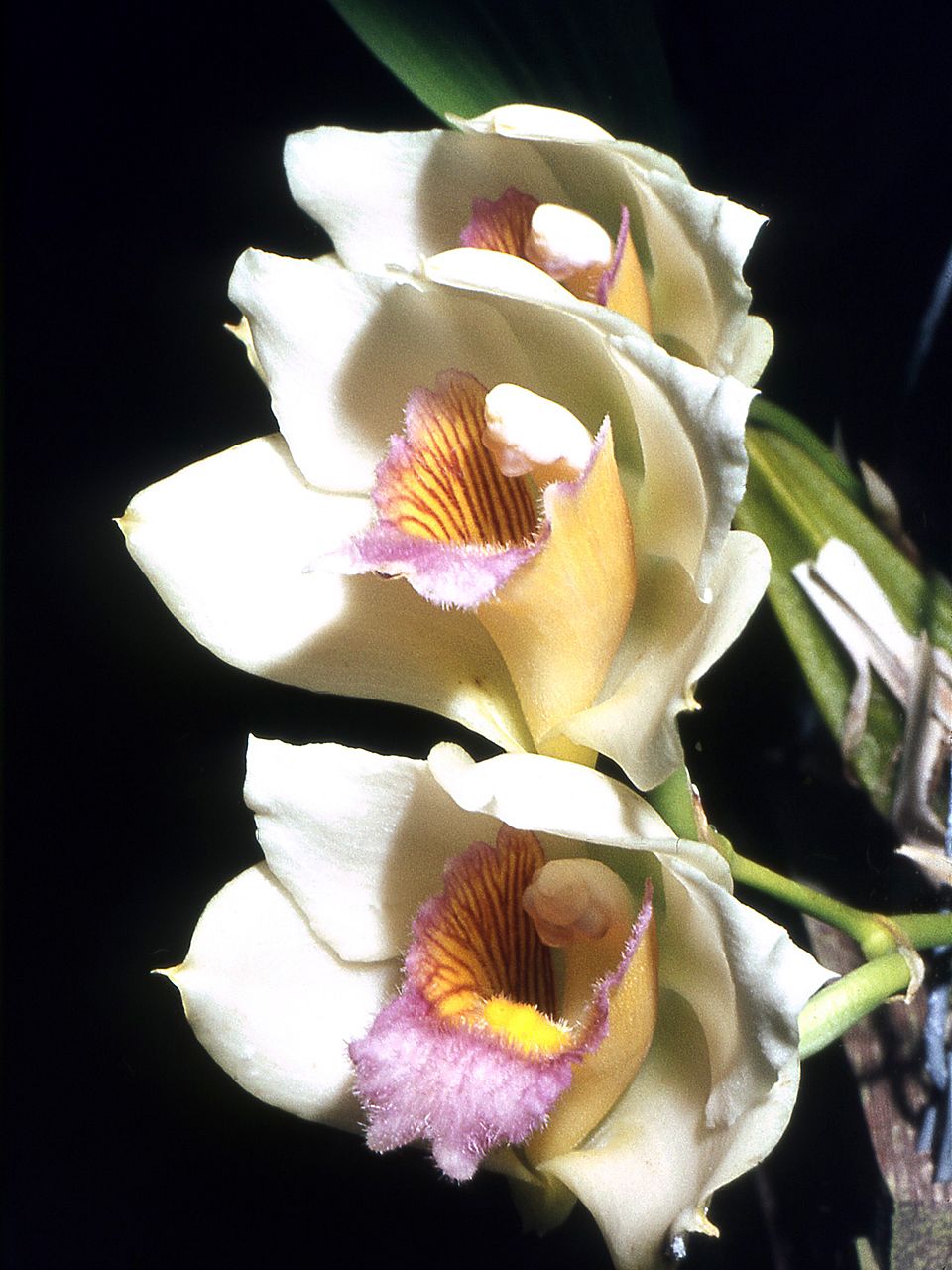
Bifrenaria is a genus of orchids comprising about twenty species native to Panama, Trinidad, and South America, primarily found in the Amazon and Atlantic Forests of Brazil. These orchids are admired by growers for their abundant and striking flowers, which are often strongly scented and possess a distinctive calcar at the base of the sepals.
Key Facts
- ›The genus Bifrenaria is part of the Orchidaceae family and contains approximately 20 species.
- ›Bifrenaria species are found in Panama, Trinidad, and various regions of South America.
- ›Flowers are typically strongly scented and feature sepals slightly larger than the petals.
- ›The genus is characterized by sympodial growth, round-section roots, and four-angled fleshy pseudobulbs.
- ›Large-flowered species are generally epiphytic or lithophytic and originate from southeastern Brazil.
- ›Small-flowered species, sometimes classified as Adipe, are often epiphytic and found in less sunny areas.
Bif.
Panama, Trinidad, South America, Amazon Forest, Atlantic Forest of Brazil
Epiphytic, Lithophytic, Terrestrial
Well Drained Vegetable Fiber
Male Eufriesea Violacea Bees, Bombus Brasiliensis, Large Bees, Smaller Bees, Hummingbirds
About Bifrenaria
Bifrenaria is a genus of orchids belonging to the Orchidaceae family, encompassing approximately twenty species. These plants are native to a range spanning Panama, Trinidad, and various regions across South America, with significant populations found in the Amazon Forest and the Atlantic Forest of Brazil. Orchid enthusiasts often favor Bifrenaria for their abundant and visually striking flowers, which are frequently characterized by a strong, distinctive fragrance. The genus name itself, Bifrenaria, is derived from the Latin 'bi' (two) and 'freno' (brake), referencing the two pairs of pollinia found in its flowers.
Morphology and Characteristics
Bifrenaria orchids are typically robust plants exhibiting sympodial growth, reaching heights between ten and sixty centimeters. Key features include roots with thick velamen, four-angled fleshy pseudobulbs, and leathery, plicate leaves. A defining characteristic of Bifrenaria flowers is the presence of a calcar, a spur-like structure formed by the fusion of the lateral sepals with the column foot, which distinguishes them from closely related genera. The flowers possess sepals that are slightly larger than the petals and are known for their strong scent, although the intensity can vary among species. Pollination is believed to occur primarily via large bees, with some smaller species potentially pollinated by smaller bees or hummingbirds.
Distribution and Habitat
The natural distribution of Bifrenaria spans from northern South America, extending to Trinidad and as far south as Rio Grande do Sul in Brazil. The genus is primarily concentrated in two distinct areas: the Amazon Forest and the Atlantic Forest of Brazil. The Atlantic Forest, in particular, is considered a recent center of distribution, harboring seventeen species. Large-flowered species are more common in southeastern Brazil, inhabiting diverse environments from sea level to altitudes of 2,000 meters. Smaller-flowered species, sometimes classified under the genus Adipe, are generally found in less illuminated areas within cloud montane forests or tropical lowland forests, typically between 300 and 1,600 meters in altitude.
Taxonomy and Classification
The taxonomic history of Bifrenaria is complex, marked by numerous species descriptions and genus creations over centuries. Initially, species were described under genera like Dendrobium and Maxillaria before John Lindley formally proposed the genus Bifrenaria in 1832. Over time, several other genera, such as Stenocoryne, Adipe, Lindleyella, Schlechterella, and Cydoniorchis, have been proposed or used to classify species now considered part of Bifrenaria or closely related. Molecular analyses have further refined understanding, leading to reclassifications and debates about genus boundaries. Bifrenaria is traditionally placed in the subtribe Bifrenariinae of the tribe Maxillarieae, with Rudolfiella being its closest relative.
Cultivation
Bifrenaria orchids are generally considered comparatively easy to grow. Successful cultivation requires species-specific environments, with larger species needing more light than their smaller counterparts. They are best potted in well-drained media, such as vegetable fiber, to prevent root rot, as they are susceptible to rot when kept excessively humid. All species benefit from increased watering and fertilization during their active growth phase. Different species have varying temperature and humidity requirements, with Amazonian species needing higher and more constant conditions than those from Southeast Brazil.
Source: Wikipedia ↗
Frequently Asked Questions
What are the main characteristics of Bifrenaria orchids?
Bifrenaria orchids are generally robust plants with sympodial growth, characterized by round-section roots, four-angled pseudobulbs, and leathery leaves. Their flowers are strongly scented and possess a unique calcar formed by the united lateral sepals and column foot.
Where are Bifrenaria orchids found naturally?
These orchids are distributed from northern South America, including Trinidad, down to Rio Grande do Sul in Brazil. They are predominantly found in two isolated areas: the Amazon Forest and the Atlantic Forest of Brazil.
What makes Bifrenaria flowers distinctive?
Bifrenaria flowers are known for their abundant and striking appearance, often described as artificial-looking. They are typically strongly scented and have a calcar at the base of the sepals, which is a key distinguishing feature from closely related genera.
How are Bifrenaria orchids categorized?
The genus is broadly divided into two main groups: robust plants with large flowers, mostly originating from southeastern Brazil, and more delicate plants with smaller flowers, often found in less sunny environments.
What are the general cultivation requirements for Bifrenaria orchids?
Bifrenaria orchids are considered relatively easy to grow. They require well-drained potting media to prevent root rot and need specific light and temperature conditions depending on whether they are large or small-flowered species.
Are Bifrenaria flowers fragrant?
Yes, Bifrenaria flowers are generally strongly scented. The intensity of the fragrance can vary, but it is a notable characteristic of many species, with some fragrances being compared to those of plants pollinated by large bees.
Related Orchid species

Gongora
Gongora is a genus of orchids belonging to the family Orchidaceae, comprising around 65 species primarily found in Central America and tropical South America, with a significant concentration in Colombia. These epiphytic plants are distinguished by their pendulous inflorescences bearing numerous flowers that hang upside down, often with distinctive fragrances and waxy blooms. The genus is named in honor of Antonio Caballero y Gongora, a Spanish viceroy and governor.
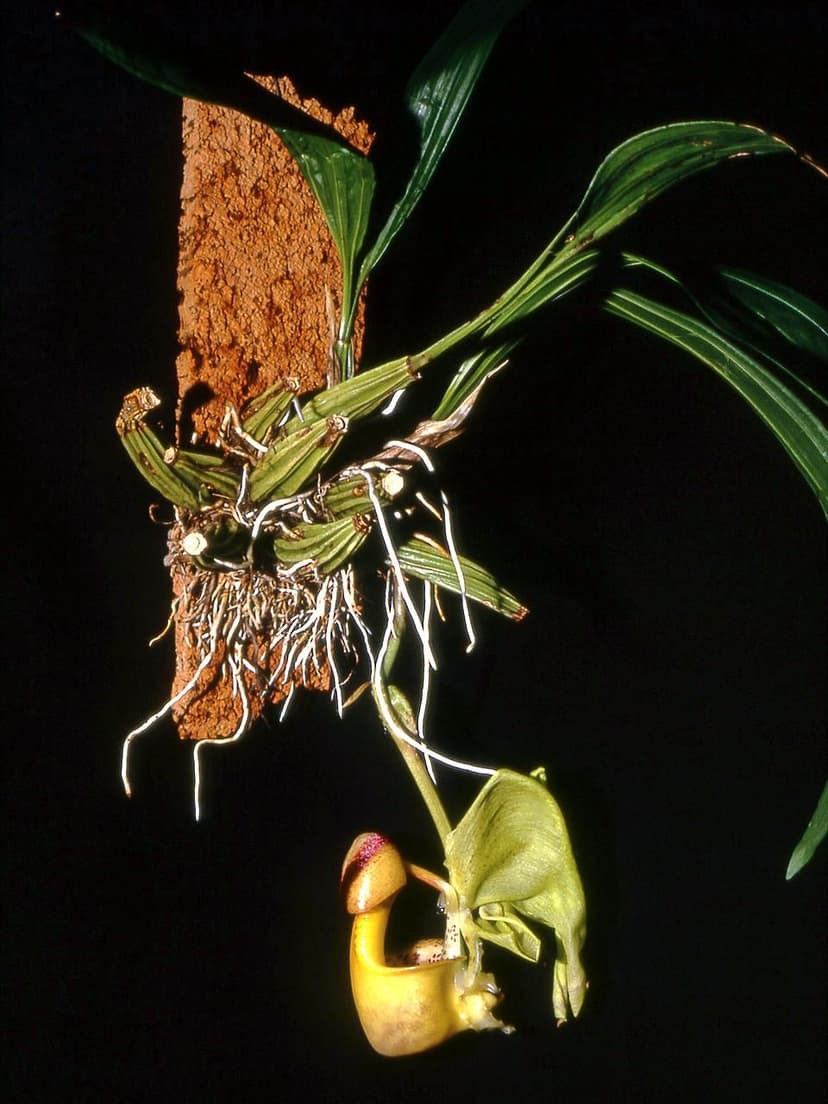
Coryanthes
Coryanthes, commonly known as bucket orchids, is a genus of neotropical epiphytic orchids native to South America, Central America, Mexico, and Trinidad. These orchids are renowned for their intricate coevolutionary relationship with male orchid bees, which are essential for their reproduction through a unique pollination mechanism involving a fluid-filled bucket-shaped lip.
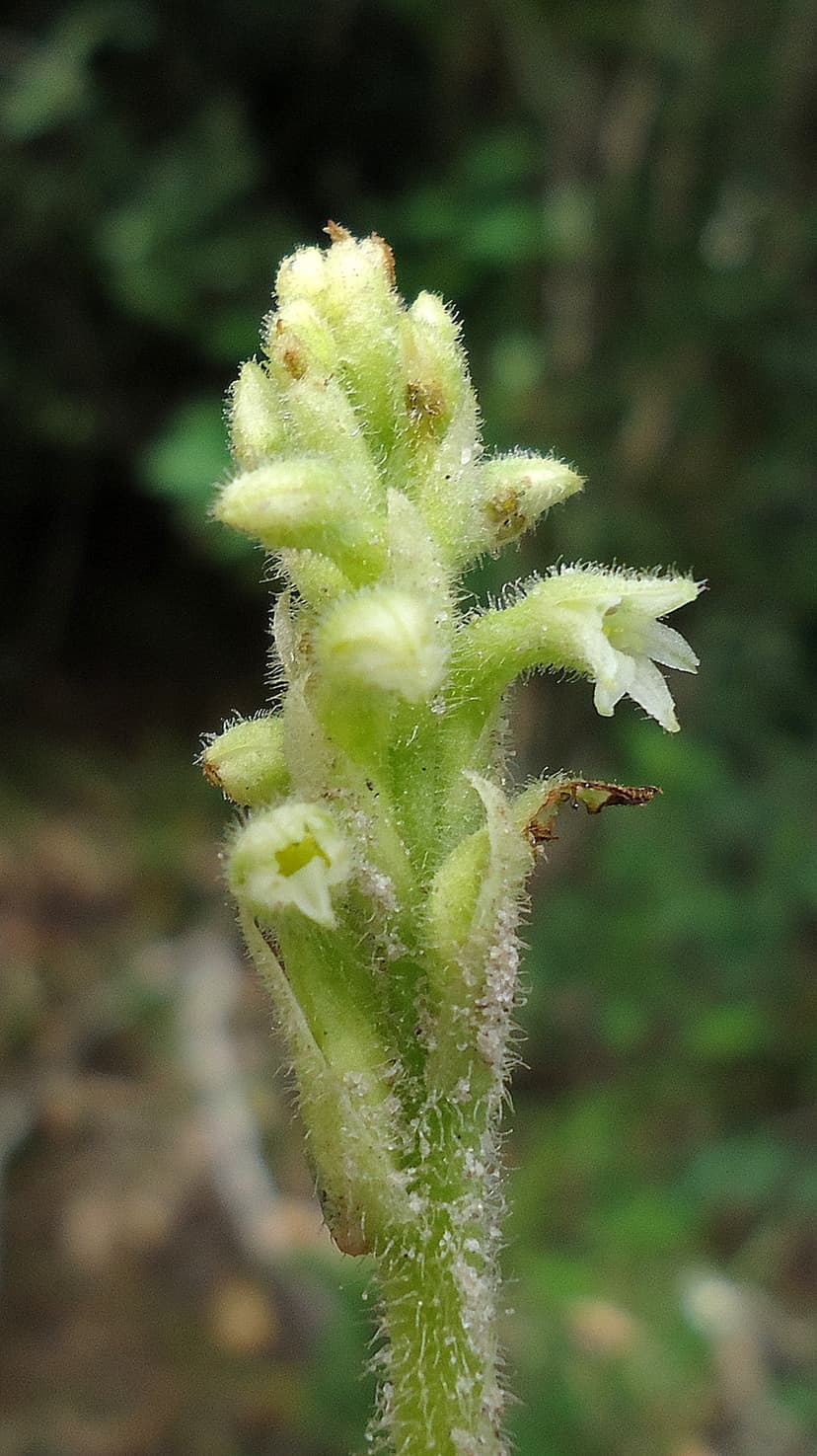
Discyphus
Discyphus is a monotypic genus of orchids, meaning it contains only one recognized species, Discyphus scopulariae. This genus is notable for being the sole member of the subtribe Discyphinae within the tribe Cranichideae. Discyphus scopulariae is native to several regions in South America and the Caribbean.