
Echinosepala
Echinosepala
Echinosepala is a genus of orchids native to the tropical Americas, with species found from Nicaragua to Bolivia and northern Brazil, as well as Belize and Jamaica. It was formerly classified under the genus Myoxanthus, comprising its subgenera Silenia and Satyria. The genus name was changed from Echinella to Echinosepala to avoid confusion with an algae genus.
Key Facts
- ›Echinosepala is a genus of orchids comprising 17 recognized species.
- ›The natural range of Echinosepala species extends across the tropical Americas, from Nicaragua to Bolivia, northern Brazil, Belize, and Jamaica.
- ›This genus was previously considered part of the genus Myoxanthus.
- ›The genus name was revised from Echinella to Echinosepala due to a conflict with an existing algae genus name.
- ›Species within Echinosepala were formerly classified under the subgenera Silenia and Satyria.
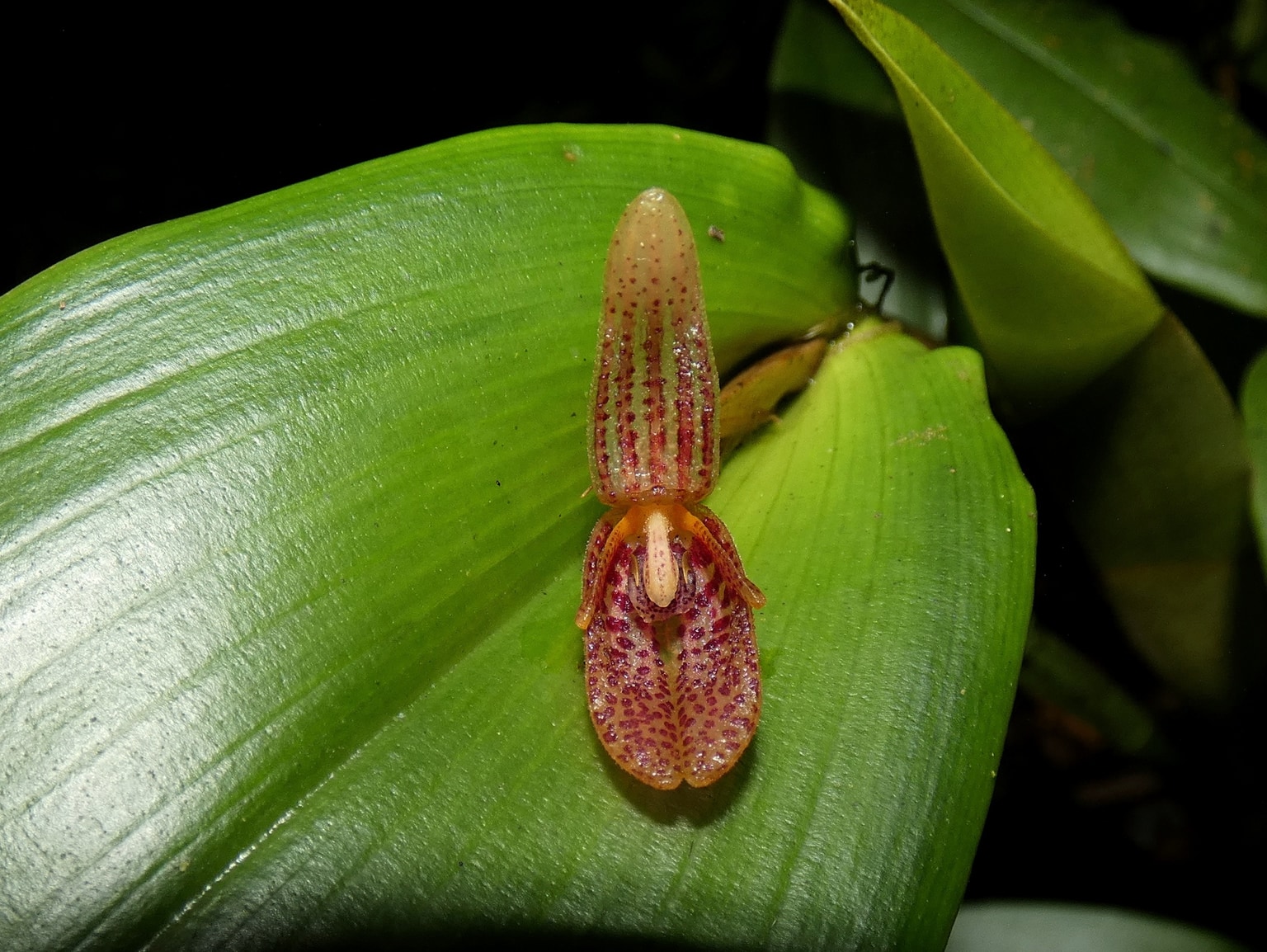
About Echinosepala
Echinosepala is a genus of orchids recognized for its distinct species found within the tropical Americas. The genus encompasses 17 species, with their natural habitats extending across a broad geographical area that includes Nicaragua, Bolivia, northern Brazil, Belize, and Jamaica. This distribution highlights the orchid's adaptation to diverse tropical environments.
Historically, the species now classified under Echinosepala were considered part of the genus Myoxanthus, specifically within its subgenera Silenia and Satyria. The reclassification into the genus Echinosepala has been widely accepted by the botanical community, reflecting a more precise understanding of their taxonomic relationships.
The genus name itself underwent a revision. It was previously known as Echinella, but this designation also applied to a genus of algae. To resolve this nomenclature conflict and ensure clarity, the name was changed to Echinosepala. This adjustment is crucial for accurate identification and study of these unique orchid species.
Source: Wikipedia ↗
Frequently Asked Questions
How many species are in the genus Echinosepala?
The genus Echinosepala currently contains 17 recognized species. These species are distributed across various regions in the tropical Americas.
What is the geographic distribution of Echinosepala orchids?
Echinosepala orchids are native to the tropical Americas. Their range includes countries such as Nicaragua, Bolivia, northern Brazil, Belize, and the island of Jamaica.
What was the previous scientific classification of Echinosepala orchids?
Before being recognized as the genus Echinosepala, these orchids were classified as subgenera within the genus Myoxanthus. Specifically, they comprised the subgenera Silenia and Satyria.
Why was the genus name changed?
The genus was formerly known as Echinella. However, this name was also used for an algae genus, leading to the change to Echinosepala to prevent confusion and establish a unique botanical designation.
Related Orchid species

Dinema
Dinema is a genus of orchids, currently represented by the single species Dinema polybulbon. This orchid is native to Mexico, Central America, and the Caribbean, where it typically grows as an epiphyte or lithophyte in humid mixed forests. It is distinguished by its relatively large, solitary flowers with a simple white to yellowish-white lip and distinctive cornicle-shaped extensions on the column.

Barbosella
Barbosella is a genus of creeping orchids comprising about 20 species, primarily found across the West Indies and Latin America, from Mexico down to Argentina. These orchids are distinguished by their solitary flowers, which feature a unique lip base that functions like a ball and socket joint. The genus was named in honor of João Barbosa Rodrigues, a notable investigator of Brazilian orchids.
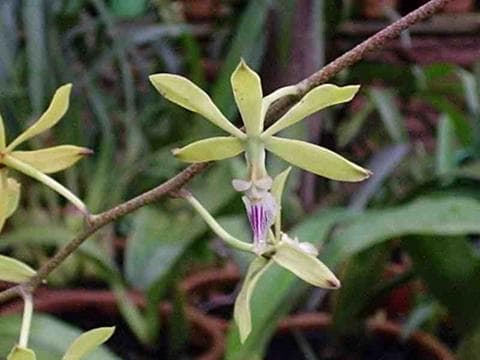
Encyclia
Encyclia is a genus of orchids native to Florida, the Caribbean, Mexico, and other tropical American regions. These plants are known for their stiff, drought-resistant leaves, large pseudobulbs, and flowers that can last over a month. Some species within the genus are fragrant, with Encyclia fragrans notably producing vanilla-scented blooms.