
Eggelingia
Eggelingia
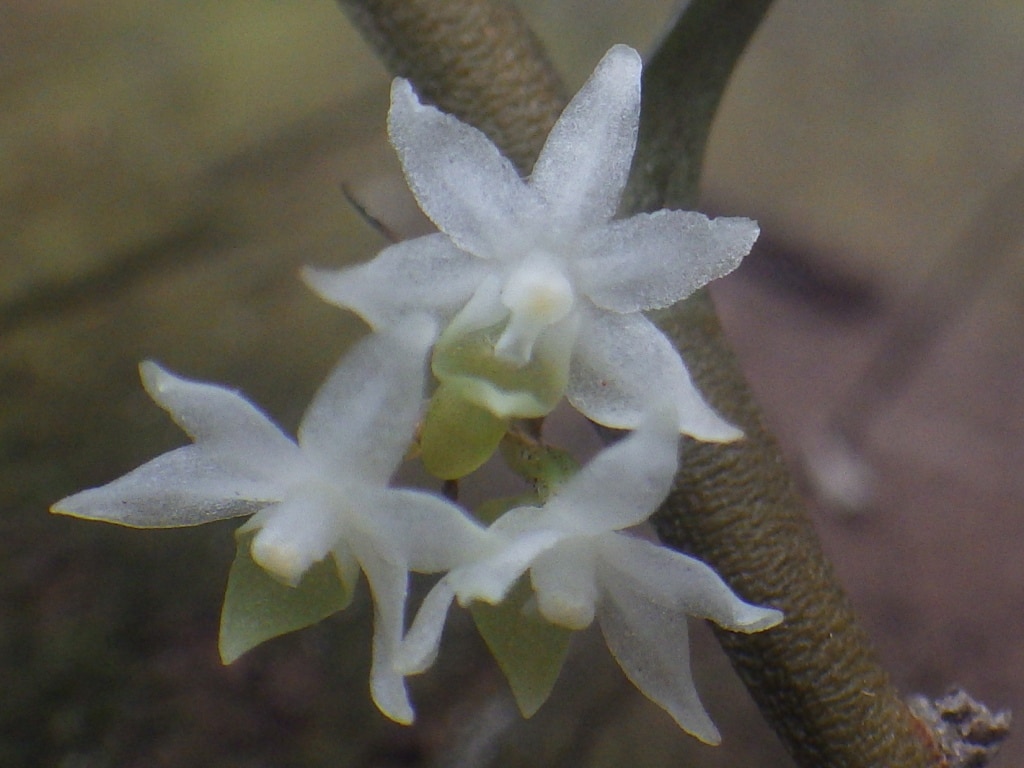
Eggelingia is a genus of three known orchid species, all originating from tropical Africa. This genus is part of the Orchidaceae family and was named in honor of the Scots forester William Julius Eggeling. The species within Eggelingia are distinguished by their unique botanical characteristics, though detailed information on their specific traits is limited in general documentation.
Key Facts
- ›Eggelingia is a genus of orchids containing three recognized species.
- ›All known species of Eggelingia are native to tropical Africa.
- ›The genus is named after the Scots forester, William Julius Eggeling.
- ›Eggelingia belongs to the Orchidaceae family.
- ›Specific details regarding the growth habit, flower characteristics, and conservation status of individual Eggelingia species are not widely documented.
About Eggelingia
Eggelingia is a genus of orchids comprising three known species, all of which are native to the tropical regions of Africa. This genus belongs to the large and diverse Orchidaceae family. The scientific name, Eggelingia, was established to honor William Julius Eggeling, a Scots forester.
Known Species
The three species currently recognized within the Eggelingia genus are:
- Eggelingia clavata
- Eggelingia gabonensis
- Eggelingia ligulifolia
These species are geographically restricted to tropical Africa, though specific details about their individual habitats, preferred growing conditions, and unique morphological features are not extensively documented in general references.
Botanical Classification
As a member of the Orchidaceae family, Eggelingia shares characteristics with a vast array of orchid species found worldwide. The Orchidaceae family is known for its intricate floral structures and diverse pollination strategies. Further research into the specific botanical attributes of Eggelingia species would provide deeper insights into their place within this prominent plant family.
Source: Wikipedia ↗
Frequently Asked Questions
How many species are in the genus Eggelingia?
The genus Eggelingia currently contains three recognized species. These species include Eggelingia clavata, Eggelingia gabonensis, and Eggelingia ligulifolia.
Where are Eggelingia orchids found naturally?
All known species of Eggelingia are native to tropical Africa. Their natural distribution is confined to this region.
What is the origin of the name Eggelingia?
The genus Eggelingia was named in honor of William Julius Eggeling, a Scots forester. This naming acknowledges his contributions or connection to the regions where these orchids are found.
What family does Eggelingia belong to?
Eggelingia is a genus within the Orchidaceae family, commonly known as the orchid family. This places it among a vast and diverse group of flowering plants.
Related Orchid species

Corymborkis
Corymborkis is a genus of terrestrial orchids found across tropical regions worldwide. These evergreen plants are known for their leafy stems, pleated leaves, and widely-opening flowers, which are typically greenish-white and arranged in crowded clusters. The genus name itself reflects the characteristic bunched arrangement of their blooms.
Aerangis
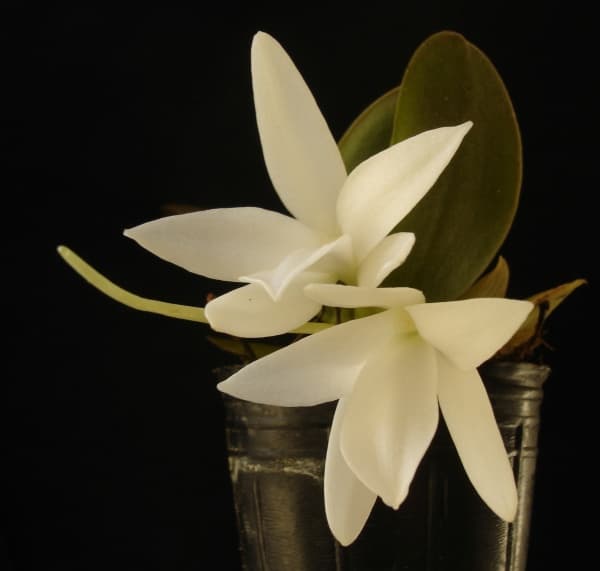
Aerangis is a genus of orchids within the Orchidaceae family, named from Greek words for "air" and "urn" due to the lip's shape. Native to tropical Africa, Madagascar, the Comoro Islands, and Sri Lanka, these orchids are distinguished by their large, waxy, star-shaped flowers, typically white, cream, or yellow, often featuring a long spur and a pleasant nocturnal fragrance.

Angraecum
Angraecum, commonly known as the comet orchid, is a diverse genus of orchids native to tropical and South Africa, Madagascar, and Sri Lanka. These plants are characterized by their fleshy leaves, adapted to dry tropical woodlands, and their distinctive flowers, often white with a long spur at the base of the lip, which can be up to 30 centimeters long in some species. This unique morphology has led to fascinating co-evolutionary relationships with specific pollinators, most famously the hawk moth with Angraecum sesquipedale.