
Gastrodia
Gastrodia
Gastrodia, commonly known as potato orchids, is a genus of about ninety described species of leafless, terrestrial orchids. These orchids are characterized by fleshy, upright stems and small to medium-sized flowers with narrow sepals and petals, native to diverse regions across Asia, Australia, New Zealand, central Africa, and various islands.
Key Facts
- ›Gastrodia species are leafless, terrestrial orchids.
- ›They possess a fleshy, underground rhizome and an upright flowering stem.
- ›Flowers are resupinate, bell-shaped or tubular, with fused sepals and petals.
- ›Petals are typically smaller than the sepals, and the labellum is three-lobed and enclosed in the tube.
- ›The genus is native to Asia, Australia, New Zealand, central Africa, and islands in the Indian and Pacific Oceans.
- ›Approximately ninety species have been described within the genus.

Potato Orchids
Asia, Australia, New Zealand, Central Africa, Indian Ocean Islands, Pacific Ocean Islands
Terrestrial, Mycotrophic
About Gastrodia
Gastrodia, commonly referred to as potato orchids, is a genus within the Orchidaceae family, comprising approximately ninety described species. These orchids are distinguished by their terrestrial, leafless nature and their reliance on mycotrophic relationships, meaning they obtain nutrients from fungi rather than through photosynthesis.
Description and Characteristics
Orchids in the genus Gastrodia are herbaceous plants characterized by a fleshy, underground rhizome and an upright flowering stem. This stem typically bears a few to many flowers that are resupinate, meaning they twist to orient the labellum downwards. The flowers themselves range from small to medium in size and possess narrow sepals and petals that are fused to form a bell-shaped or irregular tube. The petals are generally smaller than the sepals, and the three-lobed labellum is enclosed within the floral tube. Due to their leafless nature, Gastrodia species lack the typical green foliage associated with most orchids.
Distribution and Habitat
The genus Gastrodia has a broad geographical distribution, found naturally across a wide range of regions. These include parts of Asia, such as China, the Russian Far East, Japan, Korea, Southeast Asia, and the Indian subcontinent. They are also native to Australia, New Zealand, central Africa, and various islands located in the Indian and Pacific Oceans. As terrestrial orchids, they grow in soil, often in shaded or woodland environments where their fungal partners can thrive.
Taxonomy
The genus Gastrodia was first formally described and published in 1810 by Robert Brown in his work Prodromus Florae Novae Hollandiae et Insulae Van Diemen. The type species for the genus is Gastrodia sesamoides. As of September 2021, Plants of the World Online recognizes around ninety species within this genus.
Source: Wikipedia ↗
Frequently Asked Questions
What are Gastrodia orchids commonly called?
Gastrodia orchids are commonly known as potato orchids. This name likely refers to their fleshy, underground rhizomes, which are a characteristic feature of the genus.
What are the key physical characteristics of Gastrodia flowers?
Gastrodia flowers are resupinate, meaning they twist to present the labellum downwards. They typically form a bell-shaped or irregular tube due to the fusion of sepals and petals, with narrow sepals and petals. The petals are usually smaller than the sepals.
Where are Gastrodia orchids found naturally?
The natural distribution of Gastrodia orchids is widespread, encompassing regions in Asia (including China, the Russian Far East, Japan, Korea, Southeast Asia, and the Indian subcontinent), Australia, New Zealand, central Africa, and various islands in the Indian and Pacific Oceans.
Are Gastrodia orchids leafy or leafless?
Gastrodia orchids are leafless. Instead of leaves, they are mycotrophic herbs, relying on a symbiotic relationship with fungi for nutrients, and possess fleshy, upright stems for flowering.
What is the scientific classification of Gastrodia?
Gastrodia belongs to the family Orchidaceae, within the order Asparagales. The genus was first formally described in 1810 by Robert Brown.
Related Orchid species
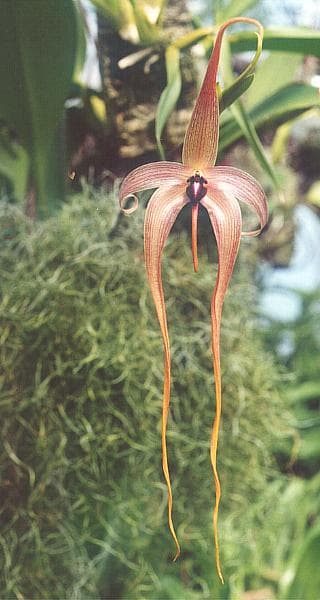
Bulbophyllum
Bulbophyllum is a large genus of orchids primarily found in warmer regions of the world, known for their diverse habitats and unique floral mechanisms. Characterized by creeping rhizomes and pseudobulbs, these orchids exhibit a wide range of flower forms and often emit strong odors to attract pollinators.
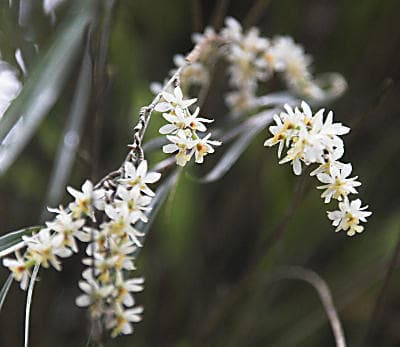
Earina
Earina is a genus of orchids belonging to the family Orchidaceae, with seven recognized species primarily found on various Pacific Ocean islands. The New Zealand species are notable for their epiphytic or lithophytic growth habit on mossy tree trunks and rocks, producing abundant, tiny flowers that can create a spectacular display.
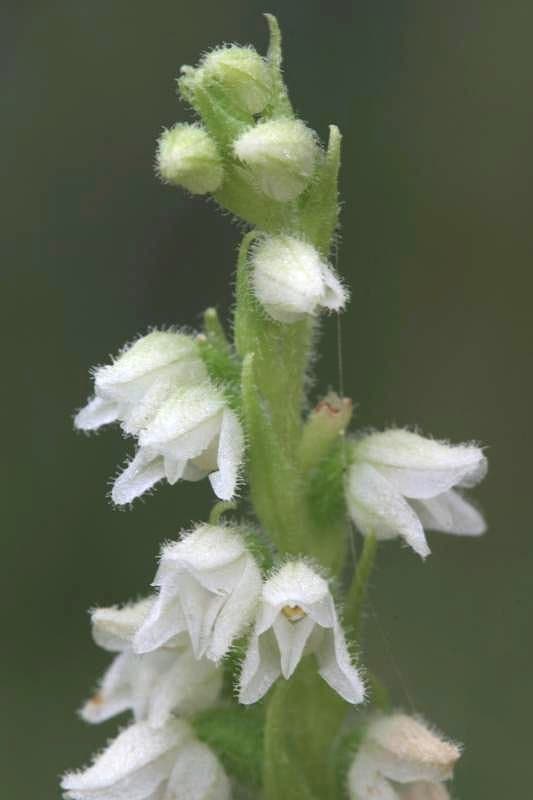
Goodyera
Goodyera, commonly known as rattlesnake plantain or jade orchids, is a widespread genus of orchids found across Europe, North and Central America, Australia, and various islands. These terrestrial orchids are distinguished by their rosette of leaves at the base, often marked with white or pale green, and typically bear numerous small, white, resupinate flowers. They are differentiated from similar genera like Spiranthes by their creeping rhizome, leaf shape and coloration, and the presence of a small pouch on the labellum.