
Isochilus
Isochilus
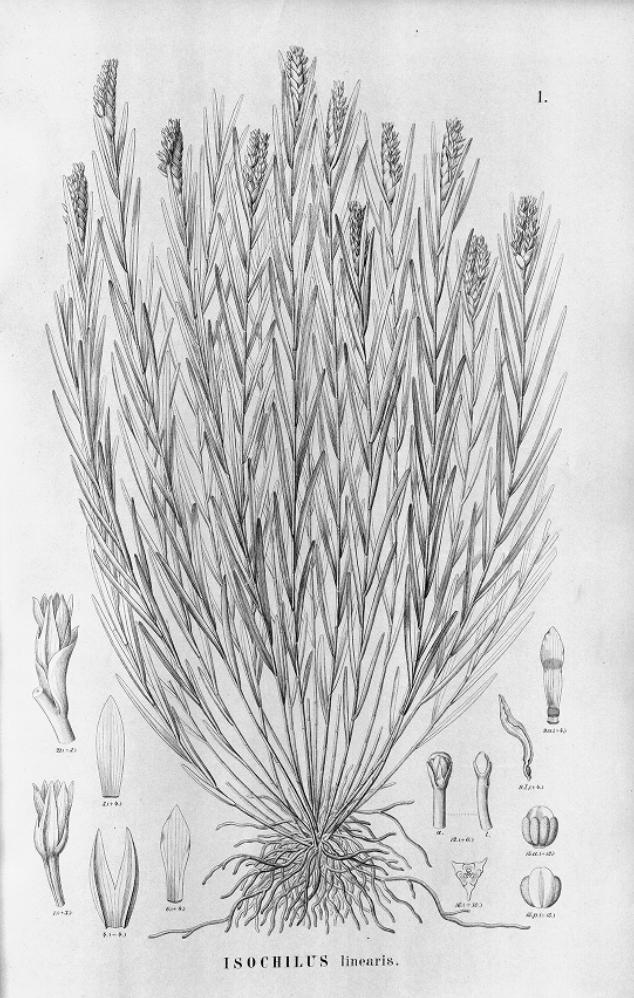
Isochilus is a genus of orchids comprising 13 recognized species, predominantly found as lowland epiphytes throughout Central America, extending from Cuba and Mexico down to Argentina. These orchids are distinguished by their slender, cane-like stems bearing narrow, distichous flat leaves, and small, sessile tubular flowers that emerge at the apex of the stem.
Key Facts
- ›Isochilus is a genus in the Orchidaceae family with 13 acknowledged species.
- ›They are typically lowland epiphytes.
- ›Their natural distribution spans Central America, from Cuba and Mexico to Argentina.
- ›Key characteristics include slender, cane-like stems and narrow, flat leaves.
- ›Flowers are small, tubular, and sessile, borne at the tip of the stem.
Epiphytic
About Isochilus
Isochilus is a genus of orchids belonging to the family Orchidaceae, which encompasses 13 recognized species. These orchids are predominantly found in lowland environments across Central America, with their natural distribution extending from Cuba and Mexico southward to Argentina.
Characteristics
The defining features of the Isochilus genus include slender, cane-like stems that are typically upright. These stems are adorned with narrow, flat leaves that are arranged in two distinct ranks (distichous). The flowers of Isochilus are small, tubular, and sessile, meaning they lack a stalk and are borne directly at the tip of the stem. The genus is characterized by its epiphytic growth habit, indicating that these orchids naturally grow on other plants, such as trees, rather than in soil.
Distribution and Habitat
The geographical range of Isochilus species covers a significant portion of Central America. They thrive in lowland habitats, which often implies humid and warm conditions suitable for epiphytic growth. While the text lists numerous species and their synonyms, the generalized characteristics and distribution apply to the genus as a whole.
Source: Wikipedia ↗
Frequently Asked Questions
What are the main characteristics of Isochilus orchids?
Isochilus orchids are recognized for their slender, cane-like stems that are adorned with narrow, flat leaves arranged in two ranks. The flowers are small, tubular, and sessile, emerging from the tip of these stems.
Where are Isochilus orchids naturally found?
This genus of orchids is primarily found in lowland areas across Central America. Their native range extends from Cuba and Mexico southward to Argentina.
How many species are recognized within the Isochilus genus?
There are 13 species officially recognized within the Isochilus genus. The text lists numerous scientific names, some of which are synonyms for recognized species.
What type of environment do Isochilus orchids grow in?
Isochilus orchids are typically lowland epiphytes. This means they naturally grow on other plants, such as trees, in humid, low-lying regions.
Related Orchid species

Barbosella
Barbosella is a genus of creeping orchids comprising about 20 species, primarily found across the West Indies and Latin America, from Mexico down to Argentina. These orchids are distinguished by their solitary flowers, which feature a unique lip base that functions like a ball and socket joint. The genus was named in honor of João Barbosa Rodrigues, a notable investigator of Brazilian orchids.
Lankesterella
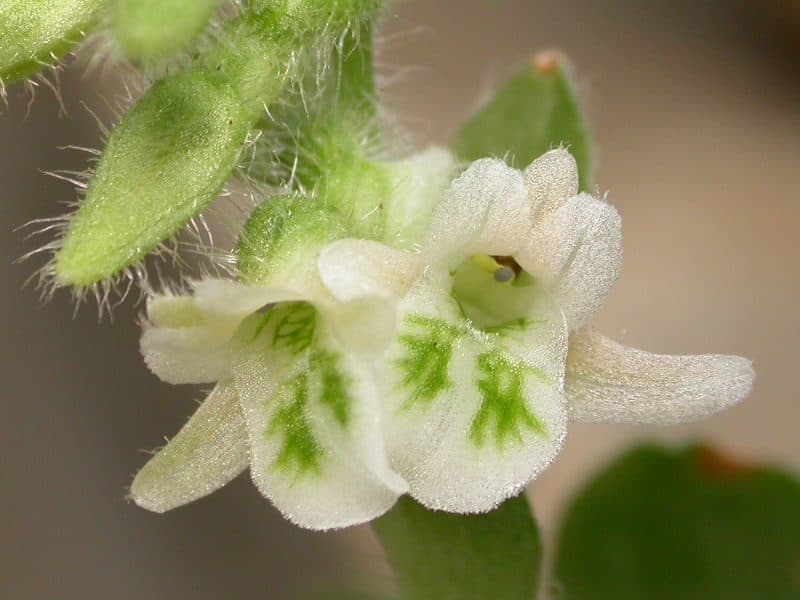
Lankesterella is a genus of flowering plants belonging to the orchid family, Orchidaceae. Primarily found in South America, several species extend their range northward into the Caribbean and Central America. The genus is distinguished by its diverse geographical distribution and numerous recognized species.

Domingoa
Domingoa is a genus of orchids comprising four recognized species, native to Mexico, Central America, Cuba, Hispaniola, and Mona in the Greater Antilles. Established by Rudolf Schlechter in 1913, the genus name is a reference to Santo Domingo, an older name for the island of Hispaniola. The genus is abbreviated as Dga. in cultivation.