
Androglossini
Psittacidae
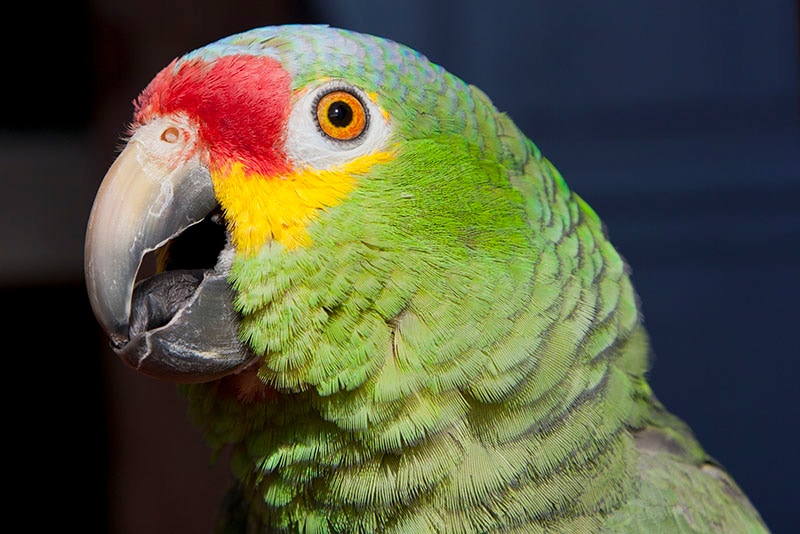
Androglossini is a tribe of birds within the family Psittacidae, native to the Neotropical region. They are one of two tribes comprising the subfamily Arinae, distinguished from the other tribe, Arini.
Key Facts
- ›Belongs to the family Psittacidae.
- ›Inhabits the Neotropical region.
- ›Forms one of two tribes within the subfamily Arinae.
- ›The other tribe in subfamily Arinae is Arini.
Neotropical Region
Neotropical Ecosystems
About Androglossini
Androglossini is a distinct tribe of birds classified within the family Psittacidae, commonly known as true parrots. These birds are exclusively found inhabiting the Neotropical region, which comprises the tropical and subtropical areas of the Americas. The Androglossini tribe holds a significant place in avian taxonomy as one of the two tribes that constitute the subfamily Arinae. The other tribe within this subfamily is known as Arini.
Taxonomy and Classification
The classification of Androglossini within the broader family Psittacidae highlights its evolutionary relationships with other parrot species. Its placement within the subfamily Arinae, alongside the tribe Arini, helps ornithologists understand the diversification and relationships among Neotropical parrots. This tribal division is a key aspect of the systematic organization of these birds.
Source: Wikipedia ↗
Frequently Asked Questions
What family do Androglossini birds belong to?
Androglossini birds are members of the family Psittacidae. This family is commonly known as the true parrots.
Where are Androglossini found geographically?
The natural habitat of Androglossini birds is the Neotropical region. This encompasses the tropical and subtropical areas of the Americas.
What is the subfamily that Androglossini belongs to?
Androglossini is part of the subfamily Arinae. This subfamily contains two distinct tribes.
What other tribe is in the subfamily Arinae with Androglossini?
Besides Androglossini, the other tribe within the subfamily Arinae is Arini. These two tribes together make up the entirety of the Arinae subfamily.