
Blue-winged macaw
The blue-winged macaw, also known as Illiger's macaw, is a small species of macaw native to central and eastern South America. It is distinguished by its predominantly green plumage with blue accents on its wings and crown, and a distinct red patch on its lower abdomen. These macaws are known for their social nature and are often kept as aviary or companion birds.
Key Facts
- ›Measures approximately 36–43 cm (14–17 in) in length.
- ›Primarily green plumage with blue on the upperside of remiges and primary coverts, tail-tip, and crown.
- ›Distinctive red on the lower abdomen and lower back, and yellowish bare facial skin.
- ›Found in evergreen and deciduous forests, preferring gallery forests.
- ›Feeds mainly on seeds, fruits, and nuts.
- ›Can live 50–60 years, with young macaws staying with parents for about a year after fledging.

Illiger's Macaw, Mini-Macaw
South America
Evergreen Forests, Deciduous Forests, Gallery Forests
- Red lower abdomen
- Red lower back
- Yellowish bare facial skin that fades to white in captivity
- Distinctive 'jerky, rearing motion' in flight
Seeds, Fruits, Nuts
Intensely Social, Can Bond Strongly With Humans, May Mirror Owner's Emotional State
About Blue-winged macaw
The blue-winged macaw, scientifically known as Primolius maracana, is a species of small macaw often referred to as Illiger's macaw in aviculture. This vibrant bird is native to the central and eastern regions of South America, inhabiting evergreen and deciduous forests, with a particular fondness for gallery forests. Its predominantly green plumage is accented by striking blue on the upper parts of its wings and crown, while a distinctive red patch adorns its lower abdomen and lower back. The bare facial skin is typically yellowish, though it often fades to white in captivity.
Diet and Habitat
In the wild, the blue-winged macaw primarily feeds on seeds from various plants, including Cnidoscolus phyllacanthus and Jatropha, as well as fruits and nuts. Their habitat extends across eastern and southern Brazil, eastern Paraguay, and historically, parts of north-eastern Argentina and eastern Bolivia. Their flight is often described as having a distinctive 'jerky, rearing motion.'
Reproduction and Lifespan
Blue-winged macaws reach sexual maturity between two and four years of age. Females typically lay two eggs, which hatch after approximately 29 days. Young macaws learn to fly around 11 weeks after hatching and remain with their parents for about a year. The breeding season in north-eastern Brazil is observed to be from December to February. These birds are known for their longevity, with a typical lifespan of 50–60 years.
Conservation and Aviculture
Deforestation poses the most significant threat to the blue-winged macaw. Historically, they were also captured for the cagebird trade, and in some agricultural areas, they were considered pests. These pressures led to a 'vulnerable' classification in the past. However, recent information suggests the species remains widespread and has even recolonized parts of its historical range, resulting in its downlisting to 'near threatened.' The blue-winged macaw is sometimes kept as an aviary bird or companion parrot, valued for its social nature and strong bonds with humans. Captive breeding is encouraged due to conservation concerns, and they require ample space and mental stimulation.
Source: Wikipedia ↗
Frequently Asked Questions
What is the scientific name for the blue-winged macaw?
The scientific name for the blue-winged macaw is Primolius maracana. It was formerly placed in the genera Ara or Propyrrhura.
Where are blue-winged macaws found in the wild?
Blue-winged macaws are found in eastern and southern Brazil, eastern Paraguay, and historically in far north-eastern Argentina and east of Bolivia. They inhabit evergreen and deciduous forests, showing a preference for gallery forests.
What do blue-winged macaws eat?
Their diet mainly consists of seeds, particularly from species like Cnidoscolus phyllacanthus and Jatropha, as well as fruits and nuts. They also consume seeds from Guazuma ulmifolia and the non-native Melia azedarach.
How long do blue-winged macaws live?
Blue-winged macaws have a significant lifespan, known to reach ages of 50–60 years. In the wild, young macaws stay with their parents for about a year after they learn to fly.
What are the main threats to blue-winged macaws?
The primary threat to blue-winged macaws is deforestation. They have also been historically captured for the cagebird trade, and in some areas, farmers have considered them pests, leading to population declines.
Are blue-winged macaws good pets?
Blue-winged macaws are sometimes kept as aviary birds or companion parrots. They are intensely social and strong fliers, requiring ample space and interaction. They can bond strongly with humans and require plenty of chewable objects.
Related Parrot species
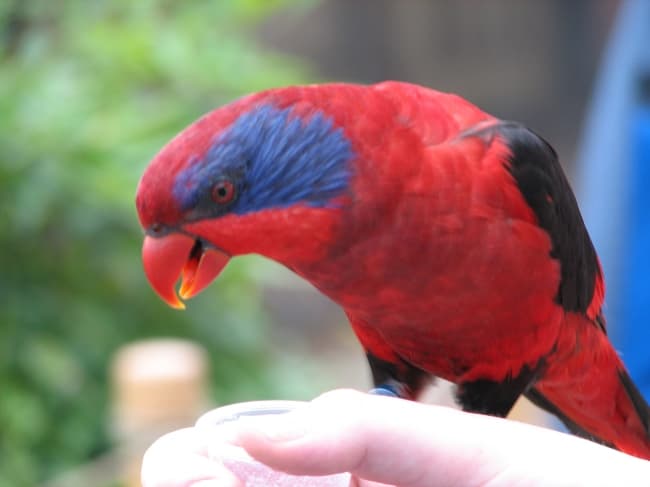
Black-winged lory
The black-winged lory, scientifically known as Trichoglossus cyanogenius, is a medium-sized parrot native to the islands of Biak, Numfoor, and Mios Num in Indonesia's Cenderawasih Bay. It is distinguished by its vibrant red plumage, contrasting black shoulders, and a striking violet ear-patch.

Blue-headed parrot
The blue-headed parrot is a medium-sized parrot native to tropical and subtropical regions of South America and southern Central America. Its most striking feature is its vibrant blue head and neck, contrasting with its predominantly green body and red undertail coverts. These parrots are known for their noisy, high-pitched calls and are popular as pets due to their affectionate nature, though they are not renowned for their talking ability.
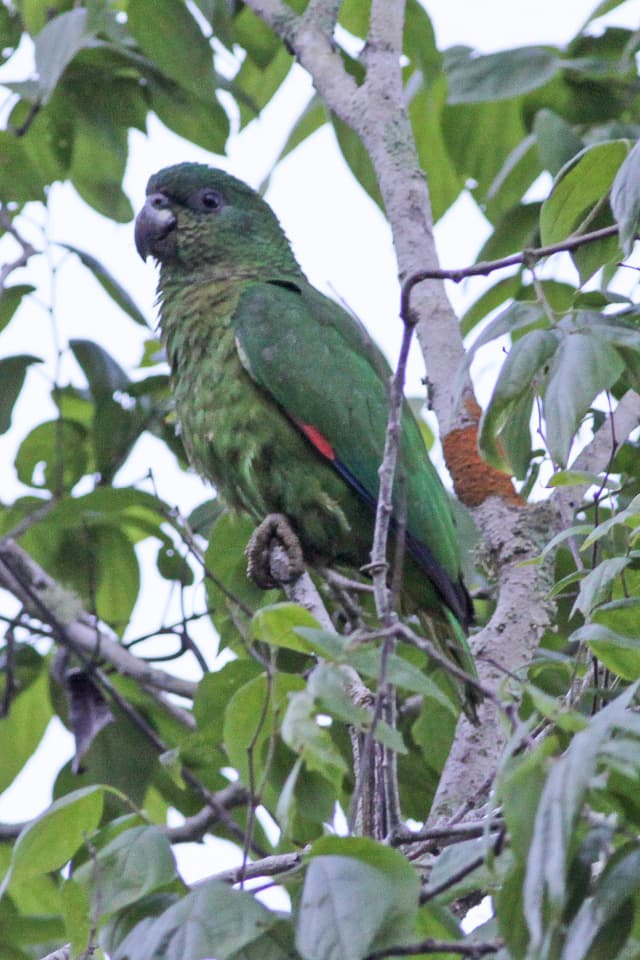
Black-billed amazon
The black-billed amazon is a small parrot endemic to Jamaica, distinguished by its predominantly green plumage and a dark, almost black bill. It is the smallest member of the Amazona parrot genus and is known for its nimble nature. This species inhabits mountainous rainforests and faces threats from habitat loss and poaching.