
Calyptorhynchinae
Calyptorhynchinae refers to a genus of two species of cockatoos, primarily characterized by their predominantly black plumage. These birds are distinguished by subtle variations in size and small patches of red, grey, or yellow, particularly on their tail feathers. While once encompassing other species, current classification recognizes only two species within this genus, with others now placed in the genus Zanda.
Key Facts
- ›The genus Calyptorhynchus was described by Anselme Gaëtan Desmarest in 1826.
- ›These cockatoos are predominantly black in color.
- ›Distinguishing features include size differences and small areas of red, grey, and yellow plumage.
- ›The tail feathers often display these colored markings.
- ›Previously included species like the Yellow-tailed black cockatoo are now classified in the genus Zanda.
- ›Studies suggest the gang-gang cockatoo and cockatiel may be close relatives, though this is debated.
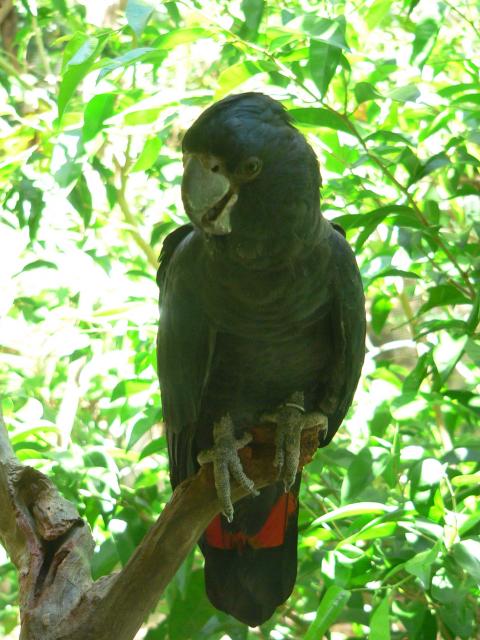
Black Cockatoos
Australia
Forests, Woodlands, Heathlands
Predominantly Black Plumage, Colored Patches On Tail Feathers
Seeds, Nuts, Insects, Grubs
Tree Hollows
About Calyptorhynchinae
The genus Calyptorhynchus, described in 1826 by French naturalist Anselme Gaëtan Desmarest, encompasses two species of Australian cockatoos recognized for their predominantly black plumage. These birds are distinguished from one another and from related species by variations in size and the presence of small, distinctive patches of red, grey, or yellow coloration, most notably found on their tail feathers.
Taxonomy and Relationships
Historically, the genus Calyptorhynchus included a broader range of species, such as the Yellow-tailed black cockatoo, Baudin's black cockatoo, and Carnaby's black cockatoo. However, genetic studies have led to the reclassification of these species into the separate genus Zanda, based on significant genetic divergence. Research into their evolutionary relationships has explored potential kinship with species like the gang-gang cockatoo and the cockatiel, with some studies suggesting a close connection based on mitochondrial DNA, while others propose different phylogenetic arrangements.
Physical Characteristics
Calyptorhynchinae cockatoos are characterized by their dark, primarily black plumage. The subtle color variations, particularly the red, grey, and yellow markings on the tail, serve as key identifiers between the species within the genus. Size also plays a role in differentiating these birds.
Habitat and Diet
These cockatoos are native to Australia and inhabit various environments including forests, woodlands, and heathlands. Their diet typically consists of seeds, nuts, and insects, often foraged from the ground or from trees. They commonly nest in tree hollows.
Source: Wikipedia ↗
Frequently Asked Questions
What are the main distinguishing features of Calyptorhynchinae cockatoos?
The primary distinguishing features of Calyptorhynchinae cockatoos are their predominantly black plumage and variations in size. Subtle differences in small areas of red, grey, and yellow plumage, especially on the tail feathers, also help differentiate the species.
How many species are currently recognized within the genus Calyptorhynchus?
Currently, the genus Calyptorhynchus contains two species of cockatoos. Other species previously classified within this genus, such as the Yellow-tailed black cockatoo, have been transferred to the genus Zanda.
What colors are found in Calyptorhynchinae plumage?
Calyptorhynchinae cockatoos are mostly black in color. They also possess small areas of red, grey, and yellow plumage, which are particularly noticeable on their tail feathers.
Are there any close relatives to the Calyptorhynchus genus?
Studies based on mitochondrial DNA have suggested that the gang-gang cockatoo and the cockatiel might be the closest living relatives to Calyptorhynchus. However, subsequent genetic studies have led to different conclusions regarding their exact phylogenetic relationships.
Related Parrot species
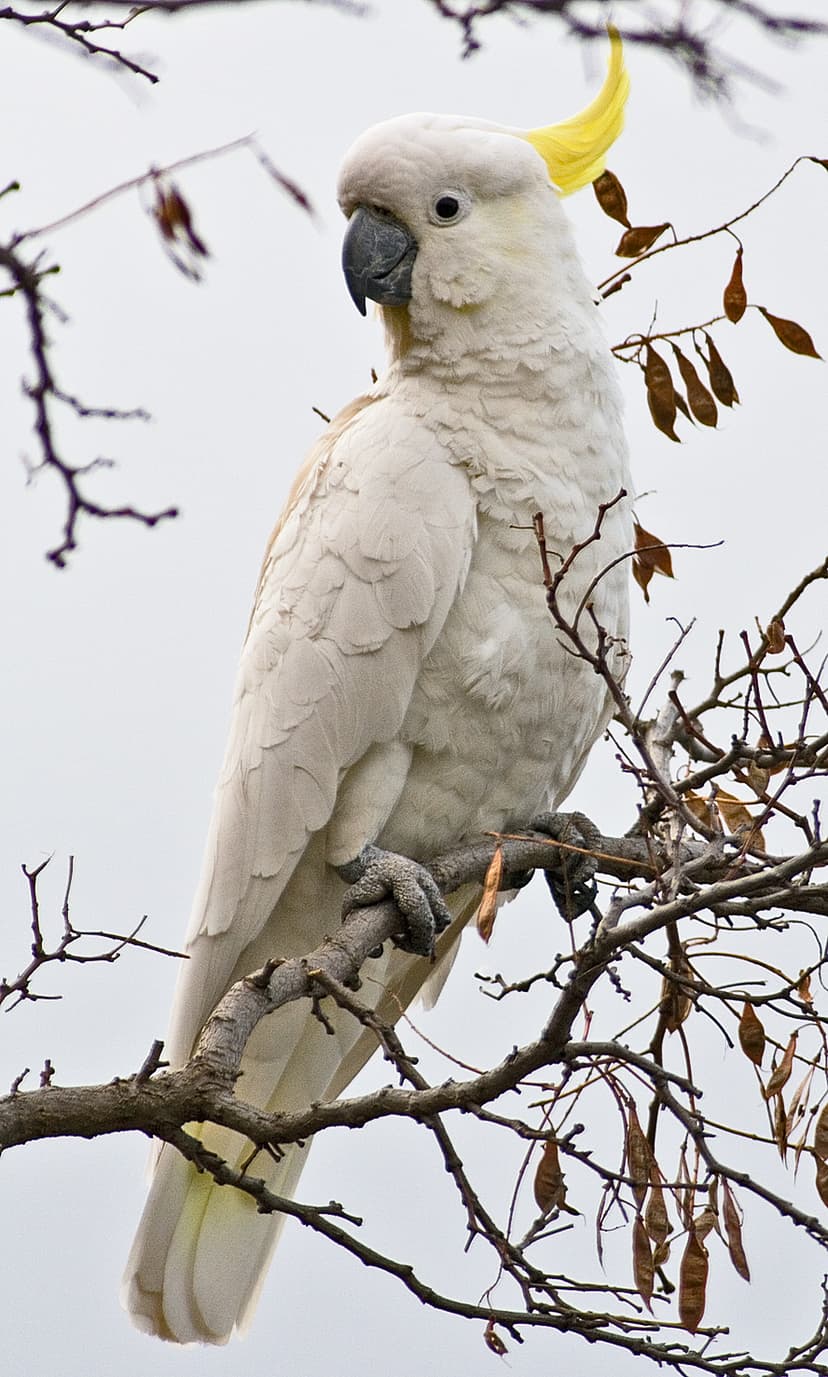
Cacatuidae
Cacatuidae, commonly known as cockatoos, are a family of parrots native to Australasia, characterized by their distinctive erectile crests and curved bills. While generally less colorful than other parrots, often displaying white, grey, or black plumage with colorful accents, they are typically larger and possess a striking appearance. Cockatoos are known for their social nature, monogamous breeding habits, and preference for nesting in tree hollows, feeding on a diet of seeds, tubers, fruits, and insects.

Budgerigar
The budgerigar, also known as the common parakeet or budgie, is a small, seed-eating parrot native to Australia. Naturally green and yellow with black markings, captive breeding has produced a wide array of colors. These nomadic, social birds are highly popular pets worldwide due to their small size, affordability, and remarkable ability to mimic human speech.

Pesquet's parrot
Pesquet's parrot is a large, distinctive parrot native to the hill and montane rainforests of New Guinea. It is characterized by its black plumage with striking red markings on its belly and wings, and a unique bare, black facial skin giving it a vulture-like appearance. Primarily feeding on figs and other fruits, this species is known for its specialized diet and is currently listed as Vulnerable due to overhunting and habitat loss.