
Cardinal lory
Chalcopsitta cardinalis·Psittaculidae·31
The cardinal lory (Chalcopsitta cardinalis) is a species of parrot distinguished by its entirely red plumage and orange beak with black at the base. It inhabits mangrove and lowland forests primarily in the Solomon Islands and surrounding archipelagos. This species exhibits no external sexual dimorphism, with males and females appearing identical.
Key Facts
- ›Entirely red plumage is a defining characteristic.
- ›Found in mangrove and lowland forests.
- ›Native to the Solomon Islands, Bougainville Island, and eastern Bismarck Archipelago.
- ›Males and females are visually identical.
- ›Prefers fruit-bearing trees, especially those with red blossoms.
- ›Beak is orange with black at the base.

Solomon Islands, Bougainville Island, Bismarck Archipelago
Mangrove Forests, Lowland Forests
Entirely Red Plumage, Orange Beak With Black Base, Black Bare Skin Around Beak and Eyes, Orange-Red Irises
Fruits, Nectar
About Cardinal lory
Cardinal Lory (Chalcopsitta cardinalis)
The cardinal lory is a striking parrot species recognized by its vivid, entirely red plumage. This species, scientifically known as Chalcopsitta cardinalis, belongs to the Psittaculidae family. It is primarily found in the mangrove and lowland forest ecosystems of the Solomon Islands, Bougainville Island, and the easternmost reaches of the Bismarck Archipelago.
Description and Appearance
Measuring approximately 31 cm (12 inches) in length, the cardinal lory is notable for its uniform scarlet coloration. Its beak is a contrasting orange, featuring black at its base, and the bare skin surrounding the beak and eyes is black. The irises of the adult birds are orange-red, and their legs are grey. A key characteristic of this species is the absence of external sexual dimorphism; males and females appear identical. Juvenile cardinal lories can be distinguished by their duller orange beaks with more prominent black areas, pale grey eye-rings, and yellow irises.
Habitat and Diet
The cardinal lory thrives in coastal and lowland forest environments. It shows a distinct preference for Syzygium species and other trees that bear fruit, particularly those with red blossoms, suggesting these are important food sources. While specific dietary details are not extensively documented, their habitat and preferences point to a diet rich in fruits and potentially nectar or pollen from flowering trees.
Aviculture and Conservation
Historically, the cardinal lory has been exported for aviculture. In 1989, the Solomon Islands allowed a limited number of these parrots to be exported to the United States. However, following the enactment of the Wild Bird Conservation Act in 1992, such exportations were largely banned, with exceptions made only for approved breeding programs. Information regarding the species' current conservation status and wild population numbers is not provided in available records.
Behavior and Social Structure
Details regarding the social behavior and vocalizations of the cardinal lory in the wild are not extensively documented. Its preference for fruit-bearing trees suggests a foraging behavior that may involve moving between food sources. The species' appearance in aviculture indicates a capacity for adaptation to captive environments, though specific temperament traits are not detailed.
Source: Wikipedia ↗
Frequently Asked Questions
What are the main colors of the cardinal lory's plumage?
The cardinal lory is characterized by entirely red plumage. This vibrant red covers its entire body.
Where does the cardinal lory naturally live?
The cardinal lory is primarily found in the Solomon Islands, Bougainville Island, and the easternmost islands of the Bismarck Archipelago. Its preferred habitats are mangrove and lowland forests.
Are male and female cardinal lories different in appearance?
No, male and female cardinal lories are identical in their external appearance. There is no visible sexual dimorphism in this species.
What do cardinal lories eat?
Cardinal lories show a preference for Syzygium species and other fruit-bearing trees. They are particularly drawn to trees that have red blossoms.
What is distinctive about a cardinal lory's beak and eyes?
The cardinal lory's beak is orange with black at its base. The bare skin around the base of the beak and eyes is black, and their irises are orange-red.
Related Parrot species

Alexandrine parakeet
The Alexandrine parakeet is a large, predominantly green parrot native to South and Southeast Asia, distinguished by its prominent red shoulder patch and massive red beak with yellow tips. Named in honor of Alexander the Great, who introduced these birds to Europe, they are known for their intelligence, vocal abilities, and long lifespan, making them popular in aviculture. Despite their established presence in some areas, they face conservation challenges due to habitat loss and illegal trade.
Arinae
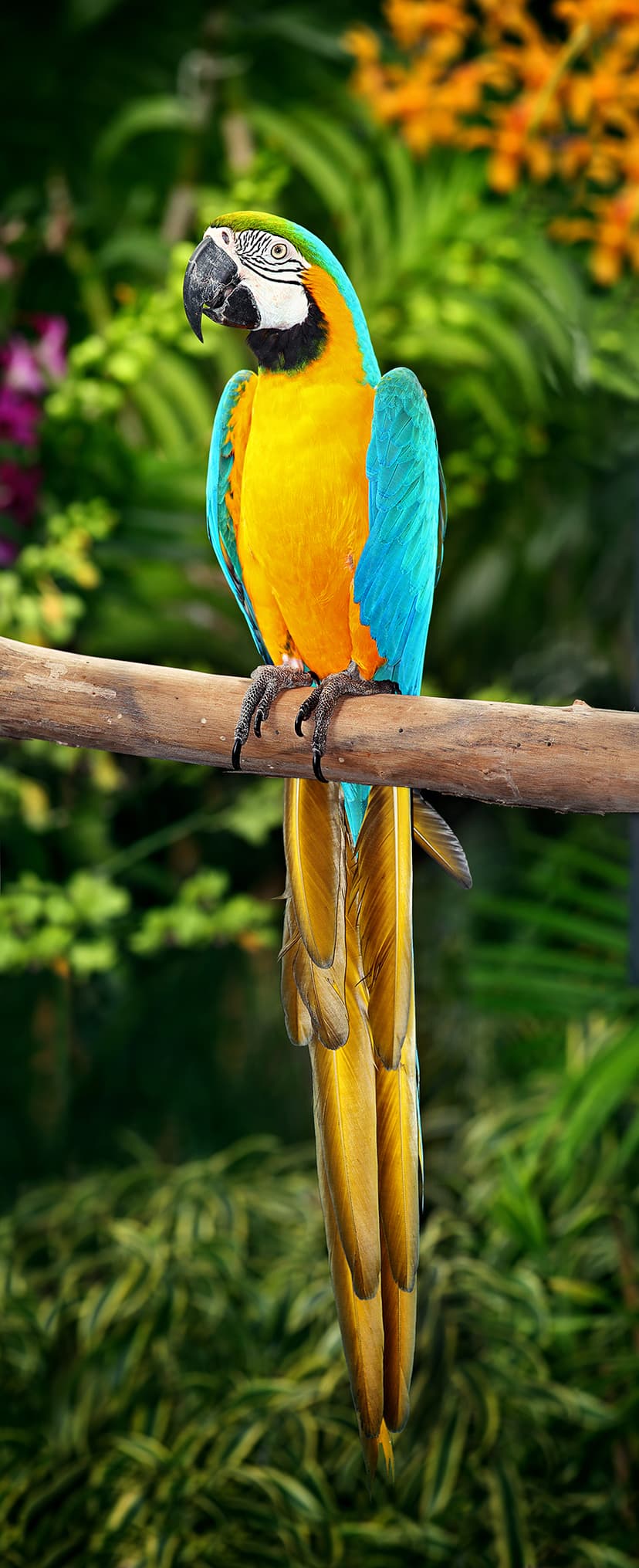
The Arinae, commonly known as neotropical parrots or New World parrots, encompass approximately 150 species found across South and Central America, Mexico, the Caribbean, and the southern United States. These parrots are distinguished by their diverse forms, including iconic macaws, conures, and amazons, and have a long history of interaction with Europeans since their discovery in the late 15th century.

Australian king parrot
The Australian king parrot is a striking parrot species native to the humid, forested eastern regions of Australia. It is distinguished by the vibrant red plumage of the adult male, contrasting with the predominantly green female. These parrots are known for their relatively quiet nature and devotion to their human companions when kept as pets.