
Little corella
Cacatua sanguinea·Cacatuidae·35–41·370–630
The little corella is a small, predominantly white cockatoo native to Australia and southern New Guinea. Easily distinguished by its similar-length upper and lower mandibles and lack of an orange throat bar, it inhabits savannas, shrublands, grasslands, and urban areas. These highly social birds are known for congregating in large flocks and can be considered agricultural pests due to their feeding habits.
Key Facts
- ›Native to Australia and southern New Guinea.
- ›Small white cockatoo, measuring 35–41 cm in length.
- ›Inhabits savannas, shrublands, grasslands, and urban environments.
- ›Forms large flocks, often numbering in the thousands.
- ›Feeds on seeds, grasses, and cultivated crops, sometimes causing agricultural damage.
- ›Known for its noisy, high-pitched calls and screeches.

Short-Billed Corella, Bare-Eyed Cockatoo, Blood-Stained Cockatoo, Little Cockatoo, Birdirra
Australia, New Guinea
Savanna, Shrubs, Grasslands, Urban Settings
Upper and Lower Mandibles of Similar Length, Lack of An Orange Throat Bar
Seeds, Lawn Grasses, Cereal Crops
High Pitched Notes, Screeches, Deafening Screeching Sound From Large Flocks
Tree Hollow, Cliff Cavity, Termite Mound
About Little corella
The little corella, scientifically known as Cacatua sanguinea, is a species of white cockatoo native to Australia and southern New Guinea. This bird is recognizable by its predominantly white plumage and a distinctive feature of having upper and lower mandibles of similar length, setting it apart from some related species. It is also known by several other common names, including the short-billed corella, bare-eyed cockatoo, and blood-stained cockatoo.
Distribution and Habitat
Little corellas are widespread across mainland Australia, inhabiting a broad arc from eastern South Australia through Victoria, New South Wales, Queensland, and the Northern Territory, extending to coastal Western Australia. They are also found in southern New Guinea and have been introduced to Tasmania. Their preferred habitats include savannas, shrublands, and grasslands, as well as urban environments. They are adaptable and can be found from the arid deserts of central Australia to the eastern coastal plains, though they tend to avoid thick forests. In urban areas, they are known to frequent parks, gardens, and playing fields.
Description and Behavior
This small cockatoo typically measures between 35 to 41 cm in length and weighs between 370 to 630 grams, with females generally being slightly smaller than males. They are often seen congregating in large flocks, which can number in the thousands and may include other cockatoo species and parrots. These flocks typically roost in trees overnight and fly out to feed in the early morning and late evening, sometimes traveling considerable distances for food and water. The species is known for its noisy vocalizations, characterized by high-pitched notes and screeches that can be deafening when large numbers call simultaneously.
Diet and Breeding
Little corellas primarily feed on the ground, consuming a variety of seeds, both from wild plants and cultivated crops such as wheat, barley, and maize. Their feeding habits can sometimes lead to them being considered agricultural pests. They also regularly feed on lawn grasses in urban areas. Breeding usually occurs between May and October, with nesting sites typically found in tree hollows, cliff cavities, or termite mounds. The nesting season tends to begin earlier in the northern parts of their range.
Relationship with Humans
Historically, indigenous peoples such as the Yindjibarndi kept little corellas as pets and also cooked and ate them, using their downy feathers in traditional ceremonies. In some regions of Australia, they are considered unprotected native fauna and may be subject to culling by landowners due to crop damage or structural damage they can cause. Permits can also be obtained for taking a limited number of these birds from the wild for avicultural purposes. The species has unfortunately also been subject to suspected poisoning incidents, highlighting the complex interactions between wildlife and human activities.
Source: Wikipedia ↗
Frequently Asked Questions
What are the different names for the little corella?
The little corella is also known by several other common names, including the short-billed corella, bare-eyed cockatoo, blood-stained cockatoo, and little cockatoo. Indigenous Yindjibarndi people of the Pilbara region knew them as Birdirra.
What is the size and appearance of a little corella?
This small white cockatoo typically measures between 35 to 41 cm in length and weighs 370 to 630 grams. It is distinguished from similar species by its mandibles of similar length and the absence of an orange throat bar.
Where can little corellas be found?
Little corellas are native to mainland Australia, spanning from South Australia to Western Australia, as well as southern New Guinea. They inhabit a range of environments from arid deserts to coastal plains and are also common in urban settings.
What do little corellas eat?
Their diet primarily consists of seeds, both wild and cultivated, and they frequently consume lawn grasses in urban areas. They are also known to feed on cereal crops such as wheat, barley, and maize.
How do little corellas behave socially?
Little corellas are highly social birds that congregate in large flocks, sometimes numbering in the thousands, and may mix with other species like galahs and sulphur-crested cockatoos. They roost in trees overnight and fly out to feed in the morning and late evening.
What are the nesting habits of the little corella?
Breeding typically occurs between May and October, with nesting usually taking place in tree hollows, cliff cavities, or termite mounds. The exact timing of breeding tends to be earlier in the northern parts of their range.
Related Parrot species

Budgerigar
The budgerigar, also known as the common parakeet or budgie, is a small, seed-eating parrot native to Australia. Naturally green and yellow with black markings, captive breeding has produced a wide array of colors. These nomadic, social birds are highly popular pets worldwide due to their small size, affordability, and remarkable ability to mimic human speech.
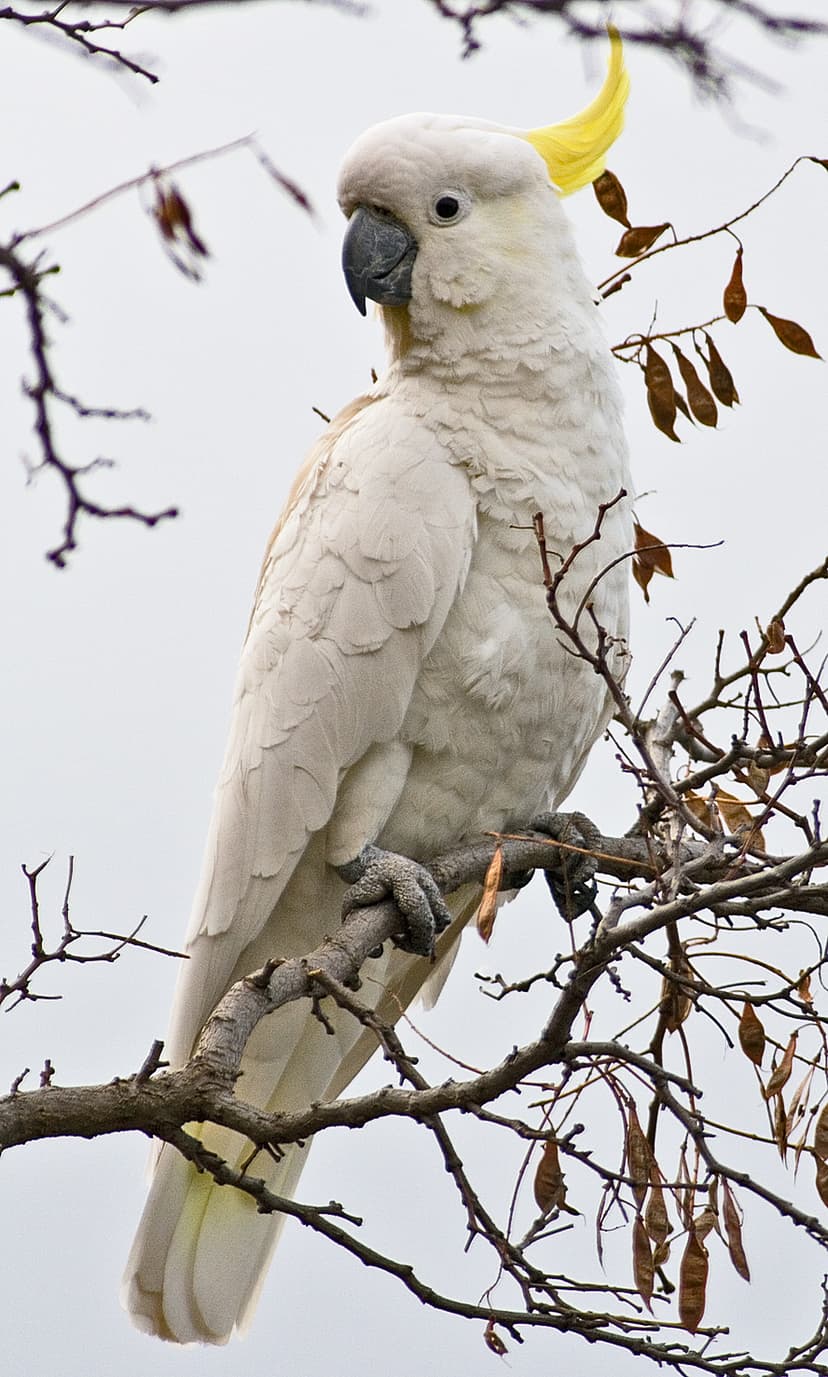
Cacatuidae
Cacatuidae, commonly known as cockatoos, are a family of parrots native to Australasia, characterized by their distinctive erectile crests and curved bills. While generally less colorful than other parrots, often displaying white, grey, or black plumage with colorful accents, they are typically larger and possess a striking appearance. Cockatoos are known for their social nature, monogamous breeding habits, and preference for nesting in tree hollows, feeding on a diet of seeds, tubers, fruits, and insects.
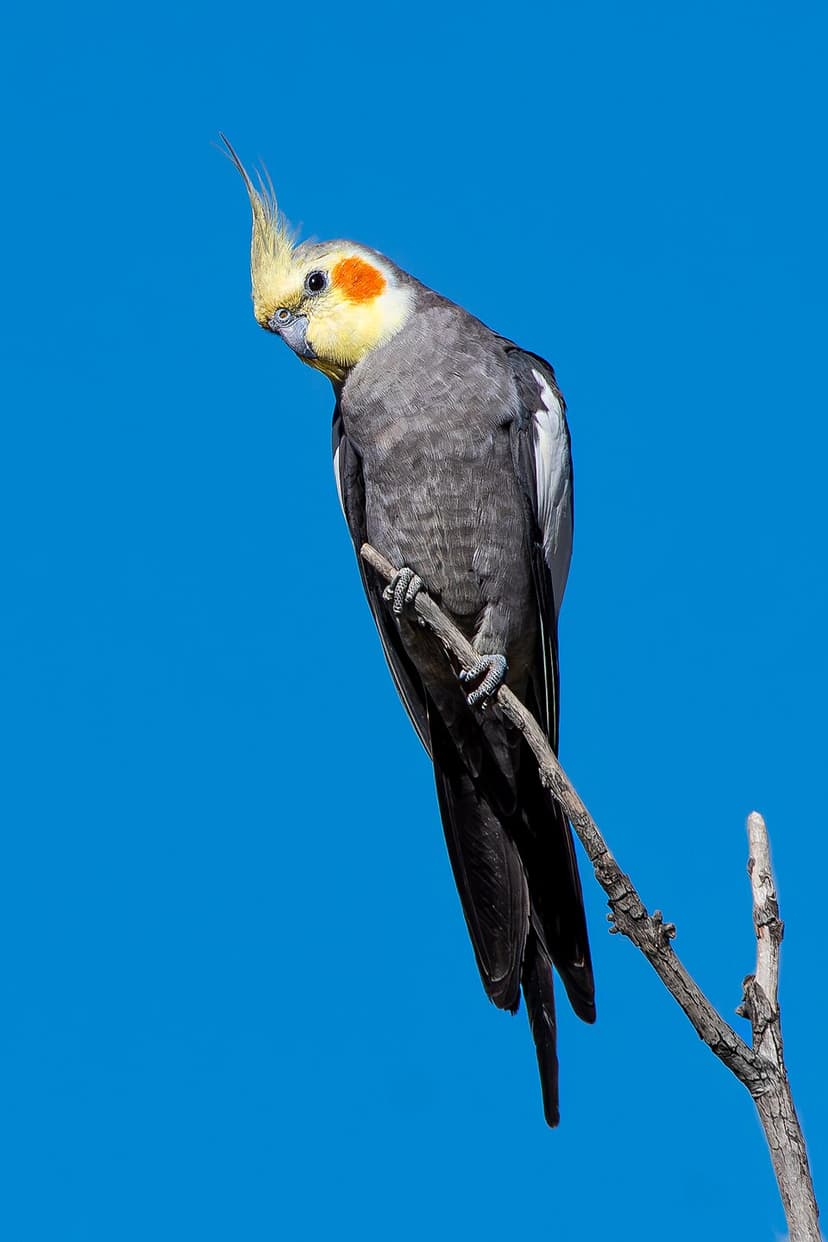
Cockatiel
The cockatiel is a small to medium-sized parrot native to Australia, and the smallest member of the cockatoo family. Recognized for its distinctive crest, long tail feathers, and sociable nature, it is one of the most popular pet birds globally, though improper care leads to high surrender rates. Its unique characteristics and ability to form strong bonds with humans have cemented its place as a beloved companion.