
Pink cockatoo
Endangered (Australia)
The pink cockatoo, also known as Major Mitchell's cockatoo, is a medium-sized Australian bird distinguished by its salmon-pink and white plumage and a prominent red and yellow crest. It inhabits arid and semiarid inland regions across Australia, preferring extensive woodlands. Unlike many other cockatoos, pink cockatoos do not nest near each other, which makes them sensitive to habitat fragmentation.
Key Facts
- ›Native to arid and semi-arid inland Australia, excluding the northeast.
- ›Recognizable by its soft white and salmon-pink plumage and a large, bright red and yellow crest.
- ›Males are typically larger than females, and mature females develop a red eye.
- ›Requires extensive woodlands for nesting and is sensitive to habitat fragmentation.
- ›Listed as endangered in Australia and threatened in Victoria.
- ›Can live for over 80 years, with the oldest recorded individual reaching 83.

Major Mitchell's Cockatoo, Leadbeater's Cockatoo, Red-Top Cockatoo, Desert Cockatoo
Australia
Arid and Semiarid Inland Areas, Extensive Woodlands, Conifers, Sheoak, Eucalypts
Large, Bright Red and Yellow Crest, Salmon-Pink and White Plumage, Red Eye In Mature Females
Seeds, Nuts, Fruits, Roots, Insects
Generally found in pairs or small groups, Can interbreed with Galahs
Plaintive Yodeling Cry
- Pairs will not nest close to one another
- Cannot tolerate fragmented, partly cleared habitats
About Pink cockatoo
The pink cockatoo, scientifically known as Cacatua leadbeateri, is a medium-sized cockatoo native to the arid and semiarid inland regions of Australia, with the exception of the northeastern territories. This striking bird is also recognized by common names such as Major Mitchell's cockatoo and Leadbeater's cockatoo, the latter honoring the London naturalist Benjamin Leadbeater.
Description and Distinctiveness
What sets the pink cockatoo apart is its soft-textured plumage, which is a unique combination of white and salmon-pink. Complementing this is a large, prominent crest that displays vivid bright red and yellow colors. While males and females are largely similar, males are typically larger. Mature females can be distinguished by the development of a red eye, a feature not present in males. The species shares a common ancestry with the galah, and like the galah, it retains the ability to deposit diluted pigment dyes in its body plumage, contributing to its lighter overall appearance compared to the galah.
Distribution and Habitat
The pink cockatoo's natural habitat consists of extensive woodlands, with a particular preference for areas dominated by conifers (Callitris spp.), sheoak (Allocasuarina spp.), and eucalypts. Unlike many other parrot species that can adapt to human-altered landscapes, pink cockatoos require large, unbroken tracts of woodland. This reliance on specific habitats makes them vulnerable to fragmentation, and their range has been observed to be contracting as a result of man-made changes to the Australian interior.
Behavior and Reproduction
Pink cockatoos are typically observed in pairs or small social groups. They forage both on the ground and within trees. A notable behavioral trait is their aversion to nesting in close proximity to other pairs, a characteristic that contributes to their sensitivity to habitat fragmentation. The species reaches sexual maturity between 3 and 4 years of age. Pink cockatoos are known for their longevity, with the oldest recorded individual living to an impressive 83 years.
Conservation Status
Due to habitat loss and fragmentation, the pink cockatoo faces significant conservation challenges. In Australia, it is listed as endangered under the Environment Protection and Biodiversity Conservation Act 1999. In the state of Victoria, it is recognized as a threatened species under the Flora and Fauna Guarantee Act (1988) and was listed as vulnerable on the advisory list of threatened vertebrate fauna in 2013. The species has also been known to interbreed with galahs where their ranges overlap, occasionally producing hybrid offspring.
Naming History
The common name 'Major Mitchell's cockatoo' originated from Major Thomas Mitchell, who described the species in glowing terms during his expeditions. However, in 2023, BirdLife Australia officially reinstated the name 'pink cockatoo' to promote cultural inclusivity, acknowledging past historical contexts. Historically, the bird has also been known by various indigenous names across different regions of Australia, reflecting its long-standing presence on the continent.
Source: Wikipedia ↗
Frequently Asked Questions
What are the different names for the pink cockatoo?
The pink cockatoo is also commonly known as Major Mitchell's cockatoo or Leadbeater's cockatoo. Historically, it has been referred to by indigenous names such as Jak-kul-yak-kul, Kakalyalya, and Kukkalulla, as well as names like desert cockatoo and red-top cockatoo.
What is the scientific name for the pink cockatoo?
The scientific name for the pink cockatoo is Cacatua leadbeateri. It was formerly classified in the genus Lophochroa but was reclassified into the genus Cacatua in 2023.
Where does the pink cockatoo live?
The pink cockatoo is found in the arid and semiarid inland areas of Australia, with the exception of the northeastern part of the continent. They specifically favor extensive woodlands, particularly those with conifers, sheoak, and eucalypts.
What does the pink cockatoo look like?
This medium-sized cockatoo displays soft-textured white and salmon-pink plumage. Its most striking feature is a large, vibrant crest that is bright red and yellow. Mature females also develop a red eye, distinguishing them slightly from males.
How long do pink cockatoos live?
Pink cockatoos have a remarkable lifespan. They reach sexual maturity around 3–4 years old and can live for a very long time, with the oldest recorded individual documented to have lived to 83 years of age.
What is the conservation status of the pink cockatoo?
The pink cockatoo is listed as endangered under Australia's Environment Protection and Biodiversity Conservation Act 1999. In Victoria, it is classified as a threatened species under the Flora and Fauna Guarantee Act and was listed as vulnerable on the 2013 advisory list of threatened vertebrate fauna.
Why was the name 'Major Mitchell's cockatoo' changed?
The official name was changed from Major Mitchell's cockatoo back to pink cockatoo in 2023. This change was made by BirdLife Australia to be more culturally inclusive, acknowledging Major Thomas Mitchell's involvement in the massacre of Aboriginal people.
Related Parrot species
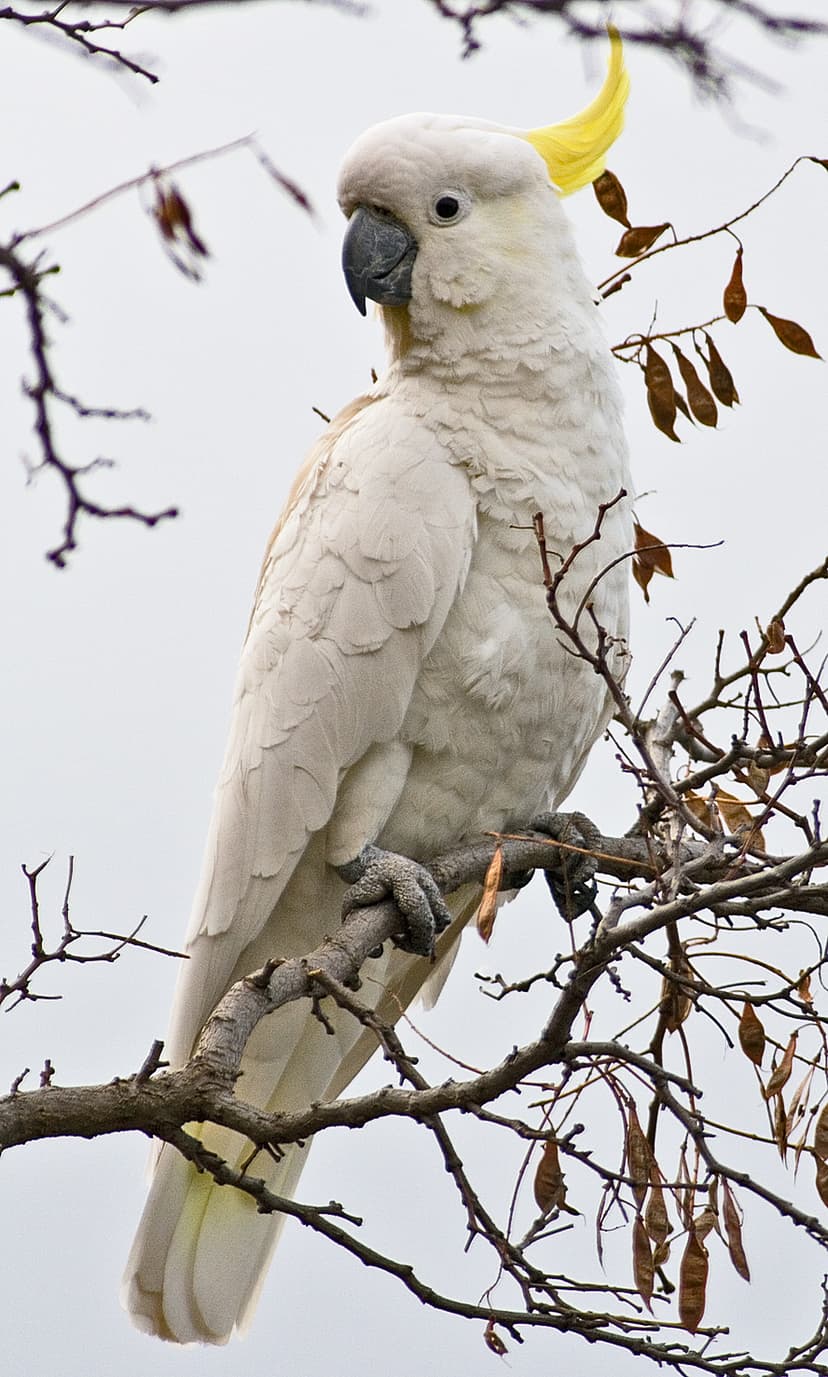
Cacatuidae
Cacatuidae, commonly known as cockatoos, are a family of parrots native to Australasia, characterized by their distinctive erectile crests and curved bills. While generally less colorful than other parrots, often displaying white, grey, or black plumage with colorful accents, they are typically larger and possess a striking appearance. Cockatoos are known for their social nature, monogamous breeding habits, and preference for nesting in tree hollows, feeding on a diet of seeds, tubers, fruits, and insects.

Budgerigar
The budgerigar, also known as the common parakeet or budgie, is a small, seed-eating parrot native to Australia. Naturally green and yellow with black markings, captive breeding has produced a wide array of colors. These nomadic, social birds are highly popular pets worldwide due to their small size, affordability, and remarkable ability to mimic human speech.
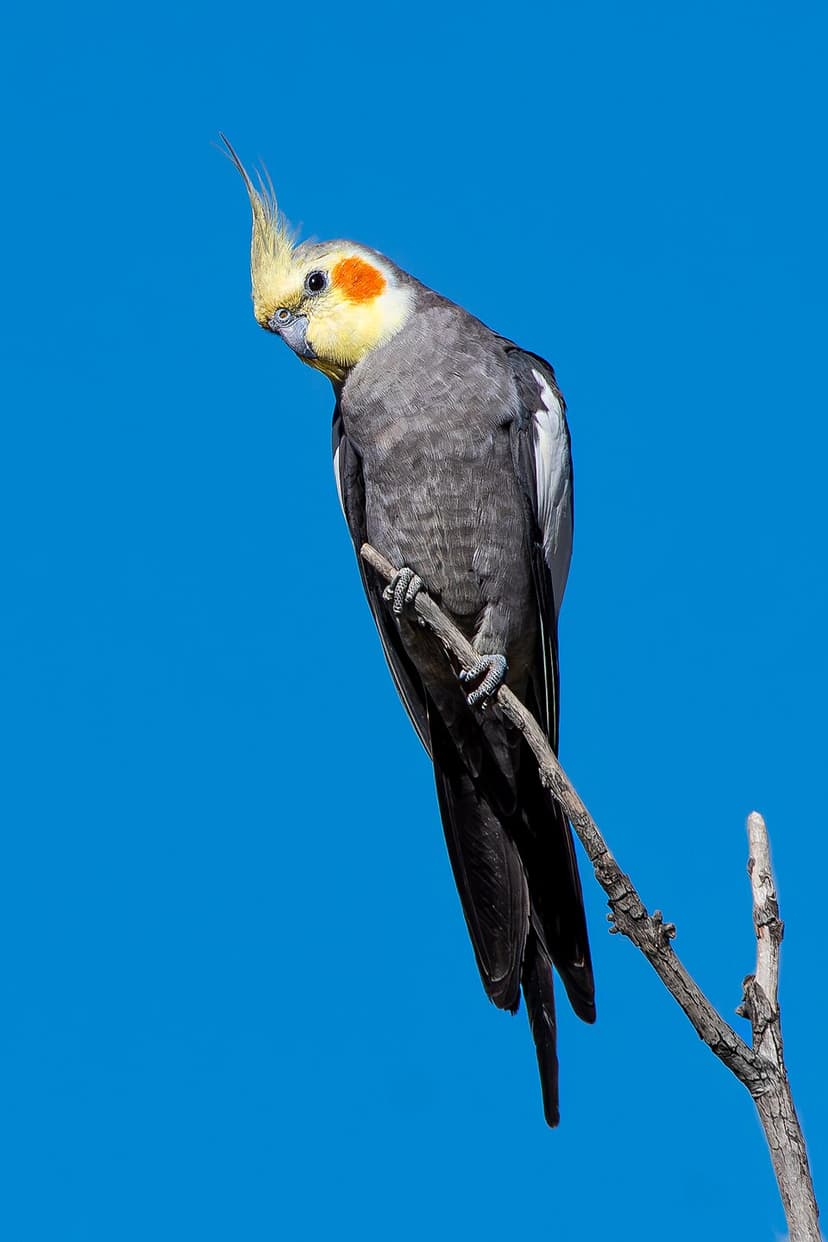
Cockatiel
The cockatiel is a small to medium-sized parrot native to Australia, and the smallest member of the cockatoo family. Recognized for its distinctive crest, long tail feathers, and sociable nature, it is one of the most popular pet birds globally, though improper care leads to high surrender rates. Its unique characteristics and ability to form strong bonds with humans have cemented its place as a beloved companion.