
Puerto Rican parakeet
The Puerto Rican parakeet (Psittacara maugei) was an extinct species of parrot historically found on Mona Island and possibly Puerto Rico. It was known for its gregarious nature and loud calls, feeding on seeds, fruits, nuts, and berries. Extensive red markings on its wings and duller green plumage distinguished it from similar species, but it ultimately succumbed to human hunting and habitat loss.
Key Facts
- ›Once considered a subspecies of the Hispaniolan parakeet, it is now recognized as a distinct extinct species.
- ›Its diet consisted primarily of seeds, fruits, nuts, berries, and potentially leaf buds and flowers.
- ›The bird nested in tree hollows, old woodpecker holes, and arboreal termite nests.
- ›It was a very social bird, known for its loud, continuous calling and caution around humans.
- ›Human hunting, particularly by pigeon hunters on Mona Island, is considered the main cause of its extinction.
- ›The last confirmed sighting was in 1882, though it was still referred to as extant in 1905 before being reported extinct in 1950.

Puerto Rican Conure
Puerto Rico, Mona Island
Forests, Agricultural Areas
- Duller green plumage compared to similar species
- Extensive red markings on the wings
Seeds, Fruits, Nuts, Berries, Leaf Buds, Flowers
Gregarious, Cautious, Unafraid of Gunshots
Loud, Continuous Calling
Hollow Trees, Old Woodpecker Holes, Arboreal Termite Nests
About Puerto Rican parakeet
What is known
The Puerto Rican parakeet (Psittacara maugei), also known as the Puerto Rican conure, was a species of parrot that is now extinct. It was historically found on Mona Island and is believed to have also inhabited Puerto Rico. The bird shared similarities with the Hispaniolan parakeet, though it was once classified as a subspecies of it. Its plumage was characterized by a duller green color compared to its relatives, with more extensive red markings on its wings.
Ecology and Behavior
This parakeet was a highly social and gregarious bird, frequently noted for its loud and continuous vocalizations. While generally cautious and prone to avoiding human contact, this wariness lessened when the birds were feeding. Their diet primarily consisted of seeds, fruits, nuts, and berries, and they may have also consumed leaf buds and flowers. Nesting sites were typically found in hollow trees, abandoned woodpecker holes, and arboreal termite nests.
Extinction
The widespread hunting by humans is considered the principal factor in the Puerto Rican parakeet's extinction. Its tendency to feed in agricultural fields, particularly on crops like maize, brought it into frequent contact with farmers and hunters. Accounts suggest the bird was notably unafraid of gunshots, making it particularly vulnerable. The large number of pigeon hunters who frequented Mona Island are specifically cited as a contributing factor. Deforestation of the island may have also played a role in its demise. The last confirmed sighting of the Puerto Rican parakeet was in 1882. Although it was still referenced as existing in 1905, it was officially reported as extinct by 1950. Three specimens of the species still exist today, housed in museums in Chicago, Leiden, and Paris.
Source: Wikipedia ↗
Frequently Asked Questions
What is the scientific name of the Puerto Rican parakeet?
The scientific name of the Puerto Rican parakeet is Psittacara maugei. It was formerly considered a subspecies of the Hispaniolan parakeet.
Where was the Puerto Rican parakeet found?
The Puerto Rican parakeet was found on Mona Island and possibly on Puerto Rico itself. All existing specimens were collected from Mona Island.
What did the Puerto Rican parakeet eat?
Its diet primarily included seeds, fruits, nuts, and berries. It may have also consumed leaf buds and flowers.
Why did the Puerto Rican parakeet go extinct?
The primary cause of extinction is believed to be hunting by humans, particularly by pigeon hunters on Mona Island. Deforestation may have also contributed to its demise.
When did the Puerto Rican parakeet go extinct?
The last bird was seen in 1882, but its exact extinction date is not precisely recorded. It was referenced as extant in 1905 but reported as extinct by 1950.
Related Parrot species
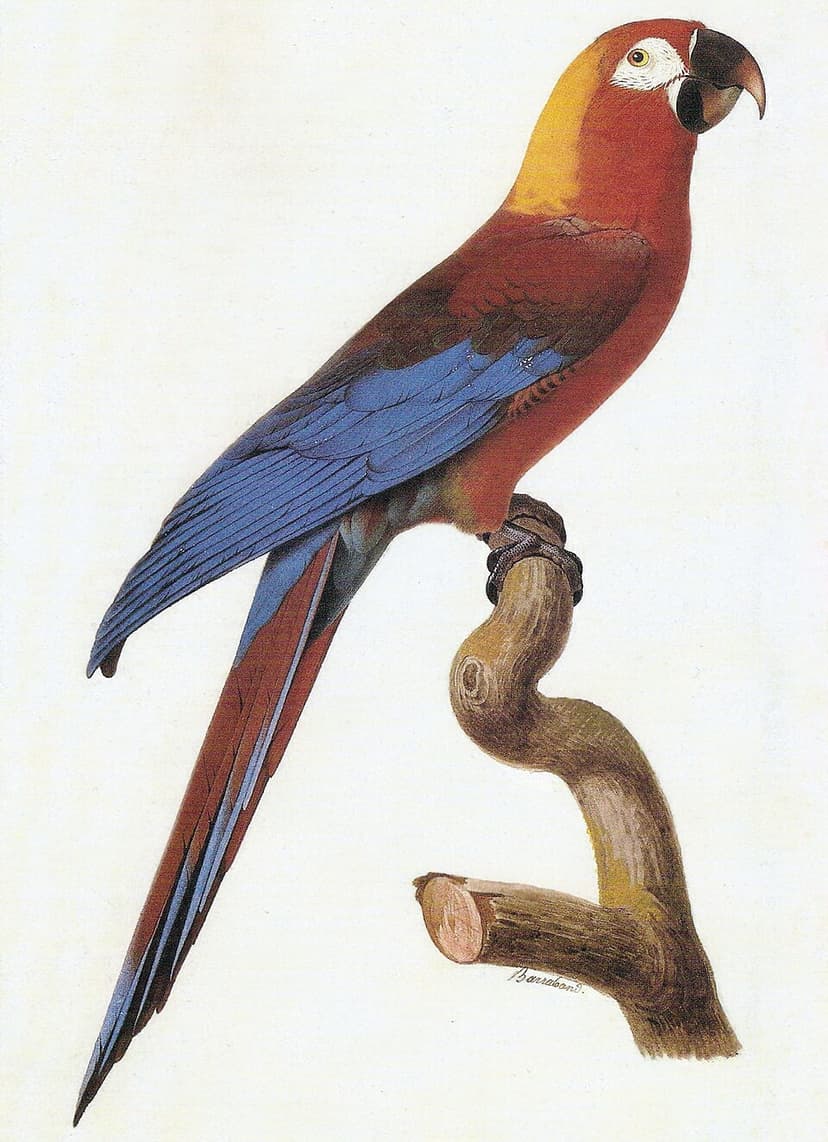
Cuban macaw
The Cuban macaw (Ara tricolor) was a species of macaw native to Cuba and Isla de la Juventud, becoming extinct in the late 19th century. It was one of the smallest macaws, characterized by a vibrant plumage of red, orange, yellow, green, brown, and blue. Its demise was attributed to hunting, habitat destruction, and possibly hurricanes, despite limited knowledge of its behavior.

Guadeloupe amazon
The Guadeloupe amazon (Amazona violacea) is a hypothetical extinct species of parrot believed to have been native to Guadeloupe in the Lesser Antilles. Described by 17th and 18th-century writers, it was characterized by violet or slate-colored head and underparts, greenish back, and wings with green, yellow, and red. Its extinction is attributed to hunting by French settlers and habitat destruction.

Newton's parakeet
Newton's parakeet, also known as the Rodrigues parakeet, was an extinct species of parrot endemic to the island of Rodrigues in the western Indian Ocean. Distinctive for its unusual greyish or slate blue plumage, a rarity in its predominantly green genus, it was also noted for its tame nature and ability to mimic speech. Its lineage is believed to be closely related to the rose-ringed parakeet, and it may have been ancestral to other Mascarene island parakeets.