
Cuban macaw
The Cuban macaw (Ara tricolor) was a species of macaw native to Cuba and Isla de la Juventud, becoming extinct in the late 19th century. It was one of the smallest macaws, characterized by a vibrant plumage of red, orange, yellow, green, brown, and blue. Its demise was attributed to hunting, habitat destruction, and possibly hurricanes, despite limited knowledge of its behavior.
Key Facts
- ›One of the smallest macaw species, measuring approximately 45-50 cm in length.
- ›Featured a striking plumage with red, orange, yellow, green, brown, and blue colors.
- ›Originally inhabited Cuba and Isla de la Juventud, likely in open terrain with scattered trees.
- ›Feeds on seeds and fruits, with a particular noted preference for palm seeds.
- ›Became extinct in the late 19th century due to human activities and environmental factors.
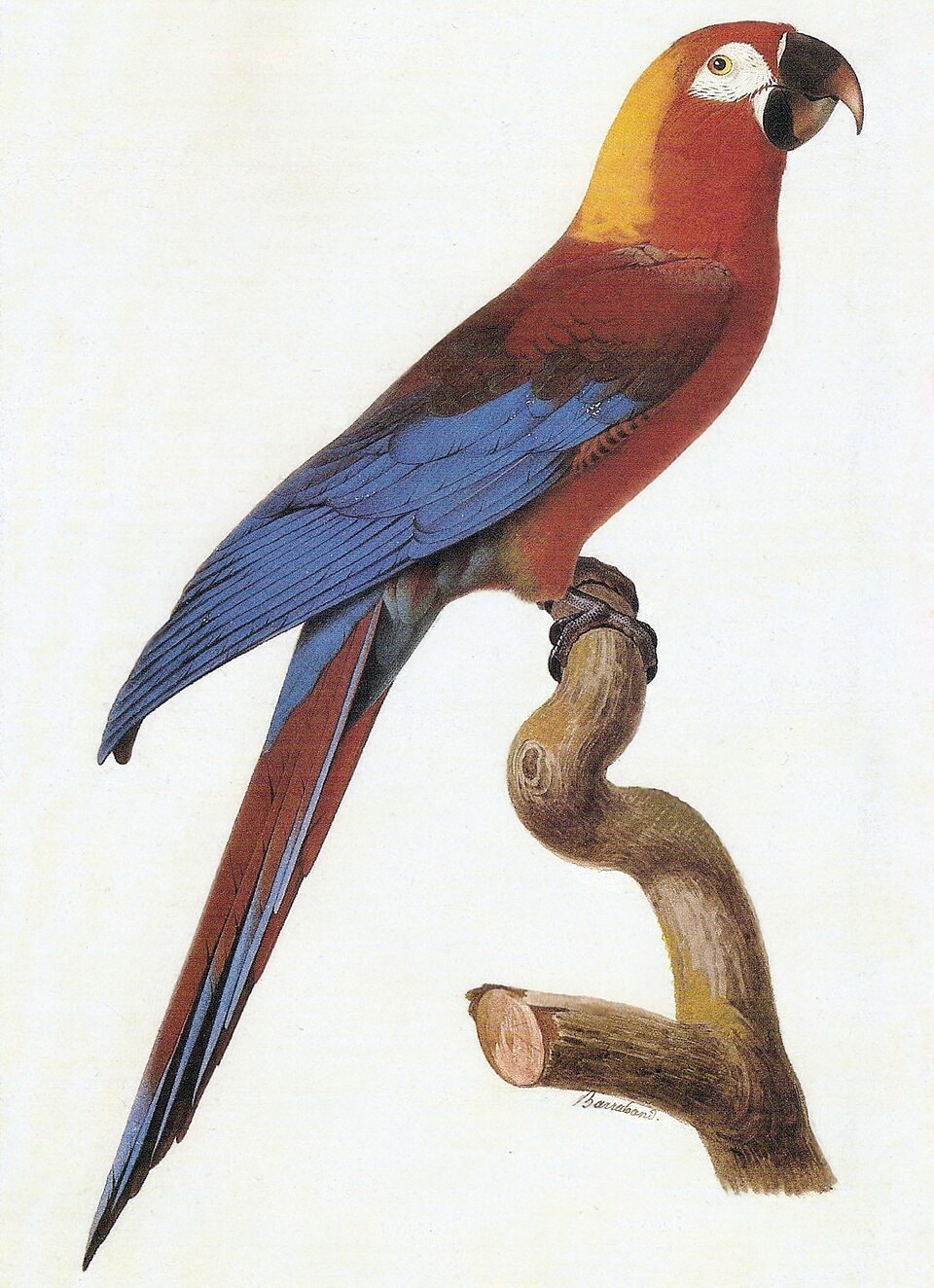
Cuban Red Macaw
Cuba, Isla De La Juventud
Open Terrain With Scattered Trees, Swamp Margins, Gallery Forest
Smaller Size Compared To Other Macaws, All-Black Beak, Lack of A Yellow Shoulder Patch
Seeds, Fruits, Palm Seeds, Chinaberry Tree Seeds and Shoots
- Vocalized loudly
- Speech imitation abilities reportedly inferior to other parrots
Nesting In Hollow Trees, Nesting In Palms
About Cuban macaw
The Cuban macaw (Ara tricolor), also known as the Cuban red macaw, was a species of parrot that inhabited the main island of Cuba and the neighboring Isla de la Juventud. This species is now extinct, with its last reliable sightings occurring in the mid-19th century, likely disappearing by the late 1800s.
Physical Description
At approximately 45–50 cm (18–20 in) in length, the Cuban macaw was one of the smaller macaws. Its plumage was a vibrant mix of colors, featuring a red forehead that faded to orange and then yellow towards the nape. The face, chin, chest, abdomen, and thighs were orange. The upper back displayed reddish-brown feathers tinged with green, while the rump and lower back were blue. Its wing feathers consisted of brown, red, and purplish-blue, and the tail was dark red, darkening to blue at the tip. Distinctive features that set it apart from the scarlet macaw included its smaller size, an all-black beak, and the absence of a yellow shoulder patch.
Habitat and Diet
The natural habitat of the Cuban macaw is believed to have been open savanna with scattered trees, particularly around areas like the Zapata Swamp. Its diet primarily consisted of seeds and fruits, with a noted preference for palm seeds, such as those from the royal palm, and potentially seeds and shoots from the chinaberry tree. The skull structure suggests it consumed hard seeds, similar to larger mainland macaws.
Behavior and Ecology
Little is definitively known about the behavior of the Cuban macaw. Reports indicate it lived in pairs or families and was known to vocalize loudly. Its ability for speech imitation was considered inferior to that of other parrots. Its nesting habits involved utilizing hollows in trees, with a specific mention of nesting in palms. The species was also associated with a unique chewing louse, Psittacobrosus bechsteini, which likely co-extinct with the macaw.
Extinction
The extinction of the Cuban macaw was a result of human activities and environmental pressures. It was hunted by both indigenous peoples and European colonizers for food and for the pet trade. The species was reportedly slow to escape, making it an easy target. Habitat destruction due to the conversion of forests to agriculture also significantly reduced its living space. Furthermore, thousands of individuals were captured and sent to Europe as cagebirds, severely impacting wild populations. Hurricanes, particularly in the mid-19th century, may have also contributed to its demise by fragmenting habitats and scattering remaining populations, making them more vulnerable to hunting.
Taxonomy and Relationships
The precise taxonomic relationship of the Cuban macaw to other macaws was long debated. While it was thought to be closely related to the scarlet macaw, a 2018 DNA study indicated it was the sister species to a group of red and green macaws, diverging from its mainland relatives approximately 4 million years ago. This suggests a long independent evolutionary history on Cuba, with ancestors likely dispersing over open water to reach the Antilles.
Source: Wikipedia ↗
Frequently Asked Questions
What was the Cuban macaw's scientific name?
The scientific name for the Cuban macaw was Ara tricolor. It was first scientifically named by Johann Matthäus Bechstein in 1811.
What colors were the Cuban macaws?
Cuban macaws had a diverse plumage. Their heads were red, orange, yellow, and white, while their bodies featured red, orange, green, brown, and blue feathers.
Where did the Cuban macaw live?
The Cuban macaw was native to the main island of Cuba and the nearby Isla de la Juventud. Its exact original distribution within Cuba is uncertain but may have been concentrated in the central and western parts, particularly the Zapata Swamp.
What caused the Cuban macaw to go extinct?
The extinction of the Cuban macaw is attributed to multiple factors, including intense hunting by Native Americans and Europeans, widespread trade as cagebirds, and significant habitat destruction. Hurricanes may have also played a role in its decline.
What did the Cuban macaw eat?
The diet of the Cuban macaw primarily consisted of seeds and fruits. Evidence suggests they fed on hard seeds, particularly from palms like the royal palm, as well as chinaberry tree seeds and shoots.
How large was the Cuban macaw?
The Cuban macaw was one of the smaller members of its genus, measuring about 45–50 cm (18–20 in) in length. This made it about a third smaller than its largest macaw relatives.
Related Parrot species

Carolina parakeet
The Carolina parakeet (Conuropsis carolinensis) was the only parrot species indigenous to the eastern and midwestern United States, characterized by its vibrant green plumage, yellow head, and orange face. This distinctive neotropical parrot inhabited old-growth forests along rivers and swamps, feeding on seeds, fruits, and buds. Sadly, due to habitat destruction, hunting, and potentially disease, the Carolina parakeet became extinct in the early 20th century, with the last confirmed wild sighting in 1910 and the last captive bird dying in 1918.
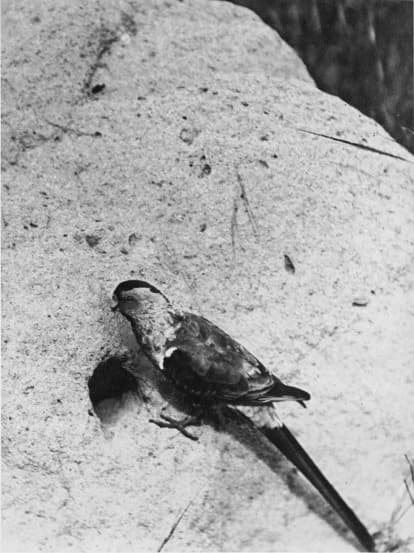
Paradise parrot
The paradise parrot was an exceptionally colorful, medium-sized parrot native to the grassy woodlands along the Queensland and New South Wales border in eastern Australia. Known for its striking plumage of turquoise, aqua, scarlet, black, and brown, and an unusually long tail, it inhabited areas that were once moderately common for the species. Tragically, it became extinct in 1927, with its decline attributed to various factors including habitat loss and overgrazing.
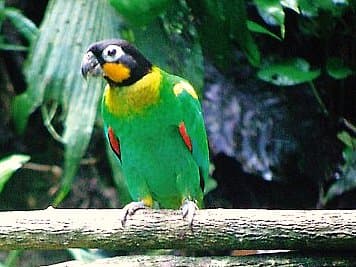
Orange-cheeked parrot
The orange-cheeked parrot, also known as Barraband's parrot, is a species of parrot native to the Amazonian Andes and humid lowland forests of the Amazon Basin in South America. Its distinctive features include an olive throat and breast, yellow thighs, and varying shades of orange on its wings and cheeks, with a notable white eye-ring. This species faces threats from habitat loss due to deforestation in its native range.