
Red-faced parrot
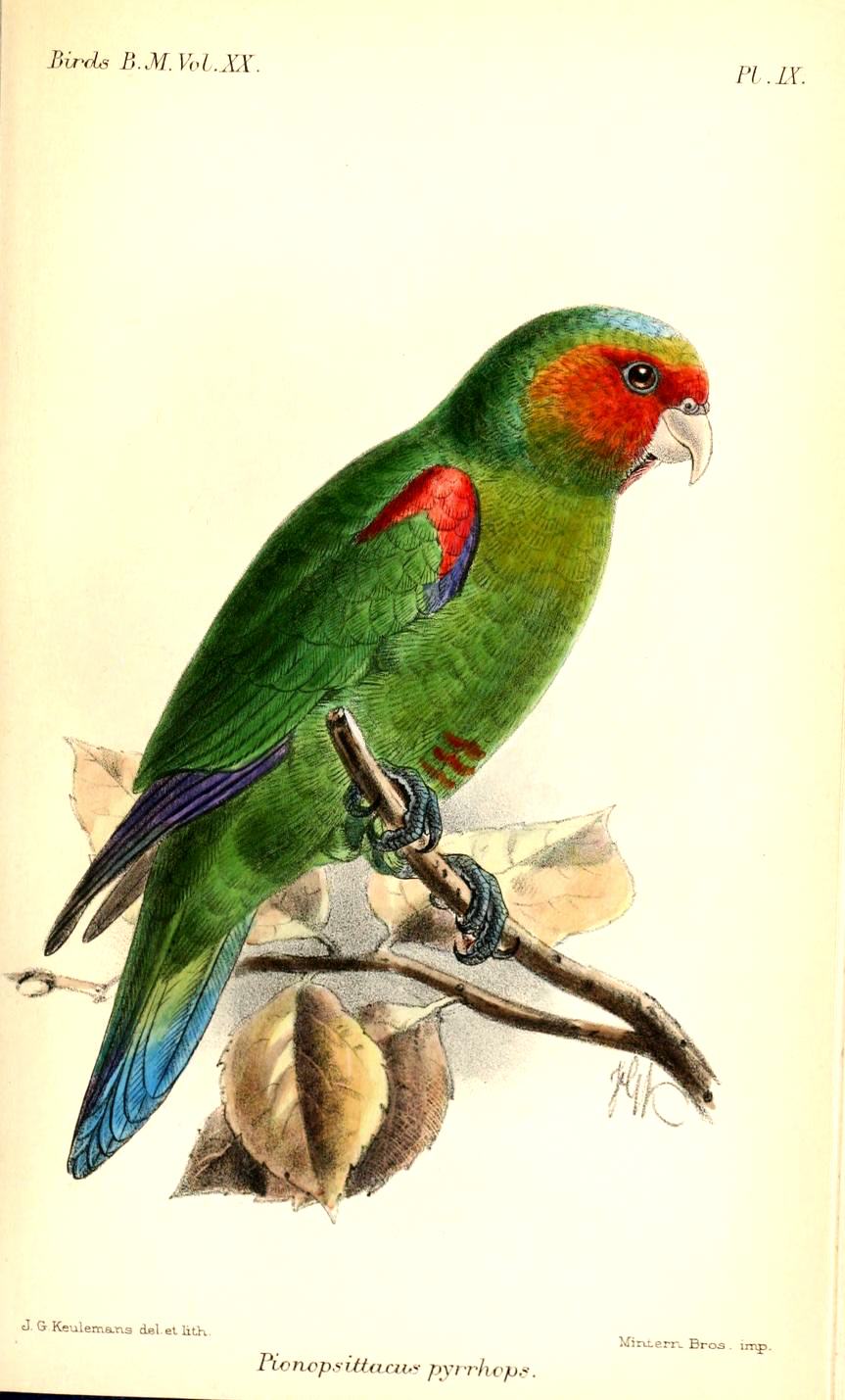
The red-faced parrot (Hapalopsittaca pyrrhops) is a species of parrot found in the montane cloud forests of Ecuador and Peru. It is distinguished by its specific flight call and a diet consisting of flowers, seeds, and fruits from various native trees and shrubs. Tragically, this parrot is considered Endangered due to significant habitat loss driven by agricultural expansion and grazing.
Key Facts
- ›Inhabits subtropical or tropical moist montane forests in Ecuador and Peru.
- ›Primarily feeds on flowers, seeds, miconia fruits, viburnum berries, Weinmannia shoots, and parts of ericaceous trees.
- ›Known for a distinct flight call of repeated 'chek-chek' sounds.
- ›Nests in trees and typically lays two to three eggs between August and January.
- ›Classified as Endangered by Birdlife International and the IUCN due to habitat loss.
- ›Often observed in flocks of around 20 individuals, preferring to stay in one area.
Ecuador, Peru
Subtropical Moist Montane Forests, Tropical Moist Montane Forests, Cloud Forests, Shrubby Growth Next To PáRamo
Red Face
Flowers, Seeds, Miconia Fruits, Viburnum Berries, Weinmannia Shoots, Parts of Ericaceous Trees
- Distinct Flight Call of Repeated 'Chek-Chek' Or 'Chek-Chek-Chek'
- Variety of Nasal Calls When Perched, Such As 'Kyek' and 'Crreet'
Nest In Trees
About Red-faced parrot
The red-faced parrot, scientifically known as Hapalopsittaca pyrrhops, is a species of parrot native to the Andean regions of Ecuador and Peru. Its natural habitat is the moist montane cloud forests, where it thrives amidst the unique flora. This parrot is recognizable by its specific vocalizations, particularly its distinct flight call, a repetitive "chek-chek" sound, and a variety of nasal calls when perched.
Habitat and Diet
Red-faced parrots are found in subtropical and tropical moist montane forests. They have also been observed in shrubby areas bordering páramo ecosystems. Their diet is varied, consisting of flowers, seeds, miconia fruits, viburnum berries, Weinmannia shoots, and various parts of ericaceous trees, reflecting the rich biodiversity of their environment.
Conservation Concerns
Sadly, the red-faced parrot is facing a severe threat from habitat loss. The ongoing destruction of its cloud forest home for agricultural purposes and grazing has led to a significant decrease in its population. Consequently, the species is classified as Endangered by BirdLife International and the IUCN, indicating a high risk of extinction in the wild. The parrot's tendency to stay in small, localized flocks of around 20 individuals makes it particularly vulnerable to localized habitat destruction.
Breeding Habits
The breeding season for red-faced parrots typically occurs between August and January. They build their nests in trees and usually lay between two and three eggs. While these basic facts are known, much about their specific breeding behaviors remains undocumented.
Source: Wikipedia ↗
Frequently Asked Questions
What is the scientific name of the red-faced parrot?
The scientific name of the red-faced parrot is Hapalopsittaca pyrrhops. It belongs to the Psittacidae family and is the only species within its genus.
Where are red-faced parrots found?
Red-faced parrots are primarily found in Ecuador and Peru, specifically in the eastern Andes mountain range of southern Ecuador and the northwest region of Peru. They inhabit mild forests and shrubby growth near páramo.
What is the natural habitat of the red-faced parrot?
Their natural habitat consists of subtropical or tropical moist montane forests, often referred to as cloud forests. They have also been noted to reside in shrubby areas adjacent to páramo.
What does the red-faced parrot eat?
The diet of the red-faced parrot includes a variety of foods found in its habitat, such as flowers, seeds, miconia fruits, viburnum berries, Weinmannia shoots, and parts of ericaceous trees.
Why is the red-faced parrot considered endangered?
The red-faced parrot is threatened by habitat loss due to the ongoing destruction of its cloud forest environment for grazing and agriculture. This reduction in habitat is the primary reason for its Endangered status.
What are the vocalizations of the red-faced parrot like?
The species is known for its distinct flight call, which consists of repeated 'chek-chek' sounds. When perched, they produce a variety of calls, including nasal sounds like 'kyek' and 'crreet'.
When do red-faced parrots breed and how many eggs do they lay?
The ideal breeding months for red-faced parrots are between August and January. They nest in trees and typically lay between two and three eggs per clutch.
Related Parrot species
Grey parrot
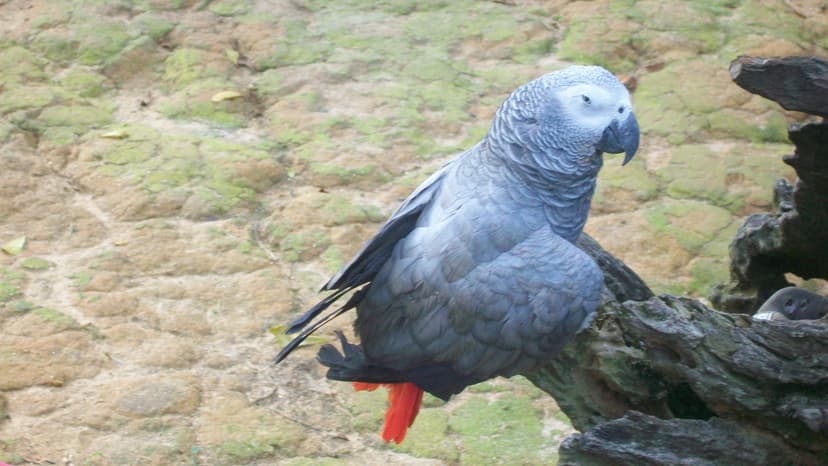
The grey parrot (Psittacus erithacus), also known as the Congo grey parrot, is an African parrot recognized for its exceptional intelligence and remarkable ability to mimic human speech. Native to the equatorial rainforests and savannas of Africa, this predominantly grey bird with a red tail is highly sought after as a companion animal, though its wild populations are facing significant declines due to habitat loss and the pet trade.
Pfrimer's parakeet
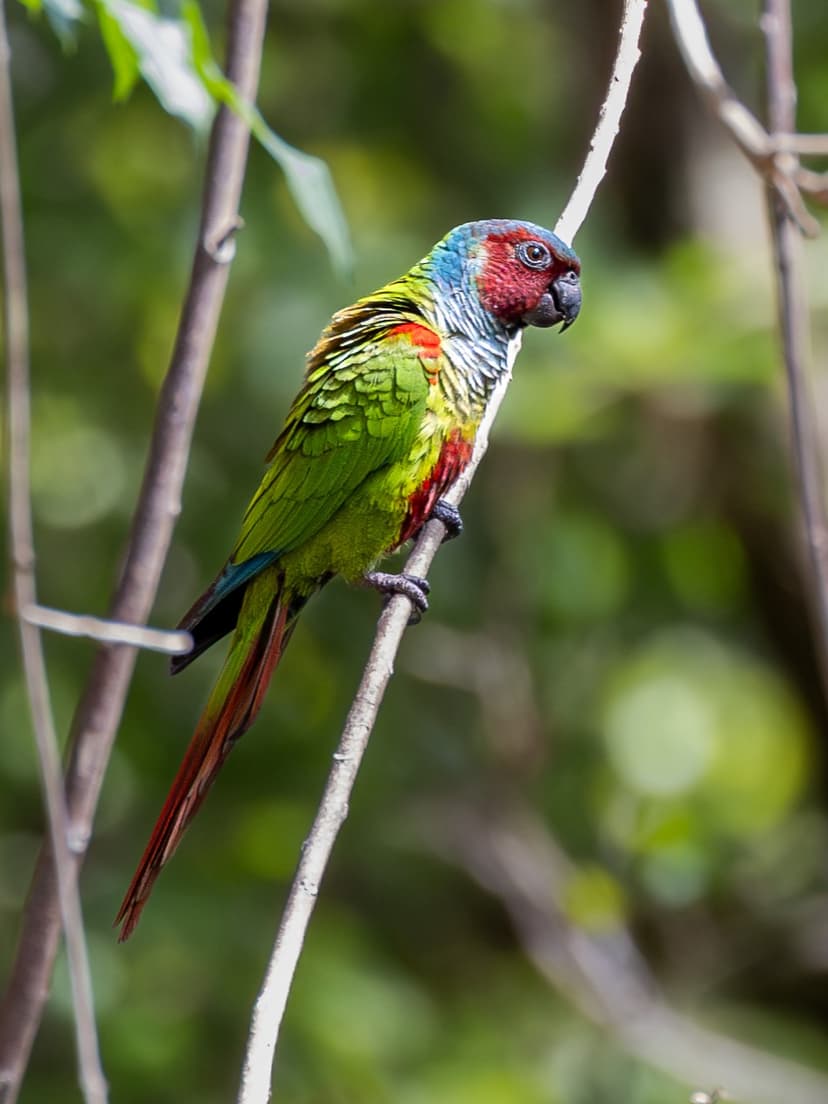
Pfrimer's parakeet, also known as Pfrimer's conure or maroon-faced conure, is a non-migratory parrot species endemic to the Caatinga forest of Brazil's Goiás and Tocantins regions. It is distinguished by its brown and red face, blue crown, and maroon tail, and is currently classified as endangered due to significant habitat loss from deforestation for agriculture.

Lear's macaw
Lear's macaw, also known as the indigo macaw, is a large, all-blue parrot native to a specific dry shrubland region in Brazil. Distinguished by its striking blue plumage and a distinctive yellow patch near its beak, this species was once critically endangered but has seen a significant population increase due to intensive conservation efforts. It primarily feeds on the nuts of the licury palm and nests in sandstone cliff cavities.