
Poelagus
Rabbit·Central Africa·Least Concern·Medium
The Bunyoro rabbit (Poelagus marjorita), also known as the Uganda grass hare, is a medium-sized, greyish-brown, nocturnal, plant-eating mammal found in central Africa. It is the sole member of the genus Poelagus and is distinctive for its shorter ears and hind legs compared to other African leporids, as well as its coarser fur. While historically considered abundant, recent sightings have been infrequent, leading to concerns about its distribution.
Key Facts
- ›The Bunyoro rabbit is the only species in the genus Poelagus.
- ›It is a medium-sized leporid with greyish-brown fur and shorter ears and hind legs than many other African species.
- ›This species is nocturnal and primarily inhabits damp savannahs, often with rocky outcrops, but can also be found in forests.
- ›Its diet consists of grasses and flowering plants, with a preference for young shoots and crops when available.
- ›Historically considered common, its distribution is now known to be more limited, and sightings have become infrequent.
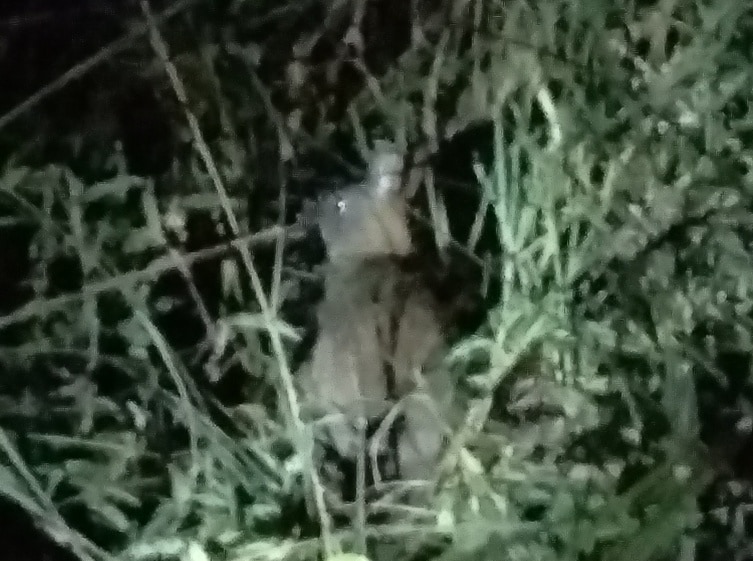
- Medium-Sized, With A Head and Body Length of 400 To 605 mm.
- Greyish-Brown Fur.
- Shorter Hind Legs and Ears Compared To Other African Leporids.
- Coarser Fur.
- Yellowish Tail Above, White Beneath.
- White Stripe From Chest To Lower Abdomen.
- White Fur On Chin, Throat, and Soles of Feet.
- Nocturnal, Active At Night.
- Hides Alone During the Day In Forms Or Rock Crevices.
- Feeds In Groups At Night.
- No Antagonistic Behavior Observed With Sympatric Hare Species.
About Poelagus
The Bunyoro Rabbit: A Unique African Leporid
The Bunyoro rabbit, scientifically known as Poelagus marjorita, is a distinctive species of mammal native to Central Africa and the sole member of the genus Poelagus. Often referred to as the Uganda grass hare, this medium-sized leporid is characterized by its greyish-brown fur, coarser coat, and notably shorter hind legs and ears compared to many other African species. Its nocturnal habits mean it emerges at night to feed, often in groups, after spending the day hidden alone in shallow depressions or rocky crevices.
Taxonomy and Discovery
First described by British mammalogist Jane St. Leger in 1929, the Bunyoro rabbit was initially misidentified but later recognized as a unique species, prompting the establishment of its own genus in 1932. The generic name Poelagus derives from Greek words for 'grass' and 'hare', reflecting its habitat and classification, while the specific epithet marjorita honors Marjorie Pitman, wife of the game warden who collected the type specimen. While two subspecies were once proposed, they are no longer recognized.
Distribution and Habitat
Once thought to have a wide distribution, current understanding places the Bunyoro rabbit in four isolated populations across Uganda, South Sudan, northeastern Democratic Republic of the Congo, and eastern Central African Republic. Its preferred habitat includes damp savannahs, often with rocky outcrops, but it is also found in woodland savannahs and hilly areas with short grasses. It may also inhabit forests and is sometimes found sharing rock crevices with rock hyraxes.
Behavior and Ecology
As a nocturnal animal, the Bunyoro rabbit hides during daylight hours and becomes active after dusk. Its diet primarily consists of grasses and flowering plants, with a particular fondness for young shoots that appear after land is cleared or burned. It also tends to graze in pastures already frequented by larger mammals. When near cultivated areas, it has been known to feed on rice and peanut plants. Despite overlapping ranges with hares, no aggressive interactions have been observed between the species.
Reproduction and Conservation
Breeding in Bunyoro rabbits appears to occur year-round, with records of young rabbits found throughout many months. Gestation lasts approximately five weeks, and litters typically consist of one or two altricial young, born in a breeding hole. The species is classified by the IUCN as Least Concern, though its limited distribution and infrequent sightings have raised some conservation concerns. While it occurs in protected areas, specific conservation measures for the species are not in place. Hunting, primarily using dogs and nets, occurs in some parts of its range, such as Uganda.
Source: Wikipedia ↗
Frequently Asked Questions
What is the scientific name for the Bunyoro rabbit?
The scientific name for the Bunyoro rabbit is Poelagus marjorita. It is also known by its common names, the Uganda grass hare or Bunyoro rabbit.
Where is the Bunyoro rabbit found?
The Bunyoro rabbit is native to Central Africa. Its known distribution includes isolated populations in Uganda, South Sudan, northeastern Democratic Republic of the Congo, and eastern Central African Republic.
What kind of habitat does the Bunyoro rabbit prefer?
The Bunyoro rabbit's typical habitat is damp savannah, often featuring rocky outcrops. They can also be found in forests and hilly regions with short grasses, sometimes near trees and rock crevices.
What does the Bunyoro rabbit eat?
The Bunyoro rabbit is a plant-eater, feeding on grasses and flowering plants. They show a preference for succulent young shoots, particularly after land has been cleared or burned, and will also consume crops like rice and peanuts.
Is the Bunyoro rabbit endangered?
The Bunyoro rabbit is classified by the IUCN as a species of Least Concern. However, concerns have been raised due to its limited distribution and the rarity of recent sightings compared to historical records.
What are the distinctive physical characteristics of the Bunyoro rabbit?
The Bunyoro rabbit has greyish-brown fur and is medium-sized. It is distinguished by having shorter hind legs and ears than many other African leporids, and a coarser coat. A white stripe is visible from the chest to the lower abdomen.
Related Rabbits, Hares & Pikas

Pronolagus
Pronolagus, commonly known as red rock hares, are a genus of lagomorphs found in rocky habitats across Africa. They are characterized by their reddish-brown or dark brown coloration, short ears, and a lack of an interparietal bone. All four extant species are classified by the IUCN as least concern, though habitat loss poses a threat.

Pentalagus
The Amami rabbit (Pentalagus furnessi), also known as the Ryukyu rabbit, is a unique, dark-furred species endemic to the Japanese islands of Amami Ōshima and Tokunoshima. Considered a "living fossil," it represents an ancient lineage of rabbits that once inhabited the Asian mainland. Its distinctiveness lies in its smaller ears, unique molar count, and specialized habitat requirements.
Bunolagus
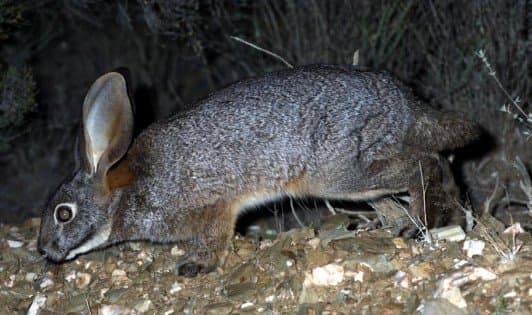
The riverine rabbit (Bunolagus monticularis), also known as the bushman rabbit, is a critically endangered species found in the Karoo region of South Africa. It is distinguished by its unique dark brown facial stripe, a white ring around its eyes, and its habit of digging its own burrows, a trait unusual for rabbits in Africa.