
Ambystoma bishopi
The reticulated flatwoods salamander (Ambystoma bishopi) is a species of mole salamander native to a limited area of the southeastern United States' coastal plain, primarily in Florida and Georgia. It is characterized by a distinctive net-like grey pattern on a dark background and inhabits seasonally wet pine flatwoods, breeding in ephemeral wetlands. This species is currently listed as endangered due to habitat destruction and degradation.
Key Facts
- ›Native to a small region of the southeastern coastal plain in the United States.
- ›Inhabits seasonally wet pine flatwoods and pine savannas.
- ›Breeds in ephemeral wetlands with emergent vegetation.
- ›Possesses a reticulated pattern of thin grey lines on a brownish-black dorsal surface.
- ›Listed as endangered by the IUCN and the United States Fish and Wildlife Service.
- ›Threatened by habitat destruction, particularly due to mismanagement of fire ecology in its habitat.
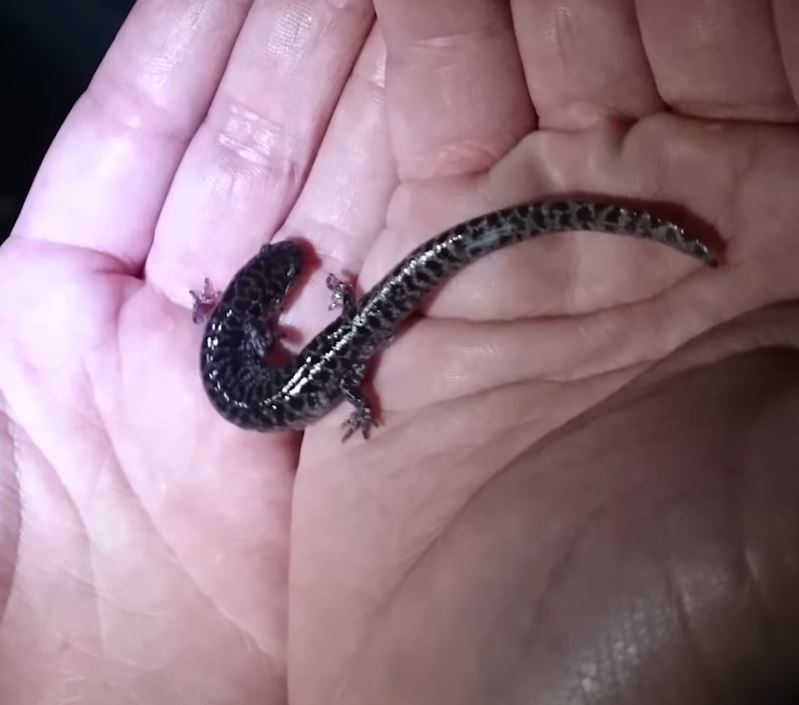
Reticulated Flatwoods Salamander
- Seasonally Wet Pine Flatwoods
- Pine Savannas
- Ephemeral Wetlands
- Leaf Litter Beneath Longleaf Pine and Wiregrass
United States, Formerly Alabama
- Medium-Sized Salamander.
- Snout To Vent Length of 40 To 50 Mm .
- 14 To 16 Costal Grooves.
- Long Head With A Tapered Snout.
- Vomerine Teeth Present In the Roof of the Mouth.
- Stout Forelimbs.
- Tail Flattened Towards the Tip, Shorter Than Head and Body Combined.
- Smooth Skin.
- Dorsal Surface Is Reticulated With Thin Grey Lines Forming A Net-Like Pattern On A Brownish-Black Background.
- Ventral Surface Is Dark With Sparse White Speckles.
Insects
- Burrowing Species.
- Terrestrial As Adults.
- Nocturnal Larvae, Hiding During the Day and Feeding In Water At Night.
- Adults Move To Higher Ground Away From Water After Metamorphosis and Return To Flooded Areas To Breed In the Fall.
- Habitat Destruction
- Degradation of Habitat Due To Mismanagement of Fire Ecology
- Increase In Undergrowth
About Ambystoma bishopi
Reticulated Flatwoods Salamander (Ambystoma bishopi)
The reticulated flatwoods salamander, scientifically known as Ambystoma bishopi, is a species of mole salamander belonging to the family Ambystomatidae. This amphibian is endemic to a restricted area within the southeastern coastal plain of the United States, primarily found in the western panhandle of Florida and the extreme southwestern region of Georgia. Historically, it also occurred in parts of southern Alabama, but it is now considered extirpated from that state. Its life history and ecological requirements are very similar to its sister species, the frosted flatwoods salamander (A. cingulatum).
Habitat and Distribution
Ambystoma bishopi is a burrowing species that resides among the leaf litter. Its preferred natural habitats are seasonally wet pine flatwoods and pine savannas, particularly those west of the Apalachicola-Flint River system. These ecosystems are often characterized by longleaf pine (Pinus palustris) and wiregrass (Aristida stricta). The species relies on ephemeral wetlands that likely require natural fire frequencies, often maintained by summer fires, to prevent overgrowth by woody shrubs, which can render the wetlands unsuitable for breeding.
Description and Biology
Adult reticulated flatwoods salamanders are medium-sized, typically measuring between 40 to 50 millimeters (1.6 to 2.0 inches) from snout to vent, and possess 14 to 16 costal grooves. They have a distinctive appearance with a long head, a tapered snout, and stout forelimbs. The tail is flattened towards its tip and is shorter than the combined length of the head and body. The skin is smooth, and the dorsal surface exhibits a reticulated pattern, featuring thin grey lines that form a net-like design against a brownish-black background. The ventral side is dark, marked with scattered white speckles. This coloration and pattern distinguish it from the similar frosted flatwoods salamander, which has a more frosted dorsal pattern and larger ventral spots.
As a terrestrial species, A. bishopi breeds in small depressions near water sources. Eggs are laid in hidden places, such as under herbaceous vegetation, in leaf litter, at the base of stumps, or in crayfish holes. The larvae are nocturnal, seeking shelter in leaf litter during the day and emerging to feed in the water at night. Hatching is dependent on flooding, and the larval period can last from eleven to eighteen weeks, depending on environmental conditions. After metamorphosis in the spring, mature individuals move to higher ground and live there until the fall, when they return to flooded areas to reproduce.
Conservation Status
The reticulated flatwoods salamander was described in 1950. Due to significant threats, it received endangered status from the United States Fish and Wildlife Service in 2008. The IUCN also lists Ambystoma bishopi as endangered, citing a downward population trend. The primary drivers of this decline are habitat destruction and degradation, often linked to the mismanagement of natural fire regimes essential for maintaining the longleaf pine forest ecosystem upon which the species depends.
Source: Wikipedia ↗
Frequently Asked Questions
What is the scientific name for the reticulated flatwoods salamander?
The scientific name for the reticulated flatwoods salamander is Ambystoma bishopi. It was described in 1950 and is closely related to the frosted flatwoods salamander, Ambystoma cingulatum.
Where is the reticulated flatwoods salamander found?
Ambystoma bishopi is found in a small portion of the southeastern coastal plain of the United States. Its natural range includes the western panhandle of Florida and extreme southwestern Georgia, though it is now considered extirpated from southern Alabama.
What kind of habitat does the reticulated flatwoods salamander prefer?
This salamander inhabits seasonally wet pine flatwoods and pine savannas, specifically ecosystems found in the coastal plains of the Southeastern United States. They live among leaf litter beneath longleaf pine and wiregrass.
How does the reticulated flatwoods salamander reproduce?
Breeding begins with the arrival of rains in October. Eggs are laid in hidden locations near ponds, such as under vegetation, at the base of stumps, or in crayfish holes. Hatching is triggered by flooding, and larvae develop in these ephemeral wetlands.
What are the main threats to the reticulated flatwoods salamander?
The primary threat to Ambystoma bishopi is habitat destruction and degradation. This is exacerbated by the mismanagement of regulatory fires essential for longleaf pine forests and an increase in undergrowth, impacting the wetlands vital for their breeding.
What is the conservation status of Ambystoma bishopi?
The reticulated flatwoods salamander is listed as endangered by both the International Union for Conservation of Nature (IUCN) and the United States Fish and Wildlife Service. Its population trend is downward, reflecting the severe threats to its survival.
Related Salamander and Newt species
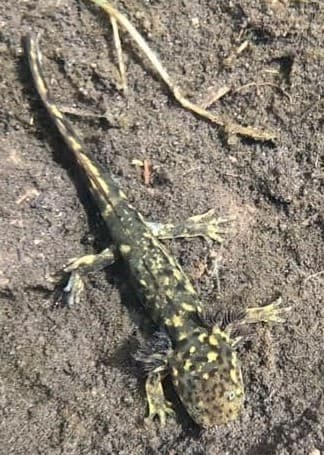
Ambystoma altamirani
The mountain stream salamander (Ambystoma altamirani) is a species of mole salamander native to central Mexico. It is distinguished by its purplish-black dorsal coloration, purplish-lavender belly, and cream-colored accents on its lips, digit tips, and tail fin. This species inhabits high-elevation pine and pine-oak woodlands, breeding in small streams where both larvae and some adults reside, while other adults venture onto land.

Alpine newt
The alpine newt is a species of newt native to continental Europe, with introduced populations in Great Britain and New Zealand. Adults are typically dark grey to blue on their back and sides, with a vibrant orange belly and throat, with males displaying more striking coloration, especially during the breeding season. They are adaptable, inhabiting both lowlands and high altitudes, and are primarily nocturnal during their terrestrial phase.

Ambystoma californiense
The California tiger salamander (Ambystoma californiense) is a vulnerable amphibian native to California, characterized by its black skin with yellow or cream spots. It is a mole salamander that historically inhabited the San Joaquin-Sacramento river valleys but now exists in isolated populations, with some designated as federally endangered or threatened due to habitat loss and hybridization.