
Chiropterotriton dimidiatus
Chiropterotriton dimidiatus·Plethodontidae
The dwarf splayfoot salamander (Chiropterotriton dimidiatus) is a species of salamander found exclusively in the southern Hidalgo region of Mexico. This small amphibian inhabits pine-oak and fir forests. Its primary threat is the ongoing loss of its natural habitat.
Key Facts
- ›Endemic to southern Hidalgo, Mexico.
- ›Inhabits pine-oak and fir forests.
- ›Belongs to the Plethodontidae family.
- ›Threatened by habitat loss.
- ›Also known as the dwarf flat-footed salamander.
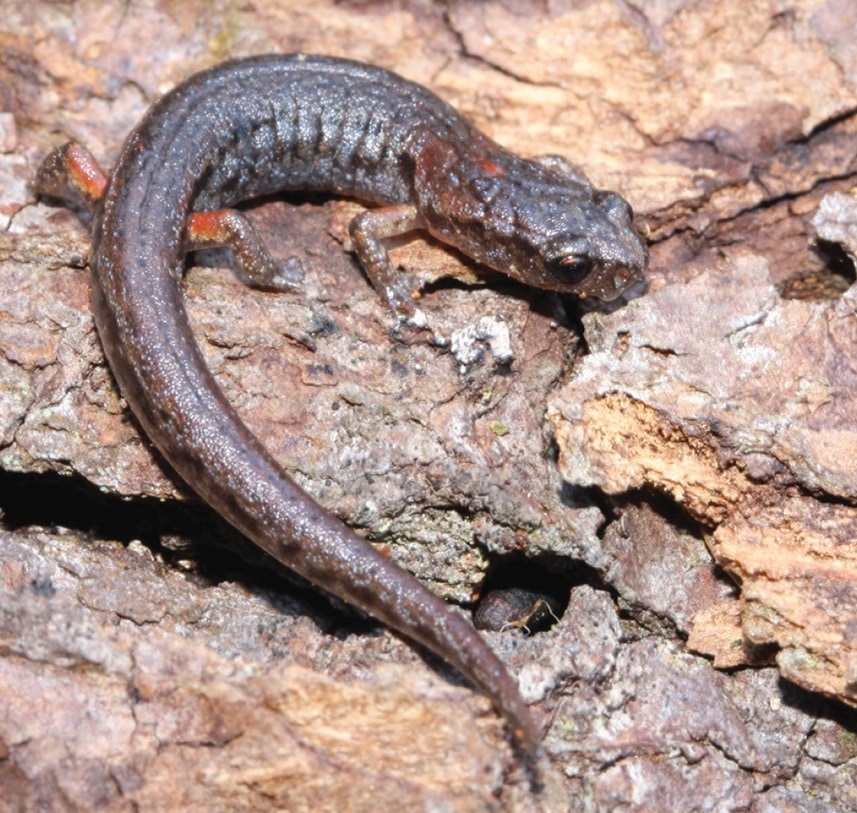
Dwarf Flat-Footed Salamander
Pine-Oak Forests, Fir Forests
Mexico
Habitat Loss
About Chiropterotriton dimidiatus
The Dwarf Splayfoot Salamander (Chiropterotriton dimidiatus)
The dwarf splayfoot salamander, scientifically known as Chiropterotriton dimidiatus, is a species of salamander belonging to the family Plethodontidae. This species is notable for its restricted geographic range, being endemic solely to the southern Hidalgo region of Mexico. Its common name, "dwarf splayfoot salamander," hints at its small size and distinctive foot structure, though detailed descriptions of its physical attributes are limited in available records.
Habitat and Distribution
Chiropterotriton dimidiatus is found exclusively within the mountainous terrain of southern Hidalgo. Its natural habitat consists of pine-oak and fir forests, ecosystems that provide the specific environmental conditions necessary for its survival. The species' reliance on these particular forest types makes it highly vulnerable to changes within these environments.
Conservation Concerns
The primary threat facing the dwarf splayfoot salamander is habitat loss. As human development and land-use practices alter or diminish the extent of its forest dwelling, the population of Chiropterotriton dimidiatus faces significant risk. Further research into its specific ecological needs and the extent of threats is crucial for developing effective conservation strategies for this unique Mexican amphibian.
Source: Wikipedia ↗
Frequently Asked Questions
What is the dwarf splayfoot salamander?
The dwarf splayfoot salamander, scientifically known as Chiropterotriton dimidiatus, is a species of salamander. It is part of the Plethodontidae family and is native to Mexico.
Where is Chiropterotriton dimidiatus found?
This species is endemic to the southern region of Hidalgo, Mexico. Its natural range is confined to this specific area.
What kind of environment does the dwarf splayfoot salamander live in?
Chiropterotriton dimidiatus inhabits pine-oak and fir forests. These specific forest types provide its natural habitat.
What are the main threats to this salamander species?
The primary threat to the dwarf splayfoot salamander is habitat loss. The destruction or degradation of its forest environment endangers its survival.
Are there other common names for Chiropterotriton dimidiatus?
Yes, besides the dwarf splayfoot salamander, it is also referred to as the dwarf flat-footed salamander.
Related Salamander and Newt species

Chiropterotriton priscus
The primeval splayfoot salamander (Chiropterotriton priscus) is a species of salamander native to Mexico, found in high-elevation pine and pine-fir forests. It is distinguished by its terrestrial habits, living under fallen logs and bark, and its endemic range on Cerro Potosí and nearby areas.
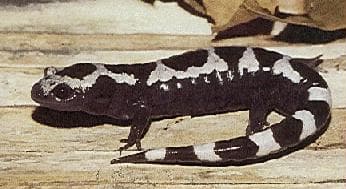
Ambystoma opacum
The marbled salamander (Ambystoma opacum) is a stout, terrestrial salamander found in the eastern United States, distinguished by its striking black and white banded pattern. Females typically have light gray bands, while males exhibit bright white bands, with males also possessing a larger proportion of white on their dorsal surface. This species spends most of its life under logs or in burrows and relies on seasonally flooded areas for breeding.
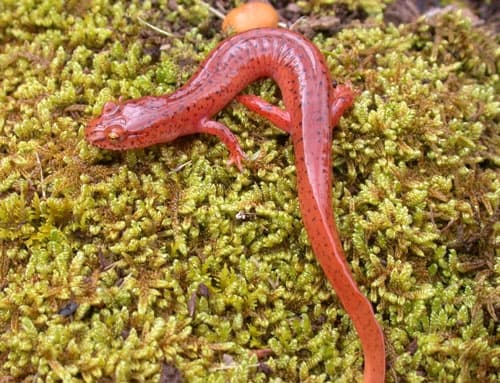
Blue Ridge spring salamander
The Blue Ridge spring salamander, a subspecies of the spring salamander (Gyrinophilus porphyriticus), is found in the southern Appalachian Mountains and adjacent Piedmont regions of the United States. This species is distinguished by a distinctive white line from its eye to its nostril, bordered by a dark line, and its varied dorsal coloration ranging from reddish to orange-yellow with black or brown spots. They inhabit cool springs, mountain springs, and moist forest areas, and are notable for their diet which can include other salamanders.