
Ambystoma opacum
The marbled salamander (Ambystoma opacum) is a stout, terrestrial salamander found in the eastern United States, distinguished by its striking black and white banded pattern. Females typically have light gray bands, while males exhibit bright white bands, with males also possessing a larger proportion of white on their dorsal surface. This species spends most of its life under logs or in burrows and relies on seasonally flooded areas for breeding.
Key Facts
- ›Distinctive black and white banding pattern, with males having brighter white bands than females' gray bands.
- ›Found in damp woodlands and forests across the eastern United States, from New England to Texas.
- ›Adults are terrestrial, living under logs or in burrows, but require seasonal ponds for reproduction.
- ›Females exhibit unique parental care by wrapping their bodies around eggs to collect water for hatching.
- ›The marbled salamander is the state salamander of North Carolina.
- ›They are considered a keystone predator, influencing the competitive balance of their prey species.
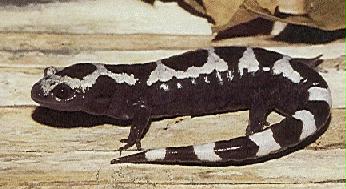
Marbled Salamander
Damp Woodlands, Forests, Areas With Soft and Wet Soil, Seasonally Flooded Areas
Eastern United States, Southern New England, Northern Florida, Illinois, Texas
- Stout Body
- Black and White Banded Pattern
- Females Have Light Gray Bands
- Males Have Bright White Bands
- Males Have A Larger Proportion of White Dorsal Surface Area
- Juveniles Have White Flecks That Develop Into Bands
- Adult Size Up To 11 Cm
Terrestrial Invertebrates, Other Salamanders, Small Aquatic Animals, Larger Crustaceans, Aquatic Insects, Snails, Oligochaete Worms, Eggs and Larvae of Other Amphibians, Cannibalism
- Secretive, Spending Most of Life Under Logs Or In Burrows
- Terrestrial As Adults
- Migrate To Seasonal Pond Basins For Breeding
- Courtship On Land
- Males Compete By Butting Heads and Blocking Movement
- Unique Parental Care By Females Wrapping Eggs
- Can Enter Torpor To Survive Cold Months
- Larval Stage Is Positively Phototactic Until Rear Legs Develop, Then Becomes Negatively Phototactic
- Tail Lashing, Head-Butting, Body Coiling, Or Immobility When Threatened
- Possess Poison Glands For Defense
Desiccation, Heat Stress, Soil Moisture Levels, Short Hydroperiod In Breeding Ponds
About Ambystoma opacum
Marbled Salamander (Ambystoma opacum)
The marbled salamander, scientifically known as Ambystoma opacum, is a distinctive species of mole salamander native to the eastern United States. It is characterized by its robust build and striking black and white banded coloration, which exhibits sexual dimorphism: females typically display lighter gray bands, while males possess brighter white bands and a greater proportion of white on their dorsal surface. These secretive amphibians spend most of their lives concealed beneath logs or within underground burrows in damp woodlands and forests.
Life Cycle and Reproduction
Marbled salamanders undergo metamorphosis, including an aquatic larval stage. Their terrestrial adult life is crucial for survival, with factors like desiccation, heat stress, and soil moisture significantly impacting their chances. While not strong burrowers, they rely on existing holes for shelter. Reproduction occurs in seasonally flooded pond basins during the late summer and early fall. Courtship takes place on land, involving displays between males and females. A unique aspect of their reproductive behavior is the female's tendency to remain with and wrap her body around her eggs, forming a basin to collect water, which is essential for their development and hatching. The larval period varies from approximately two months in the southern parts of their range to up to six months in the north.
Habitat and Behavior
The geographic range of the marbled salamander extends across the eastern United States, from southern New England to northern Florida and westward to Illinois and Texas. Their preferred habitats are damp woodlands and forests with soft, wet soil. As a defense mechanism, they possess poison glands that produce noxious secretions, and they may exhibit behaviors such as tail lashing or head-butting when threatened. Marbled salamanders are considered a keystone predator, playing an important role in their ecosystem by influencing the competitive dynamics of their prey species. They have been observed to enter a state of torpor in the northern parts of their range to endure cold months.
Source: Wikipedia ↗
Frequently Asked Questions
What does a marbled salamander look like?
Marbled salamanders are stout, black and white banded salamanders. Females typically have light gray bands, while males have brighter white bands, with males also showing a larger percentage of white on their back. Juveniles have white flecks that develop into bands as they mature.
Where are marbled salamanders found?
These salamanders inhabit the eastern United States, with their range extending from southern New England down to northern Florida, and westward to Illinois and Texas. They prefer damp woodlands, forests, and areas with soft, wet soil.
What is the habitat of the marbled salamander?
Marbled salamanders live in damp woodlands and forests with soft, wet soil. While adults are terrestrial and spend time under logs or in burrows, they depend on seasonally flooded areas for their breeding.
How do marbled salamanders reproduce?
Courtship and egg deposition occur on land in seasonal pond basins during late summer and early fall. Females may wrap their bodies around their eggs, forming a bowl to collect water, which is essential for hatching. Water contact is necessary for the eggs to begin hatching.
What do marbled salamanders eat?
Adult marbled salamanders feed on terrestrial invertebrates like worms, insects, centipedes, and mollusks, as well as other salamanders. Larvae consume small aquatic animals such as zooplankton and larger crustaceans, and may even engage in cannibalism if other food sources are scarce.
What are the threats to marbled salamanders?
While the species has a relatively long lifespan, allowing them to survive years with poor breeding success, threats can arise from factors like desiccation, heat stress, and soil moisture levels. Short hydroperiods in breeding ponds can lead to catastrophic failure in juvenile survival. Protecting wetlands and maintaining forest buffer zones are recommended for their survival.
Do marbled salamanders have any unique behaviors?
Yes, females exhibit a unique parental care behavior where they wrap their bodies around their eggs to collect water, which is crucial for hatching. They also possess poison glands to deter predators and may exhibit tail lashing or head-butting when threatened.
Related Salamander and Newt species

Aneides lugubris
The arboreal salamander (Aneides lugubris) is a species of climbing salamander native to California and Baja California. It is distinguished by its prehensile tail, sharp teeth, and unique arboreal adaptations, including gliding behavior when falling from trees. This lungless salamander is primarily nocturnal and insectivorous, inhabiting oak and sycamore woodlands and chaparral.
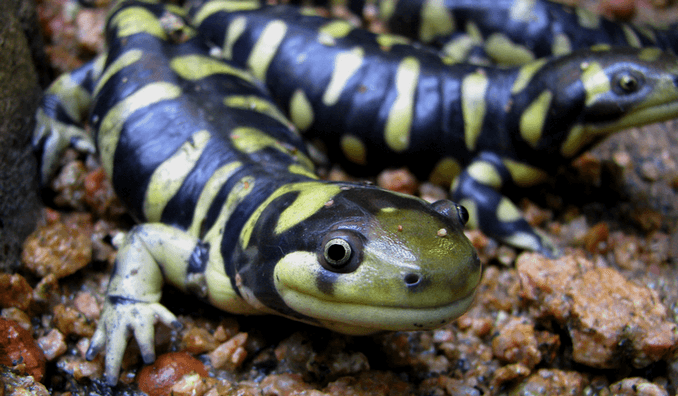
Ambystoma tigrinum
The tiger salamander (Ambystoma tigrinum) is one of the largest terrestrial salamanders native to North America. It is characterized by its distinctive yellow or greenish-yellow markings on a black or dark brown body, and it emits a bright fluorescence under UV light. These amphibians spend much of their lives in burrows and are primarily terrestrial as adults, returning to water only to breed.
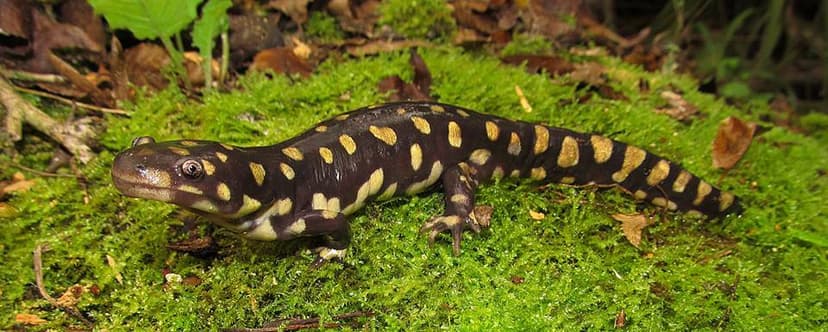
Ambystomatidae
Ambystomatidae is a family of predominantly terrestrial salamanders found across North America, known for their chunky bodies and broad heads. This family includes the mole salamanders (Ambystoma) and the Pacific giant salamanders (Dicamptodon). Some species are among the largest terrestrial salamanders and possess toxic secretions for defense.