
Ik Kil
Ik Kil is a large, open-air cenote located near the ancient Maya ruins of Chichen Itza in Yucatán, Mexico. It is renowned for its natural beauty, significant historical use by the Maya for ritualistic sacrifices, and its popularity as a tourist destination and swimming site.
Key Facts
- ›The cenote is approximately 60 meters (200 ft) in diameter.
- ›Its depth is about 48 meters (157 ft).
- ›The water level is around 26 meters (85 ft) below ground level.
- ›Ik Kil was considered a sacred site by the Maya for sacrifices to their rain god, Chaac.
- ›Archaeologists have discovered human bones and jewelry within its waters.
- ›It has been a featured location for the Red Bull Cliff Diving World Series.
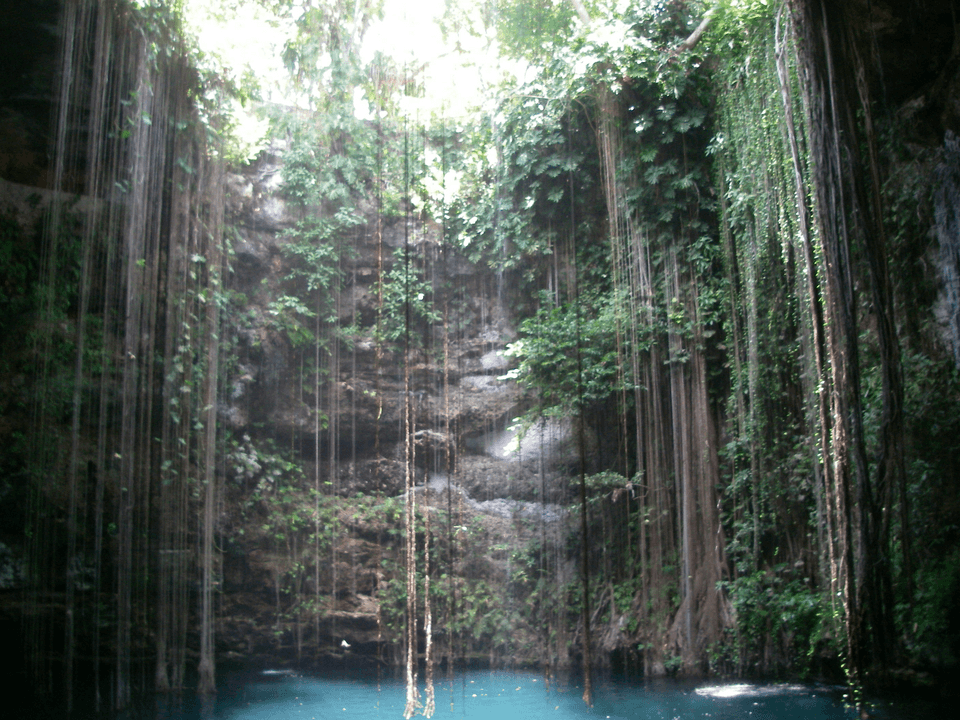
Natural Beauty, Maya Historical Site, Human Sacrifice Location, Red Bull Cliff Diving World Series Venue
Freshwater
About Ik Kil
What is Ik Kil?
Ik Kil is a prominent open-air cenote located near the ancient Maya city of Chichen Itza, on Mexico's Yucatán Peninsula. Situated outside the town of Pisté, it is part of the Ik Kil Archeological Park and is renowned for its striking natural beauty and its historical significance.
Geological Features
The cenote is characterized by its open sky and a water level situated approximately 26 meters (85 ft) below the surface. It measures about 60 meters (200 ft) in diameter and plunges to a depth of around 48 meters (157 ft). A carved stairway provides access to a platform from which visitors can enter the water.
Historical and Cultural Importance
Ik Kil holds considerable historical weight as it was considered a sacred site by the ancient Maya. They utilized the cenote as a place for human sacrifices, particularly offerings to their rain god, Chaac. Archaeological investigations within its waters have uncovered human remains and pieces of jewelry, corroborating its use in ancient rituals.
Modern Access and Recognition
Today, Ik Kil is a popular tourist destination, accessible to the public for swimming. The surrounding complex includes amenities such as a restaurant and hotel. The cenote has also gained international fame as a spectacular venue for the Red Bull Cliff Diving World Series, having hosted the competition in 2010, 2011, and 2014.
Source: Wikipedia ↗
Frequently Asked Questions
Where is Ik Kil located?
Ik Kil is located outside Pisté in the Tinúm Municipality, Yucatán, Mexico, in the northern center of the Yucatán Peninsula. It is part of the Ik Kil Archeological Park, near the famous Maya ruins of Chichen Itza.
What are the dimensions of Ik Kil cenote?
The cenote is approximately 60 meters (200 ft) in diameter and about 48 meters (157 ft) deep. The water level is situated about 26 meters (85 ft) below the ground surface.
What is the historical significance of Ik Kil?
Historically, Ik Kil was a sacred site for the Maya civilization. They used it as a location for human sacrifices dedicated to their rain god, Chaac. Archaeological findings have confirmed this, with bones and jewelry discovered in the water.
Can you swim in Ik Kil?
Yes, Ik Kil is open to the public for swimming. A carved stairway leads down to a platform, providing access to the water for visitors.
Has Ik Kil been featured in any notable events?
Yes, Ik Kil has gained international recognition as a location for the Red Bull Cliff Diving World Series. It hosted this event in 2010, 2011, and 2014, showcasing the cenote's dramatic depth and beauty.
Related Sinkholes
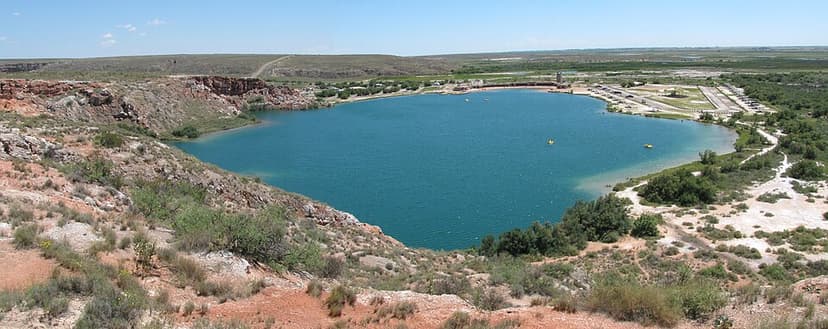
Bottomless Lakes State Park
Bottomless Lakes State Park in New Mexico is the state's first state park, established in 1933. It features nine small, deep lakes formed by sinkholes or cenotes, created by groundwater dissolving gypsum-rich rock. These lakes are geologically significant for their formation process and are home to several endangered species.

Blue Hole (Castalia)
The Blue Hole in Castalia, Ohio, is a natural cenote renowned for its striking blue hue, clarity, and perceived bottomless depth, which historically drew significant tourism. Fed by an underground stream, its anoxic waters and unique geological formation on limestone bedrock make it a notable example of karst topography, though it is no longer publicly accessible.

Dzibilchaltun
Dzibilchaltun is a significant Maya archaeological site in Yucatán, Mexico, notable for its continuous occupation spanning thousands of years and its unique Temple of the Seven Dolls. The site's location was strategically chosen for proximity to salt production and a vital cenote, Cenote Xlakah, which served as a religious center and a source of water.