
Porrhothelidae
Porrhothelidae is a monotypic family of mygalomorph spiders found exclusively in New Zealand. These spiders are distinguished by specific anatomical features, including small posterior sigillae and a single row of teeth on the chelicerae. The genus Porrhothele, containing all members of this family, was established in 1892.
Key Facts
- ›Porrhothelidae is a monotypic family, meaning it contains only one genus, Porrhothele.
- ›All known species within this family are endemic to New Zealand.
- ›Distinguishing features include small posterior sigillae and a single row of teeth on the chelicerae.
- ›Males possess numerous strong spines on the forward-facing margin of their tibiae.
- ›The genus was established by Eugène Simon in 1892.
- ›The family was formally recognized in 2018 based on molecular phylogenetic studies.

New Zealand
- Small Posterior Sigillae
- Single Row of Teeth On the Forward-Facing Margin of the Chelicerae
- Males Have Many Strong Spines On the Forward-Facing Margin of Their Tibiae
About Porrhothelidae
The Porrhothelidae represent a distinct family of mygalomorph spiders, recognized for their unique anatomical traits and their exclusive presence in New Zealand. This family is monotypic, containing only the genus Porrhothele, which itself comprises six species, all endemic to the New Zealand archipelago. The genus was first formally described by Eugène Louis Simon in 1892, initially placed with other groups before its reclassification.
Taxonomy and Classification
Initially grouped with curtain web spiders, the genus Porrhothele was later moved to the family Hexathelidae. However, a significant shift in its taxonomic standing occurred in 2018 when molecular phylogenetic studies revealed distinct evolutionary divergence, leading to the establishment of the family Porrhothelidae. This family is characterized by specific morphological features that differentiate it from related taxa. These include small posterior sigillae and a single row of teeth on the anterior margin of the chelicerae. Furthermore, male spiders within this family exhibit a notable characteristic: numerous strong spines on the forward-facing margin of their tibiae.
Species Endemic to New Zealand
All known species belonging to the Porrhothelidae family are native to New Zealand. As of April 2026, the genus Porrhothelidae includes six described species: Porrhothele antipodiana (the type species), Porrhothele blanda, Porrhothele moana, Porrhothele modesta, Porrhothele peninsularis, and Porrhothele quadrigyna. The isolation and unique evolutionary path of these spiders within New Zealand contribute to their significance in the study of regional arachnid biodiversity.
Source: Wikipedia ↗
Frequently Asked Questions
What are Porrhothelidae spiders?
Porrhothelidae is a family of mygalomorph spiders. They are exclusively found in New Zealand and are characterized by specific anatomical differences from other mygalomorphs.
What makes Porrhothelidae spiders unique?
These spiders are distinguished by their small posterior sigillae and a single row of teeth on the front edge of their chelicerae. Additionally, males have prominent spines on their tibiae.
Where are Porrhothelidae spiders found?
All species within the Porrhothelidae family are endemic to New Zealand, meaning they are found naturally only in this region.
How was the family Porrhothelidae established?
The family Porrhothelidae was established in 2018, following molecular phylogenetic research that indicated the genus Porrhothele warranted its own distinct family classification.
How many species are in the Porrhothelidae family?
As of April 2026, the genus Porrhothele contains six species. All of these are endemic to New Zealand.
Related Spider species

Austrochilidae
Austrochilidae is a small spider family comprising nine species across two genera, Austrochilus and Thaida. These spiders are endemic to the Andean forests of central and southern Chile and adjacent Argentina. They are notable for their basal placement within the Araneomorphae, exhibiting a mix of primitive and advanced arachnid features.
Tetrablemmidae
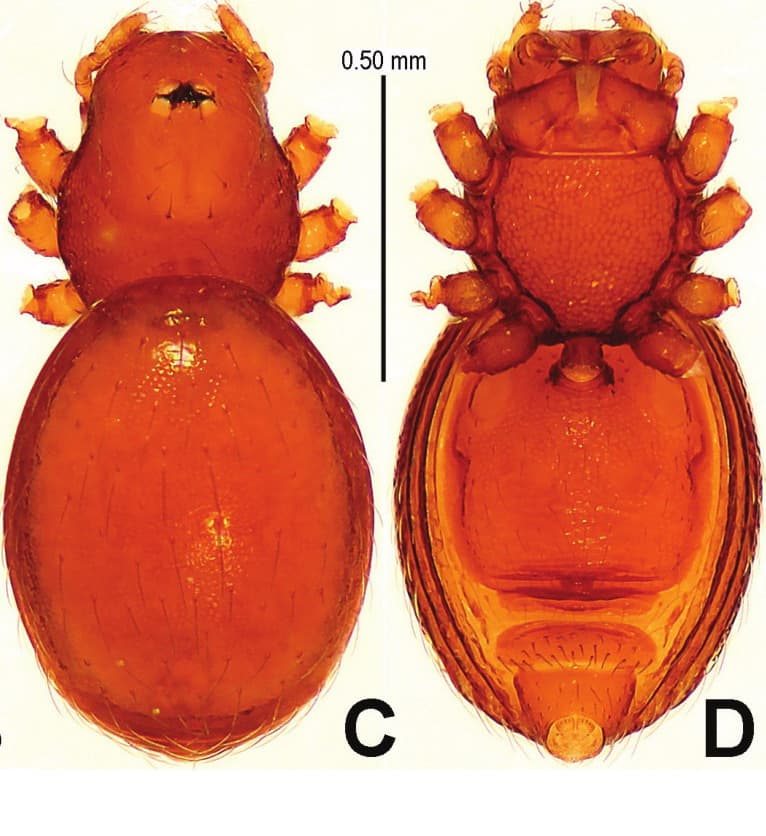
Tetrablemmidae, also known as armored spiders, is a family of tropical araneomorph spiders first described in 1873. They are primarily found in Southeast Asia, with some species extending to Africa and the Americas. A distinctive feature of many Tetrablemmidae spiders is their possession of only four eyes, a trait shared with certain members of the Caponiidae family.
Actinopodidae
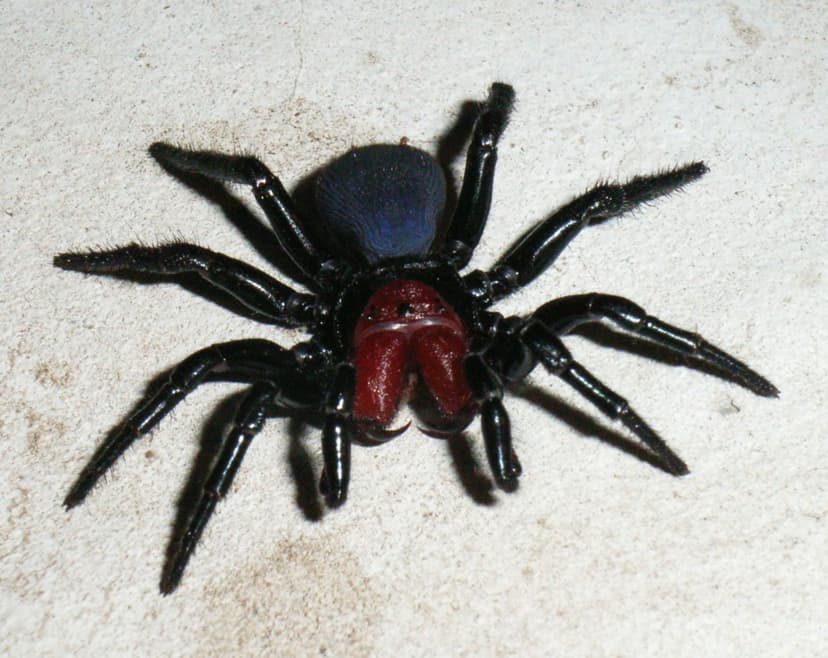
Actinopodidae is a family of mygalomorph spiders native to mainland Australia and South America, typically inhabiting open forests. This family includes the mouse spiders (Missulena species), which are notable for their medically significant and potentially dangerous bites.