
African softshell turtle
Testudines·Omnivorous (fish, frogs, tadpoles, crustaceans, palm seeds, leaves, aquatic vegetation)·Vulnerable·Soft-shelled
The African softshell turtle (Trionyx triunguis) is a large, omnivorous turtle found in freshwater and brackish water across much of Africa and parts of the Near East. It is the sole surviving species in the genus Trionyx and is notable for its leathery, soft shell and its historical association with ancient Egyptian religion as a symbol of evil.
Key Facts
- ›Found in freshwater and brackish-water habitats across Africa and the near East.
- ›Omnivorous diet includes fish, frogs, crustaceans, seeds, leaves, and aquatic vegetation.
- ›Can reach sizes of 85-94 cm in carapace length and weigh up to 40 kg.
- ›Listed as Vulnerable by the IUCN, with Mediterranean subpopulations critically endangered.
- ›Threatened by habitat use for fishing and irrigation, nesting site destruction, and pollution.
- ›Historically viewed as a symbol of evil and an opponent of Ra in ancient Egyptian religion.
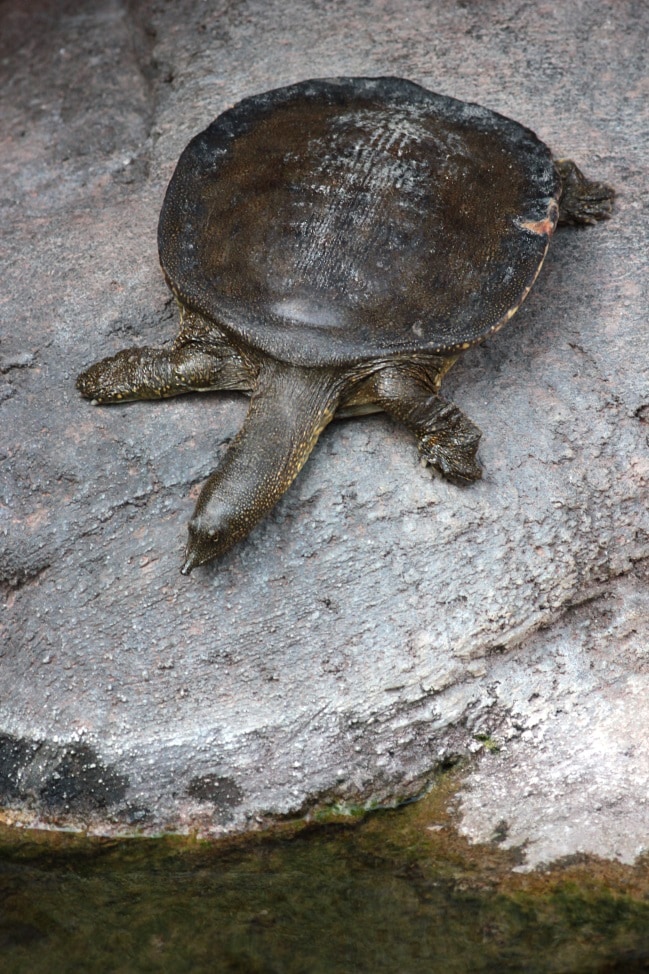
Very Large Species of Softshell Turtle, Leathery, Soft Shell, Sizes Range From 85 To 94 cm, Can Weigh Up To 40 kg
Habitat Use With Fishing Activities, Irrigation, Destruction of Nesting Places, Destruction Caused By Boats, Water Pollution, International Trade
About African softshell turtle
What is the African Softshell Turtle?
The African softshell turtle, scientifically known as Trionyx triunguis, is a large species of turtle characterized by its soft, leathery shell rather than a hard, bony one. It is the only surviving member of the genus Trionyx. This species is found in freshwater and brackish-water environments across a wide geographical range, encompassing much of Africa and extending into parts of the Near East, including countries like Israel, Lebanon, Syria, and Turkey.
Description and Diet
African softshell turtles are substantial in size, with adults typically measuring between 85 and 94 centimeters in carapace length and weighing up to 40 kilograms. Their diet is omnivorous, reflecting a varied intake that includes small aquatic animals such as fish, frogs, tadpoles, and crustaceans, as well as plant matter like floating palm seeds, fallen leaves, and various aquatic vegetation.
Conservation Status and Threats
The species faces significant conservation challenges. Globally, it is classified as Vulnerable by the International Union for Conservation of Nature (IUCN) due to a notable decline in its populations. The Mediterranean subpopulation is of particular concern, having been listed as critically endangered. Major threats contributing to these declines include extensive habitat alteration and use for fishing and irrigation, the destruction of crucial nesting sites, damage from boat traffic, and pervasive water pollution.
International Trade and Cultural Significance
African softshell turtles are also subject to international trade, with hatchlings occasionally being sold as pets, leading to exports to regions like Japan and Europe. Historically, in ancient Egyptian religion, this turtle held a symbolic role, often viewed as an emblem of evil and an adversary to the sun god Ra.
Source: Wikipedia ↗
Frequently Asked Questions
What is the scientific name of the African softshell turtle?
The scientific name of the African softshell turtle is Trionyx triunguis. It is the only extant species within the genus Trionyx.
Where can the African softshell turtle be found?
This species inhabits freshwater and brackish-water environments across large parts of Eastern, Northeastern, Western, and Middle Africa, as well as in the Near East, including Israel, Lebanon, Syria, and Turkey.
What does the African softshell turtle eat?
The African softshell turtle is omnivorous. Its diet consists of small fish, frogs, tadpoles, crustaceans, floating palm seeds, fallen leaves, and some aquatic vegetation.
What are the conservation concerns for this species?
The African softshell turtle is listed as Vulnerable by the IUCN due to serious declines. Specific threats include habitat degradation from fishing and irrigation, destruction of nesting sites, damage from boats, and water pollution.
How large can African softshell turtles get?
Adult African softshell turtles are quite large, typically ranging from 85 to 94 cm in carapace length and weighing up to 40 kg. There are unconfirmed reports of individuals reaching 120 cm.
What is the conservation status of the Mediterranean population?
The Mediterranean subpopulation of the African softshell turtle is listed as critically endangered by the IUCN.
Related Turtles
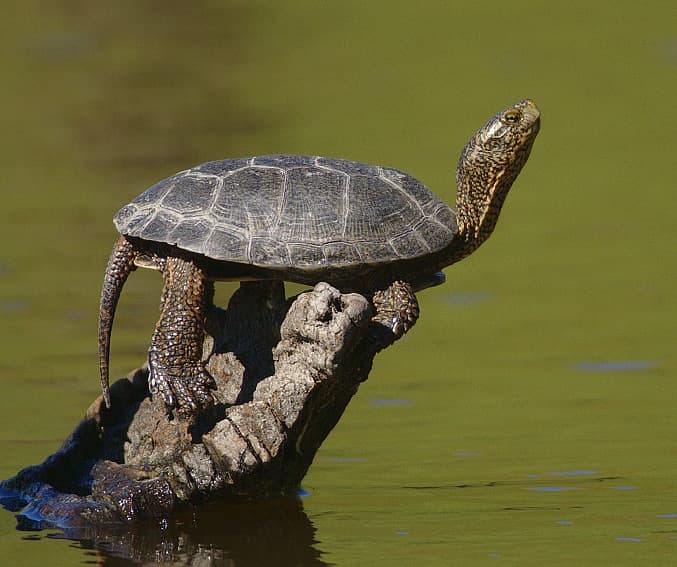
Actinemys marmorata
The western pond turtle (Actinemys marmorata), also known as the Pacific pond turtle, is a species of turtle endemic to the western coast of the United States and Mexico. It is characterized by its low, broad, smooth carapace and yellowish plastron, and it plays a significant role in its ecosystem as an omnivore, consuming insects, crayfish, and plant matter.

Alabama red-bellied cooter
The Alabama red-bellied cooter, also known as the Alabama red-bellied turtle, is a species of pond turtle native to Alabama. It is recognized as the official reptile of the state and inhabits the freshwater to brackish waters of the Mobile-Tensaw River Delta. This turtle is distinctive for its role as a state symbol and its specific habitat within Alabama.

Actinemys pallida
The Actinemys pallida, also known as the southwestern pond turtle, is an aquatic turtle belonging to the genus Actinemys within the Emydidae family. It is native to bodies of water found in southern California and Baja California.