
Sulu pygmy woodpecker
The Sulu pygmy woodpecker is a small bird endemic to the Philippines, found in tropical lowland forests, mangroves, and arable lands. It is threatened by habitat loss due to deforestation and conversion of land for agriculture and urbanization. This species is known for foraging on dead tree branches, often alone or in pairs, and is presumed to feed on insects.
Key Facts
- ›Endemic to the Philippines, specifically the Sulu archipelago.
- ›Inhabits tropical lowland forests, mangrove forests, and cultivated areas.
- ›Threatened primarily by habitat loss from logging, mining, and land conversion.
- ›Population is estimated to be between 2,500 and 9,999 mature individuals.
- ›Forages on dead tree branches, often observed alone or in pairs.
- ›Diet is presumed to consist of insects, similar to related pygmy woodpecker species.

Sulu Woodpecker
Philippines
Insects
Forages On Dead Tree Branches, Forages Alone Or In Pairs, Joins Mixed Flocks
About Sulu pygmy woodpecker
The Sulu pygmy woodpecker (Yungipicus ramsayi), also known as the Sulu woodpecker, is a species of bird endemic to the Philippines, inhabiting tropical lowland forests, mangrove forests, and cultivated lands. It is closely related to other pygmy woodpecker species and was formerly grouped with the Philippine pygmy woodpecker.
Habitat and Ecology
This species is found in various habitats, including forest clearings, forest edges, mangroves, and cultivated areas, though it is thought to avoid dense forest interiors. It has been observed foraging on dead tree branches, often alone or in pairs, and sometimes joins mixed-species flocks. Its diet is presumed to consist mainly of insects, similar to its close relatives.
Conservation Concerns
The Sulu pygmy woodpecker is classified as Vulnerable by the IUCN, with an estimated population of 2,500 to 9,999 mature individuals. The primary threat to its survival is habitat loss, driven by extensive deforestation for logging, mining, agricultural expansion (including palm oil plantations), and urbanization. The challenging security situation in the Sulu archipelago further complicates research and the implementation of conservation strategies. Proposed conservation actions include more extensive surveys to understand its habitat and population better, advocating for the protection of remaining forests, and expanding environmental awareness programs within local communities.
Source: Wikipedia ↗
Frequently Asked Questions
What is the scientific name of the Sulu pygmy woodpecker?
The scientific name of the Sulu pygmy woodpecker is Yungipicus ramsayi. It has also been placed in other genera such as Dendrocopos or Picoides by some taxonomic authorities.
Where is the Sulu pygmy woodpecker found?
This species is endemic to the Philippines. Its natural habitats include tropical moist lowland forest, tropical mangrove forest, and arable land, primarily within the Sulu archipelago.
What are the main threats to the Sulu pygmy woodpecker?
The primary threat is habitat loss, driven by the wholesale clearance of forests for logging, mining, conversion to farmlands or palm oil plantations, and urbanization. The security situation in the Sulu archipelago also hinders research and conservation efforts.
What is the conservation status of the Sulu pygmy woodpecker?
The Sulu pygmy woodpecker is classified as Vulnerable on the IUCN Red List. This status reflects its declining population and the severe threats to its natural habitat.
What does the Sulu pygmy woodpecker eat?
While specific details are scarce due to limited research, it is presumed to have a diet similar to the Philippine pygmy woodpecker and Sunda pygmy woodpecker, which primarily feed on insects.
How does the Sulu pygmy woodpecker forage for food?
The Sulu pygmy woodpecker is observed foraging on dead tree branches. It typically forages alone or in pairs, and has also been seen joining mixed flocks of birds.
Related Woodpecker species
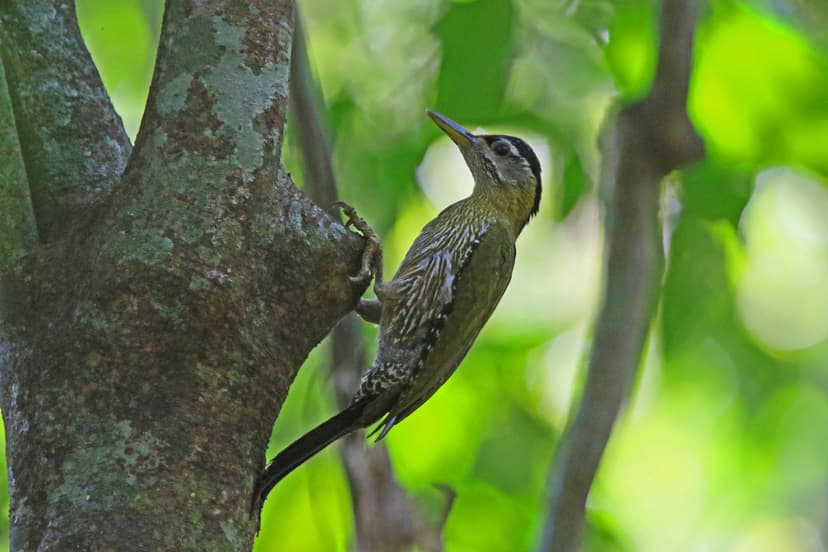
Streak-breasted woodpecker
The streak-breasted woodpecker (Picus viridanus) is a bird species found in southeastern Bangladesh and the central Malay Peninsula. It inhabits subtropical or tropical moist lowland forests and mangrove forests.
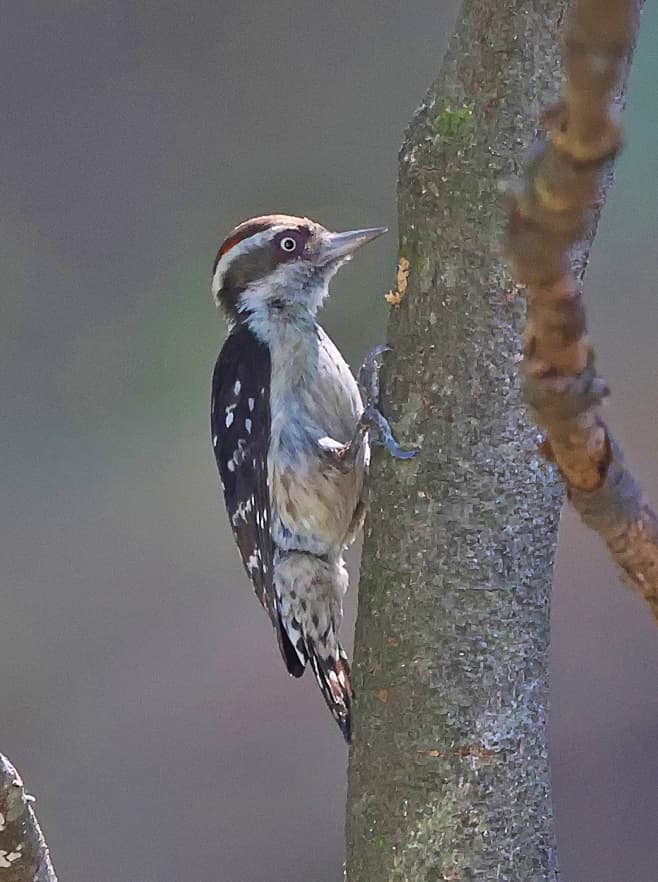
Brown-capped pygmy woodpecker
The brown-capped pygmy woodpecker is a very small species of woodpecker found in Nepal, India, and Sri Lanka. It is characterized by its brownish cap, pink-rimmed white irises, and barred brown and white plumage. These active birds are often observed foraging in pairs or small family groups in the tree canopy.

Lafresnaye's piculet
Lafresnaye's piculet is a small bird belonging to the woodpecker family, found across parts of South America, including Brazil, Colombia, Ecuador, and Peru. This species is characterized by its olive-brown plumage, distinctive spotting on its head, and barred underparts, with slight variations among its four subspecies.