
Assiniboine Park Zoo
Assiniboine Park Zoo, located in Winnipeg, Manitoba, Canada, is a 80-acre zoological facility established in 1904. Managed by the Assiniboine Park Conservancy, it is a significant institution accredited by the Canadian Association of Zoos and Aquariums and the Association of Zoos and Aquariums, playing a role in wildlife conservation and public education.
Key Facts
- ›Established in 1904.
- ›Covers an area of 80 acres (32 hectares).
- ›Houses over 160 species of animals.
- ›Accredited by the Canadian Association of Zoos and Aquariums and the Association of Zoos and Aquariums.
- ›Managed by the Assiniboine Park Conservancy.
- ›Features themed exhibit areas like Journey to Churchill and Animals of Asia.

Journey To Churchill, Animals of Asia, Aunt Sally's Farm, Grasslands and Boreal Forests, Kinsmen Discovery Centre, Open Range, Toucan Ridge
Carmichael, Clementine, Winnipeg the Bear
Arctic and Subarctic Species Conservation, Manitoba Species Conservation, Conservation of International Species At Risk, Poweshiek Skipperling Head-Starting Program, Burrowing Owl Recovery Project, Saving Animals From Extinction Project
About Assiniboine Park Zoo
Assiniboine Park Zoo is a prominent zoological institution located in Winnipeg, Manitoba, Canada. Established in 1904, it has evolved from a small collection of native animals into a significant facility spanning 80 acres. The zoo is managed by the Assiniboine Park Conservancy and holds accreditations from both the Canadian Association of Zoos and Aquariums and the Association of Zoos and Aquariums, underscoring its commitment to high standards of animal care and welfare.
History and Development
The zoo's origins trace back to 1904 when the City of Winnipeg Parks Board acquired native animals to initiate the collection. Over the decades, it underwent substantial development, particularly from the 1960s onwards, with the introduction of new enclosures and exhibit buildings. A major transformation began in 2008 when the Assiniboine Park Conservancy assumed operation and launched a comprehensive redevelopment plan. This ten-year initiative, commencing in 2009, aimed to modernize and re-theme the zoo's layout, introducing new exhibit areas and renovating existing structures.
Exhibits and Facilities
Assiniboine Park Zoo is organized into distinct themed exhibit areas designed to represent various global regions and Manitoba's natural environments. Notable among these are:
- Journey to Churchill: This exhibit is recognized as the most comprehensive of its kind globally, showcasing northern species such as polar bears, seals, muskoxen, and snowy owls. It includes the Gateway to the Arctic, featuring the Sea Ice Passage underwater viewing tunnel, and the Leatherdale International Polar Bear Conservation Centre.
- Animals of Asia: This section houses a variety of rare and exotic species from Asia, including Amur tigers, Bactrian camels, and gibbons.
- Grasslands and Boreal Forests: This area focuses on North American fauna, featuring animals like American bison, grey wolves, and snow leopards.
- Toucan Ridge: Originally the Tropical House, this exhibit showcases the diverse animal, bird, and plant life of the New World tropics, including various monkeys and bats.
- Aunt Sally's Farm: A dedicated child-friendly area with domesticated animals for interaction.
- Kinsmen Discovery Centre: An indoor exhibit featuring a wide array of species across six galleries, including fish, reptiles, amphibians, and invertebrates.
Additional facilities include the McFeetors Heavy Horse Center, the seasonal Shirley Richardson Butterfly Garden, and various visitor amenities like restaurants and playgrounds. The zoo also hosts community events such as Brew at the Zoo and the Zoo Lights Festival.
Conservation and Research
Conservation is a core focus for Assiniboine Park Zoo. The Leatherdale International Polar Bear Conservation Centre serves as its primary research and conservation hub, concentrating on arctic and subarctic species, Manitoba species, and international endangered species. Current projects include studies on polar bear denning, beluga whale populations, and conservation efforts for the Poweshiek Skipperling butterfly and burrowing owls. The zoo's commitment extends to public education through its exhibits, educational programs, and research initiatives aimed at understanding and protecting wildlife.
Source: Wikipedia ↗
Frequently Asked Questions
When was Assiniboine Park Zoo founded?
Assiniboine Park Zoo was established in 1904 by the City of Winnipeg Parks Board. This marked the beginning of its long history as a public zoological facility.
What is the size of Assiniboine Park Zoo?
The zoo occupies approximately 32 hectares, which is equivalent to 80 acres of land within Assiniboine Park in Winnipeg.
What are some of the notable exhibits at Assiniboine Park Zoo?
Key exhibits include 'Journey to Churchill,' which focuses on northern species and features polar bears and seals, and 'Animals of Asia,' home to Amur tigers and other Asian wildlife. Aunt Sally's Farm provides a child-friendly petting zoo experience.
Does the zoo have any conservation programs?
Yes, Assiniboine Park Zoo is actively involved in conservation and research. Its Leatherdale International Polar Bear Conservation Center is a hub for projects focused on arctic and subarctic species, Manitoba species, and international at-risk species.
What is the 'Journey to Churchill' exhibit?
Journey to Churchill is a comprehensive exhibit designed to represent the habitats of northern Manitoba and is recognized as the most extensive northern species exhibit globally. It features animals like polar bears, seals, muskoxen, and snowy owls, along with interactive educational components like the Sea Ice Passage underwater viewing tunnel.
What types of animals can be found at Aunt Sally's Farm?
Aunt Sally's Farm is a child-friendly area that includes domesticated animals such as goats, llamas, donkeys, and pigs. It also features common peafowl.
Related Zoos

Edmonton Valley Zoo
The Edmonton Valley Zoo, located in the river valley of Edmonton, Alberta, is a zoological park accredited by Canada's Accredited Zoos and Aquariums. It is one of three accredited zoos in Alberta and is owned and operated by the City of Edmonton, serving as a hub for animal welfare, conservation, and public education.
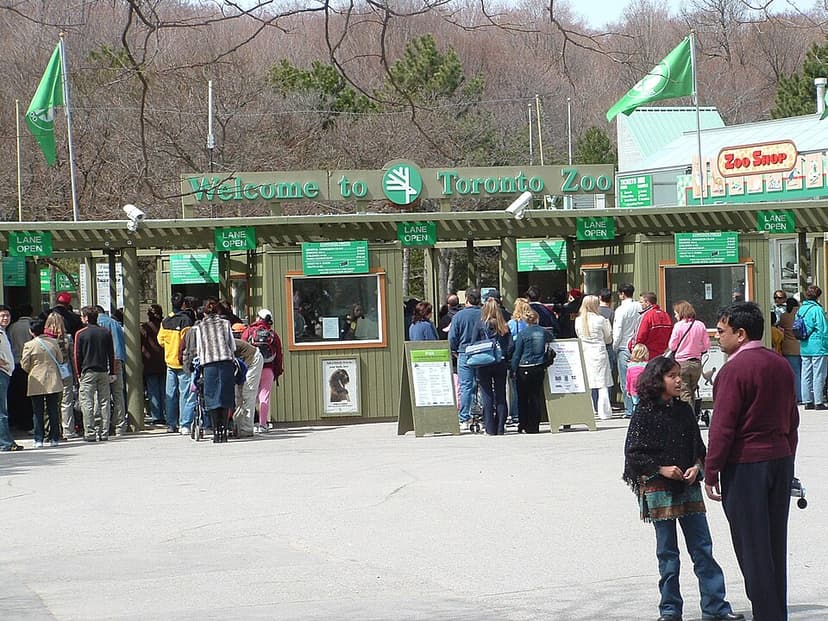
Toronto Zoo
The Toronto Zoo is Canada's largest zoo, spanning 287 hectares and attracting approximately 1.2 million visitors annually. It is organized into seven distinct zoogeographic regions, showcasing a diverse collection of over 3,000 animals from more than 300 species in naturalistic environments. The zoo plays a significant role in conservation and public education, offering immersive experiences for visitors of all ages.
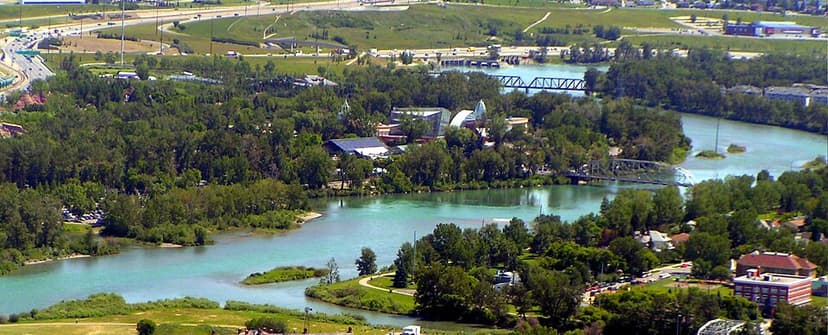
Wilder Institute/Calgary Zoo
The Wilder Institute/Calgary Zoo is a major zoological institution located in Calgary, Alberta, Canada, operating as a non-profit organization. It is recognized globally for its significant contributions to conservation research and is a leading Canadian tourist destination, attracting over 1,000 animals from diverse species across its uniquely themed zones.