
Edmonton Valley Zoo
The Edmonton Valley Zoo, located in the river valley of Edmonton, Alberta, is a zoological park accredited by Canada's Accredited Zoos and Aquariums. It is one of three accredited zoos in Alberta and is owned and operated by the City of Edmonton, serving as a hub for animal welfare, conservation, and public education.
Key Facts
- ›Opened on July 1, 1959, replacing the Borden Park Zoo.
- ›Home to over 350 exotic and native animals across more than 100 species.
- ›Accredited by Canada's Accredited Zoos and Aquariums (CAZA).
- ›Launched the Makira Conservation Fund Initiative in 2007.
- ›Features exhibits such as Makira Outpost, Nature's Wild Backyard, and Carnivore Alley.
- ›The R. Mollot Arctic Wolf Habitat, opened in April 2025, is the largest of its kind in Alberta.

Makira Outpost, Nature's Wild Backyard, Carnivore Alley, R. Mollot Arctic Wolf Habitat, Polar Extremes: Arctic Shores
Lucy, Arctic Wolves, Red Pandas, Lemurs
Makira Conservation Fund Initiative, Red Panda Network, Species Survival Plan
About Edmonton Valley Zoo
The Edmonton Valley Zoo, often referred to as the Valley Zoo, is a significant zoological institution situated in the scenic river valley of Edmonton, Alberta. Established on July 1, 1959, it replaced the former Borden Park Zoo and has since evolved into a key facility for animal welfare, conservation, and public education within Alberta.
History and Operations
Owned and operated by the City of Edmonton, the zoo is accredited by Canada's Accredited Zoos and Aquariums (CAZA) and remains open to the public 364 days a year, with Christmas being its only scheduled closure. The zoo's history is marked by a commitment to developing its facilities and exhibits. A significant Master Plan approved in 2005 allocated substantial capital funding, leading to projects like the Arctic Shores and The Wander Trail, which opened in 2013.
Exhibits and Animal Collections
The Edmonton Valley Zoo houses a diverse collection of over 350 exotic and native animals, representing more than 100 different species. Notable exhibits include:
- Inner Zoo: This area, largely constructed in 1959, is home to animals such as emus and various owls during the summer months.
- Makira Outpost: Opened in 2007, this primate exhibit focuses on lemurs and raises awareness for Malagasy wildlife conservation. It features a unique design with indoor enclosures connected to outdoor habitats, utilizing a water moat as a barrier.
- Nature's Wild Backyard: Launched in phases starting in 2019, this area includes an immersive red panda exhibit and the year-round Urban Farm, which houses domestic species.
- Carnivore Alley: This section features a variety of the zoo's carnivores, including snow leopards, Amur tigers, and Arctic wolves.
- R. Mollot Arctic Wolf Habitat: This expansive habitat, unveiled in April 2025, is the largest of its kind in Alberta and is designed to provide a naturalistic Arctic tundra environment for the resident Arctic wolves.
- Polar Extremes: Arctic Shores: This exhibit replicates an Arctic coast and allows visitors to view harbor seals and northern fur seals underwater.
Conservation and Welfare Initiatives
The zoo places a strong emphasis on conservation. In 2007, it launched the Makira Conservation Fund Initiative in conjunction with its Makira Outpost exhibit. The zoo also supports conservation efforts for other endangered species, such as red pandas, through initiatives like the Red Panda Network and participation in the international Species Survival Plan, which aims to reintroduce endangered animal populations into the wild. They have successfully raised several red panda cubs since 2007.
Lucy the Elephant
A prominent figure at the zoo has been Lucy, an Asian elephant who arrived in 1977. Her presence and welfare have been the subject of considerable public discussion and advocacy for over two decades. The zoo constructed specialized accommodations for Lucy, including a heated elephant house. In 2020, Lucy began a transition into retirement from public appearances, and the zoo has stated that she will be the last elephant to reside at Edmonton Valley Zoo. Independent veterinary assessments have consistently advised against her relocation due to complex health issues, particularly chronic respiratory problems, indicating that transport could pose significant risks to her well-being. The zoo continues to maintain its accreditation with CAZA, with annual variance letters confirming Lucy's care plan aligns with evolving industry standards.
Source: Wikipedia ↗
Frequently Asked Questions
When did the Edmonton Valley Zoo open?
The Edmonton Valley Zoo opened its doors on July 1, 1959. It was established as a replacement for the previous Borden Park Zoo, which was demolished to make way for an expansion of Northlands Park.
What is the history behind the Makira Outpost exhibit?
The Makira Outpost, a primate exhibit focusing on lemurs, opened in 2007 and is named after the Makira forest region in Madagascar. Its opening coincided with the launch of the Makira Conservation Fund Initiative, highlighting the zoo's commitment to Malagasy wildlife conservation.
What animals are found in the Makira Outpost?
As of 2025, the Makira Outpost houses ring-tailed lemurs, mongoose lemurs, and black-and-white ruffed lemurs. Each of these primate groups shares its enclosure with an African spurred tortoise.
What is unique about the R. Mollot Arctic Wolf Habitat?
The R. Mollot Arctic Wolf Habitat, unveiled in April 2025, is the largest of its kind in Alberta, spanning 5,000 square meters (1.24 acres). It features a naturalistic environment designed to reflect the wolves' native Arctic tundra, including a climate-controlled indoor area and an outdoor environment with indigenous flora and a pond.
What is the status of Lucy the elephant at the zoo?
Lucy, an Asian elephant who arrived in 1977, has been retired from public life since 2020, and her elephant house is closed to the public. The zoo has stated she will be the last elephant at Edmonton Valley Zoo. Her welfare has been a subject of public debate, with ongoing discussions about her living conditions and the potential risks of relocation due to her health.
Does the zoo participate in conservation efforts?
Yes, the Edmonton Valley Zoo actively participates in conservation. They launched the Makira Conservation Fund Initiative, raise funds for endangered animals like red pandas through the Red Panda Network, and are involved in the Species Survival Plan, an international effort to restore endangered animal populations.
What is the Urban Farm exhibit?
The Urban Farm is part of the Nature's Wild Backyard exhibit and is home to the zoo's domestic farm animals, including pigs, chickens, ponies, goats, sheep, and rabbits. It also features a restaurant, washrooms, and an ice cream stand.
Related Zoos

Assiniboine Park Zoo
Assiniboine Park Zoo, located in Winnipeg, Manitoba, Canada, is a 80-acre zoological facility established in 1904. Managed by the Assiniboine Park Conservancy, it is a significant institution accredited by the Canadian Association of Zoos and Aquariums and the Association of Zoos and Aquariums, playing a role in wildlife conservation and public education.
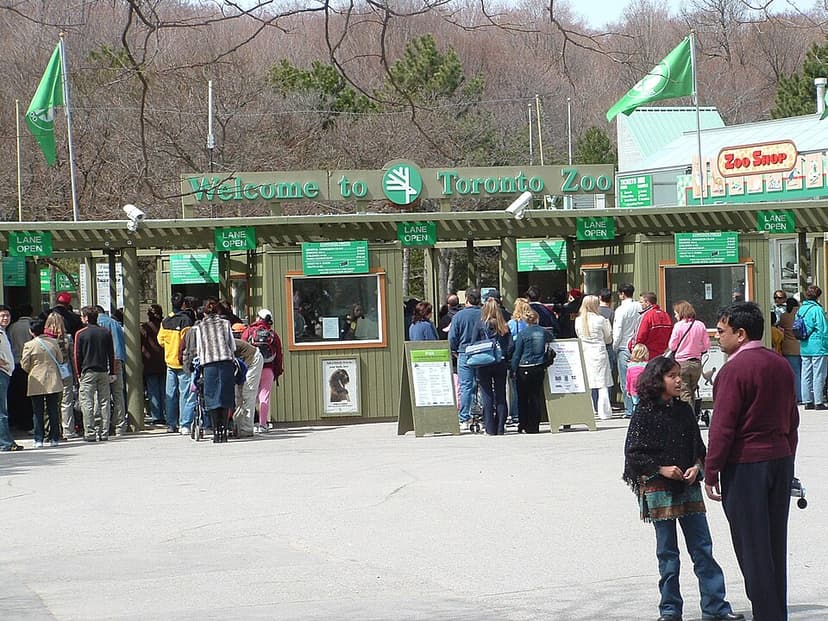
Toronto Zoo
The Toronto Zoo is Canada's largest zoo, spanning 287 hectares and attracting approximately 1.2 million visitors annually. It is organized into seven distinct zoogeographic regions, showcasing a diverse collection of over 3,000 animals from more than 300 species in naturalistic environments. The zoo plays a significant role in conservation and public education, offering immersive experiences for visitors of all ages.
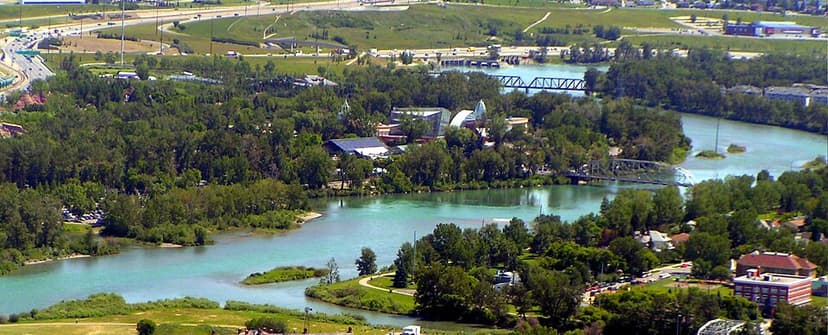
Wilder Institute/Calgary Zoo
The Wilder Institute/Calgary Zoo is a major zoological institution located in Calgary, Alberta, Canada, operating as a non-profit organization. It is recognized globally for its significant contributions to conservation research and is a leading Canadian tourist destination, attracting over 1,000 animals from diverse species across its uniquely themed zones.