
Belfast Zoological Gardens
Belfast Zoological Gardens, commonly known as Belfast Zoo, is a zoological park located on the northeastern slope of Cavehill in Belfast, Northern Ireland. Opened in 1934, it is the second-oldest zoo in Ireland and serves as a significant visitor attraction, housing over 1,200 animals from 140 species. The zoo is dedicated to conservation efforts and participates in numerous international breeding programs for endangered species.
Key Facts
- ›Opened on March 28, 1934.
- ›Located on a 55-acre site overlooking Belfast.
- ›Home to over 1,200 animals representing 140 species.
- ›Owned and funded by Belfast City Council.
- ›Participates in over 90 European and international breeding programmes.
- ›A member of BIAZA, EAZA, and WAZA.
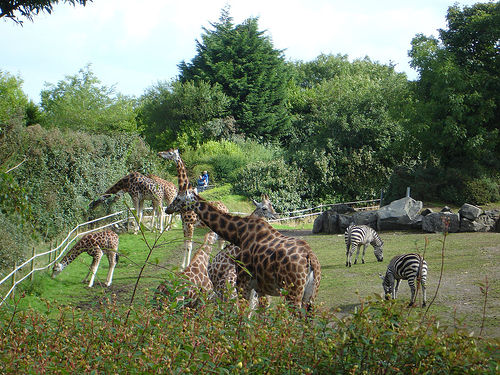
Rainforest House, Gorilla and Chimpanzee Enclosures, Giraffe and Elephant Enclosures, Spider Monkey Enclosures, Andean Bear Enclosures
Barbary Lion, Sumatran Tiger, Goodfellow's Tree-Kangaroo, Western Lowland Gorilla, Chimpanzee
European Breeding Programmes, International Breeding Programmes
About Belfast Zoological Gardens
Belfast Zoological Gardens, also widely known as Belfast Zoo, is a significant zoological institution situated on the northeastern slope of Cavehill in Belfast, Northern Ireland. Opened to the public on March 28, 1934, it holds the distinction of being the second-oldest zoo in Ireland, following Dublin Zoo. The zoo occupies a 55-acre site and has become a prominent visitor attraction, drawing over 300,000 visitors annually, and is recognized as one of Northern Ireland's top fee-paying attractions.
History and Development
The origins of Belfast Zoo are linked to the city's public transport system in the early 20th century. In 1911, Belfast Corporation took over a tram line and developed the area, named Bellevue, into pleasure gardens. By 1933, the corporation decided to establish a zoological collection, and in 1934, 12 acres were laid out as Bellevue Zoo. The construction involved 150 men, and the site was officially opened by Sir Crawford McCullagh, the Lord Mayor of Belfast. The initial cost of £10,000 attracted 284,713 visitors in its inaugural year.
Management and Collections
Belfast Zoo is owned by Belfast City Council, which allocates over £2.5 million annually for its operation and promotion. The zoo is overseen by the council's Parks and Leisure Committee. Its extensive collections feature more than 1,200 animals from over 140 species. Notable animal groups include primates like western lowland gorillas and chimpanzees, various mammals, birds such as flamingos and penguins, and reptiles. The zoo also maintains a farm area with domestic animals.
Conservation and Modernization
A core mission of Belfast Zoo is wildlife conservation. The majority of the animals housed at the zoo are endangered in their natural habitats. The zoo actively participates in over 90 European and international breeding programmes designed to safeguard threatened species. The zoo is a member of esteemed organizations such as the British and Irish Association of Zoos and Aquariums (BIAZA), the European Association of Zoos and Aquaria (EAZA), and the World Association of Zoos and Aquariums (WAZA).
Recent developments at the zoo have included renovations to animal enclosures, such as those for gorillas, chimpanzees, giraffes, and elephants. A new tropical rainforest house was opened in 2008, featuring a walk-through exhibition. In 2009, the zoo celebrated its 75th anniversary with the opening of a new Visitors' Centre and shop, supported by funding from the Northern Ireland Tourist Board. The zoo has seen numerous births and new arrivals, including a Barbary lion cub, Sumatran tigers, and the UK's only tree-kangaroo, highlighting its commitment to breeding programs and animal welfare.
Source: Wikipedia ↗
Frequently Asked Questions
When did Belfast Zoo open?
Belfast Zoo officially opened its gates to the public on March 28, 1934. The site was developed from pleasure gardens and miniature railway facilities previously managed by Belfast Corporation.
How large is Belfast Zoo?
The zoo occupies a site of 55 acres, situated on the northeastern slope of Cavehill, offering views over Belfast. This area accommodates its diverse collection of animals and facilities.
What types of animals can be found at Belfast Zoo?
Belfast Zoo houses a wide variety of animals, including primates such as western lowland gorillas and chimpanzees, various mammals, numerous bird species like flamingos and penguins, and a range of reptiles. It also features a farm with domestic animals.
Does Belfast Zoo participate in conservation efforts?
Yes, Belfast Zoo plays a significant role in conservation. The majority of its animals are endangered in their natural habitats, and the zoo actively participates in over 90 European and international breeding programmes to ensure species survival.
Who owns Belfast Zoo?
Belfast Zoo is owned by Belfast City Council. The council provides significant annual funding for its operation and promotion, making it one of the few local government-funded zoos in the UK and Ireland.
What is the Floral Hall?
The Floral Hall is a historic 1930s art deco ballroom located within the zoo grounds. Once a popular dance venue, it has fallen into dereliction since its closure in 1972, though plans for its renovation have been discussed.
Related Zoos

WWT Castle Espie
WWT Castle Espie is a wetland reserve located on the banks of Strangford Lough in Northern Ireland, managed by the Wildfowl and Wetlands Trust (WWT). It is significant for its role as an early wintering site for nearly the entire Nearctic population of pale-bellied brent geese and boasts the largest collection of ducks, geese, and swans in Ireland.
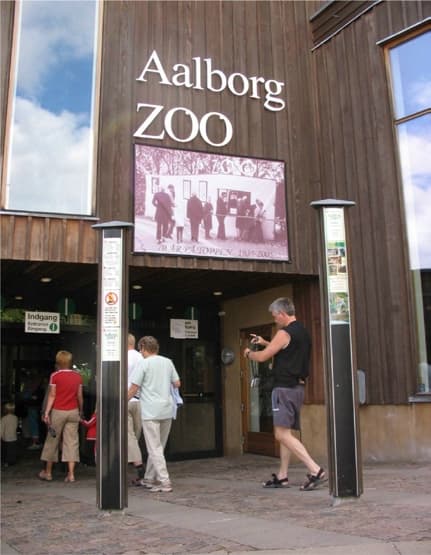
Aalborg Zoo
Aalborg Zoo is a zoological garden situated near the heart of Aalborg, Denmark, drawing approximately 375,000 visitors annually. It serves as a significant institution for animal conservation, actively participating in global breeding programs and environmental preservation projects, including supporting rainforest conservation in Ecuador.
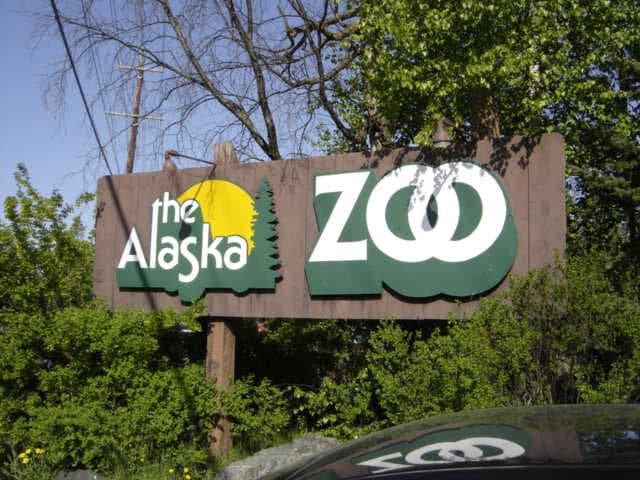
Alaska Zoo
The Alaska Zoo, located in Anchorage, Alaska, is a popular attraction focused on showcasing animals native to the state alongside exotic species. It plays a significant role in education, research, wildlife conservation, and animal rehabilitation, often housing orphaned or injured animals.