
WWT Castle Espie
WWT Castle Espie is a wetland reserve located on the banks of Strangford Lough in Northern Ireland, managed by the Wildfowl and Wetlands Trust (WWT). It is significant for its role as an early wintering site for nearly the entire Nearctic population of pale-bellied brent geese and boasts the largest collection of ducks, geese, and swans in Ireland.
Key Facts
- ›Managed by the Wildfowl and Wetlands Trust (WWT) since 1990.
- ›Located on the banks of Strangford Lough, Northern Ireland.
- ›Hosts the largest collection of ducks, geese, and swans in Ireland.
- ›Provides an important wintering ground for pale-bellied brent geese.
- ›Features a visitor centre with award-winning sustainable design.
- ›Includes a reconstruction of a Crannog, an ancient dwelling.

Crannog Reconstruction, Hides For Birdwatching, Woodland Walks, Sensory Garden
Pale-Bellied Brent Geese, Ducks, Geese, Swans
About WWT Castle Espie
WWT Castle Espie is a significant wetland reserve situated on the shores of Strangford Lough in County Down, Northern Ireland. Managed by the Wildfowl and Wetlands Trust (WWT) since 1990, the site is notable for its role in supporting avian populations and its educational and visitor facilities. The reserve encompasses a townland of 255 acres and is part of the larger Strangford Lough Ramsar Site.
Significance and Wildlife
The reserve holds the distinction of housing the largest collection of ducks, geese, and swans within Ireland. It plays a crucial ecological role as an early wintering ground for nearly the entire Nearctic population of pale-bellied brent geese. Beyond these core species, the wetland environment supports a diverse array of birdlife and other wildlife.
Features and Facilities
In addition to its natural wetland habitats, WWT Castle Espie offers a range of visitor amenities and attractions. These include woodland walks, a sensory garden, and exhibition areas. A key feature is a reconstruction of a Crannog, an ancient type of dwelling found in Scotland and Ireland, dating from the European Neolithic Period to the early 18th century. The visitor centre itself is designed with award-winning sustainable principles, incorporating features such as rainwater harvesting, natural reed bed filtration systems for wastewater, and solar power. From its Kingfisher Kitchen, visitors can enjoy sweeping vistas of the northern shore of Strangford Lough.
History
Archaeological evidence indicates human activity at the site dating back to the Mesolithic period. During the eighteenth and nineteenth centuries, the area was utilized for quarrying lime, which was processed in Hoffmann kilns. Brickworks were also established on the site during the nineteenth century. The modern management by WWT began in 1990.
Media Appearances
Castle Espie has gained recognition through its use as a filming location for BBC wildlife programs. In 2021, it was featured in "Springwatch" and "Autumnwatch," and in January 2022, it was part of "Winterwatch."
Source: Wikipedia ↗
Frequently Asked Questions
What is WWT Castle Espie?
WWT Castle Espie is a wetland reserve managed by the Wildfowl and Wetlands Trust (WWT) on the shores of Strangford Lough in Northern Ireland. It is recognized for its significant bird populations and educational facilities.
What wildlife can be seen at WWT Castle Espie?
The reserve is home to the largest collection of ducks, geese, and swans in Ireland. It is particularly known as an early wintering site for almost the entire Nearctic population of pale-bellied brent geese.
What are the features of the visitor centre at WWT Castle Espie?
The visitor centre at Castle Espie has an award-winning sustainable design, incorporating rainwater harvesting and natural reed bed filtration systems. It offers sweeping views of Strangford Lough from the Kingfisher Kitchen and includes exhibition areas.
What historical elements are present at WWT Castle Espie?
The site has archaeological evidence dating back to the Mesolithic period. In more recent history, lime was quarried and processed in Hoffmann kilns, and brickworks were also present during the nineteenth century.
Has WWT Castle Espie been featured in any media?
Yes, Castle Espie served as a filming location for the BBC wildlife series Springwatch and Autumnwatch in 2021. It was also featured in Winterwatch in January 2022.
Related Zoos

WWT London Wetland Centre
WWT London Wetland Centre is a significant urban wetland reserve located in southwest London, England, established in 2000. It occupies over 100 acres of land converted from Victorian reservoirs and is managed by the Wildfowl and Wetlands Trust. The centre is notable for providing habitat to unique wild bird populations, including nationally significant numbers of gadwall and northern shoveler, and was recognized as Britain's Favourite Nature Reserve in 2012.
Belfast Zoological Gardens
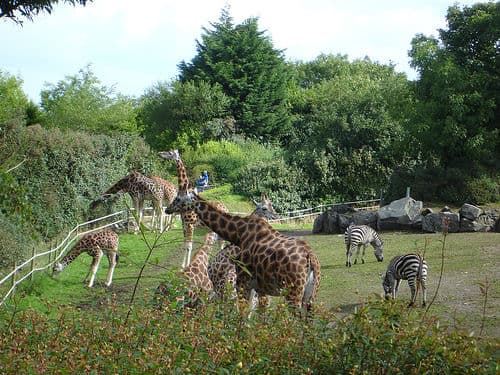
Belfast Zoological Gardens, commonly known as Belfast Zoo, is a zoological park located on the northeastern slope of Cavehill in Belfast, Northern Ireland. Opened in 1934, it is the second-oldest zoo in Ireland and serves as a significant visitor attraction, housing over 1,200 animals from 140 species. The zoo is dedicated to conservation efforts and participates in numerous international breeding programs for endangered species.
Adelaide Zoo
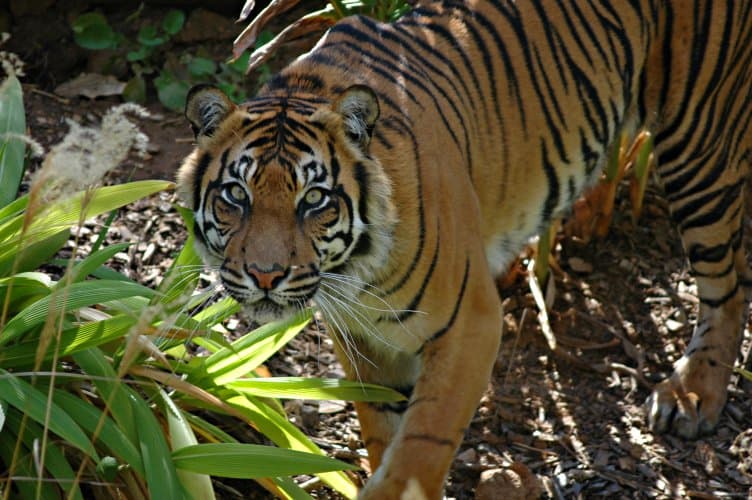
Adelaide Zoo, established in 1883, is Australia's second-oldest zoo and operates on a non-profit basis. Situated north of Adelaide's city center, it is managed by the Royal Zoological Society of South Australia and is a key institution for wildlife conservation and public education in the region.