
Berlin Zoological Garden
The Berlin Zoological Garden, established in 1844, is Germany's oldest and most renowned zoo. It boasts one of the world's most extensive species collections, housing over 20,200 animals across approximately 1,380 species. The zoo is a significant European tourist attraction, drawing millions of visitors annually and playing a vital role in international conservation efforts through breeding programs and species reintroduction.
Key Facts
- ›Opened on August 1, 1844, making it Germany's oldest zoo.
- ›Covers an area of 35 hectares (86.5 acres).
- ›Houses approximately 1,380 species and over 20,200 individual animals.
- ›It is the most visited zoo in Europe.
- ›Features a notable aquarium that opened in 1913.
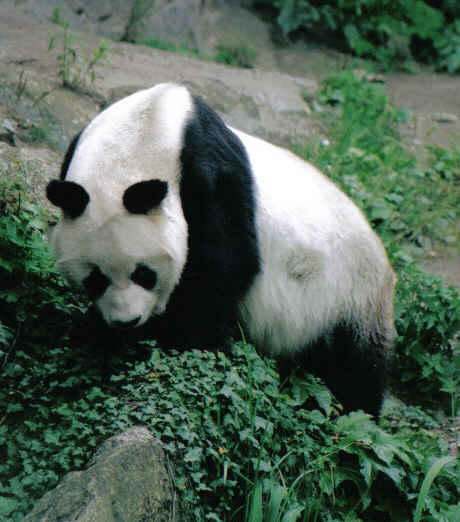
- ›Known for globally recognized animals like Knut the polar bear and Bao Bao the giant panda.
Aquarium, Carnivore House, Bird House, Walk-Through Aviary
Knut, Bao Bao, Fatou, Pang Pha, Siam, Knautschke
- European Breeding Programmes
- Safeguarding Endangered Species
- Species Reintroduction Programs
- Studbooks for black and Indian rhinoceroses and gaurs
- Captive breeding projects for rare deer and pigs
About Berlin Zoological Garden
The Berlin Zoological Garden (Zoologischer Garten Berlin) stands as Germany's oldest and most distinguished zoological institution. Established on August 1, 1844, it has evolved into a globally recognized center for animal welfare, education, and conservation. Occupying 35 hectares (86.5 acres) in the heart of Berlin's Tiergarten district, the zoo is celebrated for its exceptionally comprehensive collection of species, housing over 20,200 animals representing approximately 1,380 different species.
History and Development
The zoo's origins trace back to donations from Frederick William IV, King of Prussia, whose menagerie provided the initial inhabitants. The accompanying aquarium, a significant addition, opened its doors in 1913. Throughout its history, the Berlin Zoo has experienced periods of immense popularity, including the controversial "Völkerschauen" (people shows) held between 1878 and 1932, which drew large crowds but are now viewed as a dark chapter.
During World War II, the zoo faced devastating destruction from bombings, with a significant portion of its animal population and the aquarium building lost. The subsequent post-war period saw a dedicated reconstruction effort focused on modern zoological principles, aiming to recreate natural habitats for the animals. This rebuilding was instrumental in the zoo's successful breeding programs for various species.
Notable Features and Collections
The Berlin Zoological Garden is renowned for its diverse array of animals, including significant populations of great apes like orangutans, gorillas, chimpanzees, and bonobos. Its carnivore house showcases large cats and rare small predators, while the bird house features a walk-through aviary and a wide variety of avian species, including hornbills and parrots. The zoo is also one of the few institutions globally to exhibit tuatara and Luzon tarictic hornbills.
The aquarium is a major attraction, housing a vast collection of aquatic life alongside the zoo's reptiles, amphibians, and invertebrates. Regular animal feedings are a highlight for visitors, offering engaging insights into animal behavior and care.
Conservation and Public Engagement
The Berlin Zoo is deeply committed to wildlife conservation. It actively participates in and maintains European breeding programs for numerous species, contributing to the survival of endangered animals. The zoo also engages in species reintroduction programs and supports conservation initiatives in other countries. Its role as a scientific institution is further demonstrated through collaborations with universities and research institutes.
Globally recognized animals have significantly shaped the zoo's public image. The polar bear Knut, born in 2006, became an international media sensation, boosting zoo attendance and revenue. Giant pandas, such as Bao Bao and more recently Jiao Qing and Meng Meng, have also drawn immense public interest and are part of important breeding loan agreements with China.
Visitor Experience
As Europe's most visited zoo, the Berlin Zoological Garden attracts millions of visitors annually. Its accessibility via public transportation, with the major Zoologischer Garten railway station nearby, makes it a convenient destination. Visitors can enter through distinct gates, such as the Elephant Gate, which was faithfully reconstructed after being destroyed in WWII, and the Lion Gate.
Despite its successes, the zoo has faced criticism regarding historical practices and, more recently, allegations of exploitation and disrespect from education department employees. These concerns have led to internal reviews and adjustments in staffing and operational focus.
Source: Wikipedia ↗
Frequently Asked Questions
When was the Berlin Zoological Garden founded?
The Berlin Zoological Garden was founded and opened on August 1, 1844. It holds the distinction of being the oldest surviving zoo in Germany.
How large is the Berlin Zoo?
The zoo covers an area of 35 hectares, which is equivalent to approximately 86.5 acres. This extensive grounds accommodates its vast collection of animals and exhibits.
What is the species and animal count at the Berlin Zoo?
The zoo presents one of the most comprehensive collections globally, featuring about 1,380 different species and over 20,200 individual animals. This diversity makes it a significant hub for wildlife.
What are some of the most famous attractions at the Berlin Zoo?
Regular animal feedings are among the zoo's most famous attractions. Globally recognized animals like Knut the polar bear and Bao Bao the giant panda have also significantly contributed to its public image and visitor draw.
Does the Berlin Zoo have an aquarium?
Yes, the Berlin Zoological Garden includes a significant aquarium. It was built in 1913 and, in addition to fish, houses most of the zoo's reptiles, amphibians, and invertebrates.
What is the historical significance of the Berlin Zoo regarding human exhibits?
From the mid-1870s to 1932, the Berlin Zoo hosted "Völkerschauen" or "people shows," where indigenous people were put on display. These were highly popular but are now recognized as a deeply problematic aspect of the zoo's history.
What happened to the Berlin Zoo during World War II?
During World War II, the zoo suffered extensive damage from Allied bombings, particularly in November 1943, which destroyed the aquarium and killed a significant portion of the animal population. Further damage occurred during the Battle of Berlin, leading to the killing of some dangerous animals and the surrender of the zoo's flak bunker.
What conservation efforts does the Berlin Zoo undertake?
The zoo maintains and promotes European breeding programs, actively works to safeguard endangered species, and participates in species reintroduction initiatives. It also supports conservationists in other countries and partners with species protection foundations.
Related Zoos

Cologne Zoological Garden
The Cologne Zoological Garden is a historic zoo in Cologne, Germany, founded in 1860. It is one of Germany's oldest zoos, housing over 10,000 animals from more than 850 species across 20 hectares, and is notable for its active participation in conservation breeding programs for endangered species and in-situ conservation efforts.
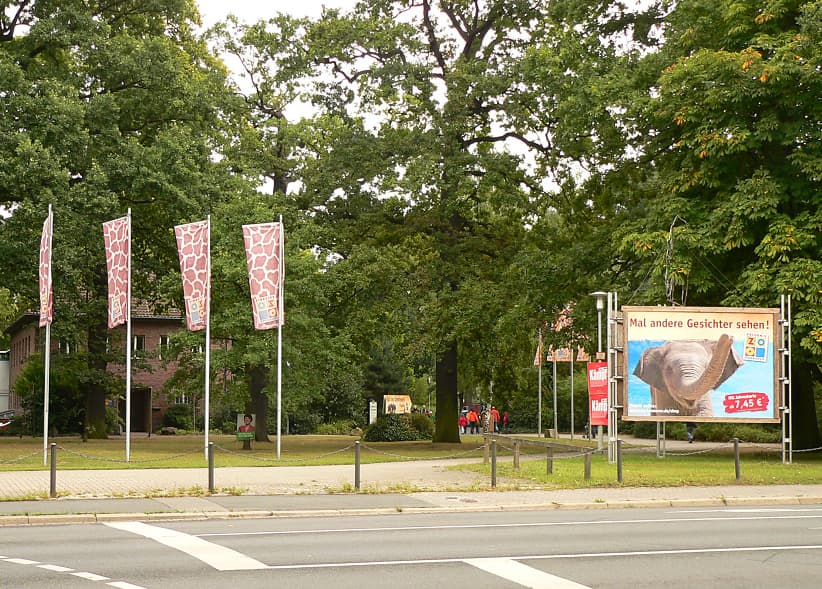
Hanover Zoo
Hanover Zoo, established in 1865, is a significant zoological institution in Hanover, Germany, renowned for its innovative "Concept Zoo 2000" transforming it into a leading attraction with immersive themed worlds. It plays a crucial role in wildlife conservation through various international breeding and reintroduction programs.

Rostock Zoo
Rostock Zoo, established in 1899, is the largest zoo on Germany's east coast, housing approximately 4,500 animals from 320 species across 56 hectares. It plays a significant role in wildlife conservation, notably serving as the studbook keeper for polar bears within the European Endangered Species Programme. The zoo features the expansive Darwineum, a modern exhibition dedicated to biodiversity and evolution.