
Hanover Zoo
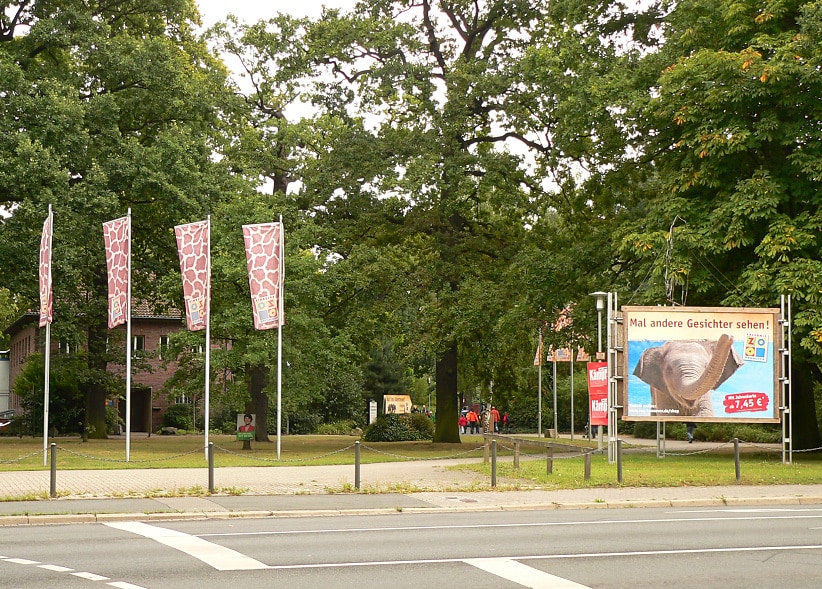
Hanover Zoo, established in 1865, is a significant zoological institution in Hanover, Germany, renowned for its innovative "Concept Zoo 2000" transforming it into a leading attraction with immersive themed worlds. It plays a crucial role in wildlife conservation through various international breeding and reintroduction programs.
Key Facts
- ›Established on May 4, 1865.
- ›Covers an area of 22 hectares (54 acres).
- ›Houses approximately 3,414 animals across 237 species.
- ›Employs over 400 staff during peak season.
- ›Features immersive theme worlds designed to minimize visible barriers.
- ›Recognized with the 'Best Zoo' award for 2009/2010.
Zambezi, Gorilla Mountain, Yukon Bay, Jungle Palace, Outback
Asian Elephants, African Elephants, Gorillas, Polar Bears, Addax
- European breeding project for the North African Ostrich and Addax
- Polar bear tracking near Hudson Bay
- Drill population conservation in Nigeria and Cameroon
- Protection of the Asian Elephant with the Biodiversity and Elephant Conservation Trust
- Conservation of old and endangered domestic breeds
About Hanover Zoo
Hanover Zoo is a prominent zoological park located in the Mitte borough of Hanover, Germany. Founded on May 4, 1865, it is one of Germany's oldest zoos. Initially established with private funding and later supported by a stock company, the zoo faced financial challenges throughout its history, including periods of government subsidies and temporary closures, notably following World War I and World War II.
History and Development
The zoo reopened in 1924, partly due to public demand and the involvement of the animal trading company Firma Ruhe, which took full ownership in 1932. Despite significant damage during World War II, parts of the zoo were restored, and it reopened in 1950. In subsequent decades, new enclosures were built, and the zoo became particularly renowned for its successful elephant breeding program. In 1972, the city of Hanover assumed ownership once more.
Facing declining visitor numbers in the early 1990s, the zoo underwent a significant transformation under the "Concept Zoo 2000." This initiative involved converting the zoo into a limited company, substantial investment, and a rebranding effort that focused on creating immersive, barrier-free environments. Since 2000, the zoo has seen consistently high visitor numbers, often exceeding one million annually.
Themed Worlds and Exhibits
A key feature of Hanover Zoo's modern concept is its themed worlds, designed to immerse visitors in the animals' natural habitats without visible enclosures. A 5-kilometer explorer path guides visitors through these distinct areas.
- Zambezi: Recreates the African savannah with an artificial river, featuring giraffes, rhinoceros, and other savannah animals. Boat rides are a central part of the experience here.
- Gorilla Mountain: A forest landscape with a waterfall, home to gorillas, gibbons, chimpanzees, and sloths.
- Yukon Bay: A Canadian-themed world accessed through a mine shaft, showcasing wolves, caribou, prairie dogs, and bison. Henry's Underwater World offers views of polar bears, seals, and penguins.
- Jungle Palace: An Indian rainforest exhibit themed as an abandoned Hindu temple, housing Asian elephants, tigers, leopards, and snakes.
- Outback: A themed farm exhibit featuring Australian animals like kangaroos, wombats, and emus.
- Mullewapp (Mollywoop): A dedicated children's area with a petting meadow and play structures.
- Meyer's Farm: Showcases rare old domestic breeds within historic Lower Saxony half-timbered buildings.
- Winter-Zoo (seasonal): During the Christmas season, certain areas are transformed with activities like ice-skating.
Conservation Efforts
Hanover Zoo actively participates in numerous international conservation initiatives. These include a European breeding project for the North African Ostrich and Addax, with a focus on reintroduction into their natural habitats in collaboration with organizations like the Sahara Conservation Fund. The zoo also supports polar bear research through Polar Bear International and works to protect drill populations in Nigeria and Cameroon. Furthermore, it partners with NGOs in Sri Lanka to protect Asian elephants and has a successful breeding program for this species. The zoo also plays a role in conserving European endangered domestic and farm animal breeds, housing various rare cattle, sheep, and goat breeds.
Source: Wikipedia ↗
Frequently Asked Questions
When was Hanover Zoo founded?
Hanover Zoo was established on May 4, 1865. It is the fifth-oldest zoo in Germany.
What is the size of Hanover Zoo?
The zoo covers an area of 22 hectares, which is equivalent to 54 acres.
How many animals and species are at Hanover Zoo?
Hanover Zoo is home to approximately 3,414 individual animals representing 237 different species.
What is the "Concept Zoo 2000"?
Concept Zoo 2000 was a development strategy initiated in the mid-1990s to revitalize the zoo. It led to significant investment and the creation of themed worlds that enhance the visitor experience.
What are some of the notable theme worlds at Hanover Zoo?
Notable theme worlds include Zambezi (African savannah), Gorilla Mountain, Yukon Bay (Canadian), Jungle Palace (Indian rainforest), and Outback (Australian). These areas showcase animals in scenic, naturalistic settings.
Does Hanover Zoo participate in conservation efforts?
Yes, Hanover Zoo is actively involved in numerous conservation programs. These include breeding projects for species like the Addax and North African Ostrich, tracking polar bears, and working to protect Asian elephants and drills.
Related Zoos
Berlin Zoological Garden
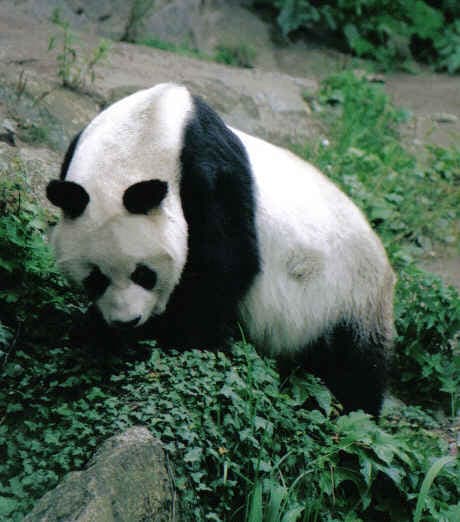
The Berlin Zoological Garden, established in 1844, is Germany's oldest and most renowned zoo. It boasts one of the world's most extensive species collections, housing over 20,200 animals across approximately 1,380 species. The zoo is a significant European tourist attraction, drawing millions of visitors annually and playing a vital role in international conservation efforts through breeding programs and species reintroduction.

Cologne Zoological Garden
The Cologne Zoological Garden is a historic zoo in Cologne, Germany, founded in 1860. It is one of Germany's oldest zoos, housing over 10,000 animals from more than 850 species across 20 hectares, and is notable for its active participation in conservation breeding programs for endangered species and in-situ conservation efforts.

Rostock Zoo
Rostock Zoo, established in 1899, is the largest zoo on Germany's east coast, housing approximately 4,500 animals from 320 species across 56 hectares. It plays a significant role in wildlife conservation, notably serving as the studbook keeper for polar bears within the European Endangered Species Programme. The zoo features the expansive Darwineum, a modern exhibition dedicated to biodiversity and evolution.