
Cologne Zoological Garden
The Cologne Zoological Garden is a historic zoo in Cologne, Germany, founded in 1860. It is one of Germany's oldest zoos, housing over 10,000 animals from more than 850 species across 20 hectares, and is notable for its active participation in conservation breeding programs for endangered species and in-situ conservation efforts.
Key Facts
- ›Founded in 1860 by a shareholding company.
- ›Covers an area of over 20 hectares (approximately 49.4 acres).
- ›Home to over 10,000 individual animals.
- ›Features more than 850 different species.
- ›Includes an attached aquarium and invertebrate exhibit.
- ›Active in preservational breeding and in-wild conservation efforts.

Great Ape Jungle House, Baboon Rock, Rainforest Hall, Hippodom, Aquarium, Elephant Park
Western Lowland Gorillas, Orangutans, Bonobos, Pygmy Marmosets, King Colobus, Lion-Tailed Macaques, Hamadryas Baboons, Red Howlers, Golden Lion Tamarins, Palm Cockatoos, Blue-Faced Honeyeaters, Bali Mynahs, Wrinkled Hornbills, Asian Small-Clawed Otters, Lar Gibbons, Asian Elephants, Common Hippopotamuses, Nile Crocodiles, Przewalski's Horses
- Preservational Breeding of Endangered Animals
- In-the-Wild Conservation Efforts
- Research focusing on animals of Madagascar, Wallacea, and Vietnam
- Cooperation with Cologne University for local projects
- Przewalski's Horses Captive Breeding Project
- Psychedelic Rock Gecko Captive Breeding Project
- European Endangered Species Programme
About Cologne Zoological Garden
The Cologne Zoological Garden, located in Cologne, Germany, is one of the country's oldest zoological institutions, with its origins dating back to 1860. Founded by a shareholding company of local citizens and initially directed by biologist Heinrich Bodinus, the zoo has evolved significantly over its history, overcoming periods of stagnation and destruction, particularly during the World Wars.
History and Development
Initially, the zoo was characterized by ornately designed animal enclosures, such as the elephant house resembling a Moorish temple and the bird house styled like a Russian cathedral. The zoo's layout was also influenced by Carl Hagenbeck's innovative enclosure designs. Despite a successful start, the World Wars led to economic hardship and developmental slowdowns. Following severe destruction during World War II, the zoo was rebuilt and reopened in 1947. The post-war era saw extensive modernization, including an expansion of its grounds in 1960 and the establishment of the first education center in a European zoo in 1963. Significant new exhibits, considered revolutionary at the time, were introduced from 1981 onwards, including a great ape tropical house, a Southeast Asian rainforest house, and an open-air Asian elephant enclosure. The zoo also fostered a Friends of the Zoo organization in 1982 and launched the first European Endangered Species Programme in 1985.
Notable Exhibits and Animals
The Cologne Zoological Garden is known for its diverse range of exhibits. The Great Ape Jungle House, an early immersion exhibit, houses species like western lowland gorillas and orangutans. The Baboon Rock, a prominent feature since 1914, is home to a troop of hamadryas baboons. The Rainforest Hall showcases animals from Southeast Asia, including various bird species and mammals like lar gibbons. The Pachyderm section features an Asian elephant park and the Hippodom, which houses common hippopotamuses and Nile crocodiles. The zoo's aquarium, opened in 1971, is a significant attraction, featuring an insectarium, coral reef tanks, and displays of native Rhine fish.
Conservation and Research
The zoo plays a crucial role in wildlife conservation, actively participating in breeding programs for endangered animals and supporting in-wild conservation efforts. Its research focuses on species from regions like Madagascar, Wallacea, and Vietnam, often in collaboration with Cologne University and local projects. Notable conservation initiatives include breeding programs for Przewalski's horses and the Psychedelic rock gecko.
Source: Wikipedia ↗
Frequently Asked Questions
When was the Cologne Zoological Garden founded?
The Cologne Zoological Garden was founded in 1860 by a shareholding company organized by local citizens. Biologist Heinrich Bodinus was appointed as its first director.
How large is the Cologne Zoological Garden?
The zoo covers an area of more than 20 hectares. Its grounds expanded from 11 to 18.8 hectares in 1960, and further development has occurred since then.
How many animals and species are at the Cologne Zoological Garden?
The zoo houses over 10,000 individual animals representing more than 850 different species. This diverse collection includes mammals, birds, reptiles, amphibians, fish, and invertebrates.
What are some notable exhibits at the Cologne Zoological Garden?
Notable exhibits include the great ape jungle house, the baboon rock, the rainforest hall featuring Southeast Asian fauna, the Hippodom for hippos and crocodiles, and an extensive aquarium with an insectarium and various specialized tanks.
Does the Cologne Zoological Garden focus on conservation?
Yes, the zoo is actively involved in preservational breeding of animals that are in danger of becoming extinct. It also actively promotes and supports in-the-wild conservation efforts and research, particularly focusing on animals from Madagascar, Wallacea, and Vietnam.
What historical challenges has the zoo faced?
The zoo experienced phases of stagnation due to the World Wars, suffering economic losses and development slowdown, with many animals lacking adequate food supply. Following World War II, the zoo was heavily destroyed and had to close for two years before reopening in 1947.
Related Zoos
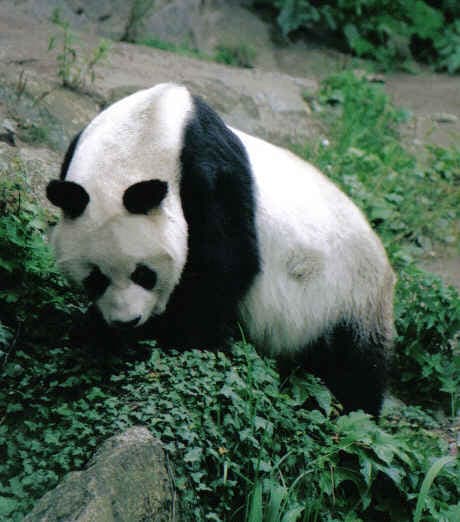
Berlin Zoological Garden
The Berlin Zoological Garden, established in 1844, is Germany's oldest and most renowned zoo. It boasts one of the world's most extensive species collections, housing over 20,200 animals across approximately 1,380 species. The zoo is a significant European tourist attraction, drawing millions of visitors annually and playing a vital role in international conservation efforts through breeding programs and species reintroduction.
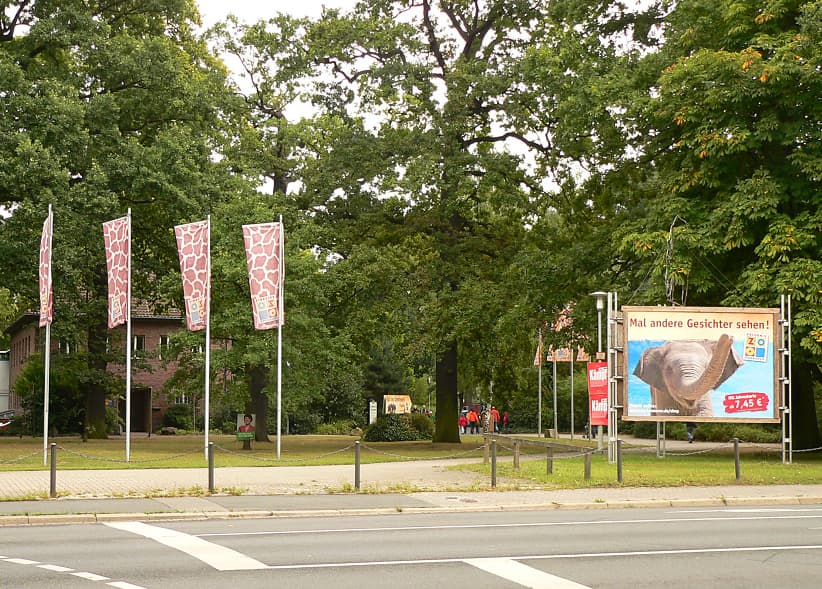
Hanover Zoo
Hanover Zoo, established in 1865, is a significant zoological institution in Hanover, Germany, renowned for its innovative "Concept Zoo 2000" transforming it into a leading attraction with immersive themed worlds. It plays a crucial role in wildlife conservation through various international breeding and reintroduction programs.

Rostock Zoo
Rostock Zoo, established in 1899, is the largest zoo on Germany's east coast, housing approximately 4,500 animals from 320 species across 56 hectares. It plays a significant role in wildlife conservation, notably serving as the studbook keeper for polar bears within the European Endangered Species Programme. The zoo features the expansive Darwineum, a modern exhibition dedicated to biodiversity and evolution.