
Dresden Zoo
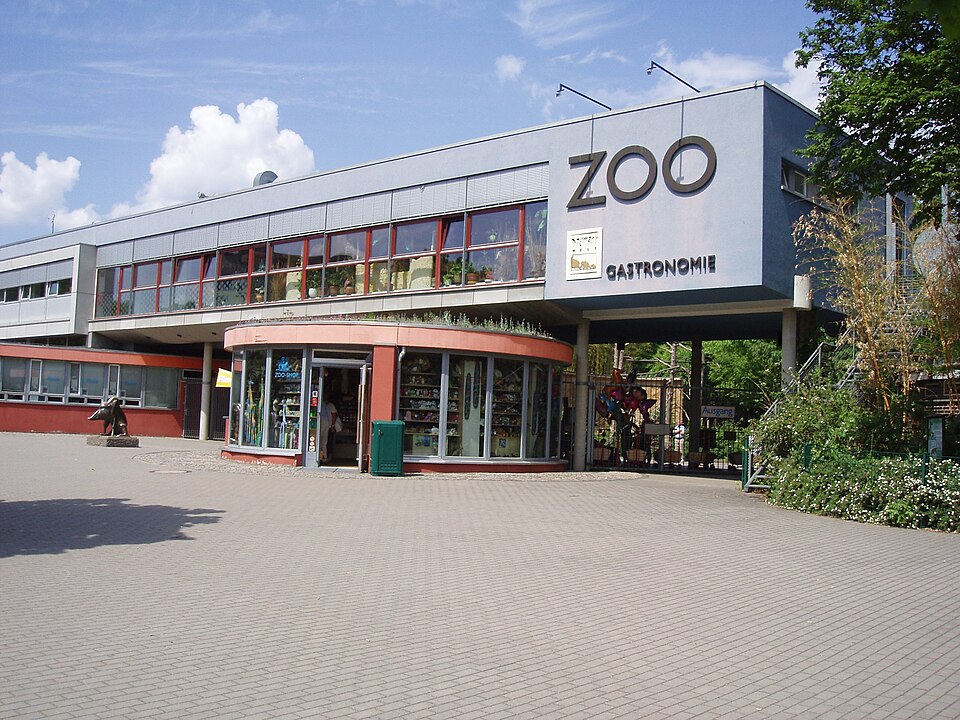
Dresden Zoo, established in 1861, is Germany's fourth-oldest zoo and is situated on the southern edge of the Großer Garten in Dresden, Germany. It is renowned for its significant collection of Asian animals and its pioneering work in observing and documenting the natural rearing of great apes, particularly orangutans.
Key Facts
- ›Founded in 1861, making it Germany's fourth-oldest zoo.
- ›Located in Dresden, Germany, on the southern edge of the Großer Garten.
- ›Houses approximately 3,000 animals representing nearly 400 species, with a focus on Asian animals.
- ›Designed by landscape architect Peter Joseph Lenné and architect Carl Adolph Canzler.
- ›Gained worldwide attention in 1927 for observing and documenting the natural rearing of orangutans.
- ›A member of the World Association of Zoos and Aquariums (WAZA) and the European Association of Zoos and Aquaria (EAZA).
Great Apes
About Dresden Zoo
Dresden Zoo, also known as Zoo Dresden, is a significant zoological institution located in Dresden, Germany. Established in 1861, it holds the distinction of being Germany's fourth-oldest zoo. Its origins trace back to a committee formed in 1859, in collaboration with the city administration, to establish the facility. Landscape architect Peter Joseph Lenné played a crucial role in its design, with architect Carl Adolph Canzler overseeing the construction of its buildings. A portion of the royal Great Garden was made available for the zoo, which officially opened its gates on May 9, 1861.
Early Development and Key Achievements
The zoo's initial leadership was under its first director, Albin Schoepf, who was supported by his son, Adolph Schoepf, who also later served as director. Since 1873, Dresden Zoo has been notable for its care of great apes, with a particular focus on orangutans. The zoo achieved international acclaim in 1927 for its groundbreaking observations and documentation of the natural rearing of orangutans by their mothers. This period of detailed study contributed significantly to the understanding of primate behavior in captivity.
Modern Era and Focus
Gustav Brandes, who led the zoo from 1910 to 1934, was instrumental in transforming it into a modern zoological facility. He shifted the focus from a mere animal exhibition to creating species-appropriate environments that more closely resembled natural habitats. The zoo's current collection comprises approximately 3,000 animals, representing nearly 400 species, with a notable emphasis on Asian animals. Dresden Zoo is an active participant in international zoological communities, holding memberships in the World Association of Zoos and Aquariums (WAZA) and the European Association of Zoos and Aquaria (EAZA).
Location and Accessibility
The zoo is situated on the southern periphery of the Großer Garten, a substantial park within the city center. It is easily accessible via public transportation, with tram lines 9 and 13 serving its southern side. Additionally, the Zoo station of the Dresdner Parkeisenbahn, a narrow-gauge railway that traverses the Großer Garten and is largely operated by children, is located on its northern side, providing a unique way to approach the attraction.
Source: Wikipedia ↗
Frequently Asked Questions
When was Dresden Zoo founded?
Dresden Zoo was founded in 1861. Its establishment was initiated by a committee formed at the suggestion of the Dresden "Association for Chicken Breeding" in collaboration with the city administration.
Where is Dresden Zoo located?
Dresden Zoo is located in the city of Dresden, Germany. It is situated on the southern edge of the Großer Garten, a large city park.
What is Dresden Zoo known for regarding animal observation?
Dresden Zoo gained significant international recognition in 1927 for its detailed observation and documentation of the natural rearing of great apes, particularly orangutans. This marked a milestone in understanding primate behavior.
What is the size of Dresden Zoo's animal collection?
Dresden Zoo houses approximately 3,000 animals. These animals represent almost 400 different species, with a particular emphasis on Asian wildlife.
Who were the key figures involved in the zoo's founding and early development?
Peter Joseph Lenné served as the landscape architect, and Carl Adolph Canzler was responsible for the zoo's buildings. The zoo's first director was Albin Schoepf, who was assisted by his son Adolph Schoepf, who later became a director himself.
Related Zoos
Berlin Zoological Garden
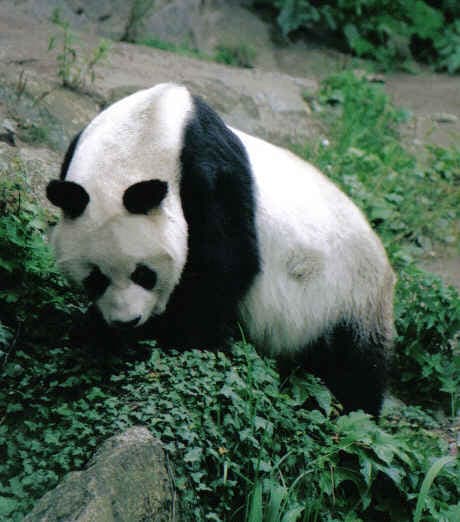
The Berlin Zoological Garden, established in 1844, is Germany's oldest and most renowned zoo. It boasts one of the world's most extensive species collections, housing over 20,200 animals across approximately 1,380 species. The zoo is a significant European tourist attraction, drawing millions of visitors annually and playing a vital role in international conservation efforts through breeding programs and species reintroduction.

Cologne Zoological Garden
The Cologne Zoological Garden is a historic zoo in Cologne, Germany, founded in 1860. It is one of Germany's oldest zoos, housing over 10,000 animals from more than 850 species across 20 hectares, and is notable for its active participation in conservation breeding programs for endangered species and in-situ conservation efforts.

Frankfurt Zoological Garden
The Frankfurt Zoological Garden is a prominent zoo located in Frankfurt, Germany, known for its extensive collection of animals and its historical significance as the second oldest zoo in the country. It plays a role in animal conservation and education, serving as a key institution for the public display and study of diverse species.