
El Nido
El Nido, also known as The Nest, is a significant aviary located in Ixtapaluca, Mexico, dedicated to the preservation of over 300 species of birds, many of which are endangered. Founded in the 1960s by veterinarian Jesús López Estudillo, it has evolved into a leading center for bird conservation, breeding, and environmental education, opening to the public in 2003.
Key Facts
- ›Founded by veterinarian Jesús López Estudillo in the 1960s.
- ›Home to over 300 species of birds, including Mexican and international varieties.
- ›The Nest is recognized as the most diverse aviary globally and the third largest in Latin America.
- ›Its logo features the quetzal, a bird whose captive breeding was first achieved by Dr. López Estudillo.
- ›The facility spans eight acres and contains 10,000 trees and plants.
- ›Opened to the public in 2003 as an environmental education center.
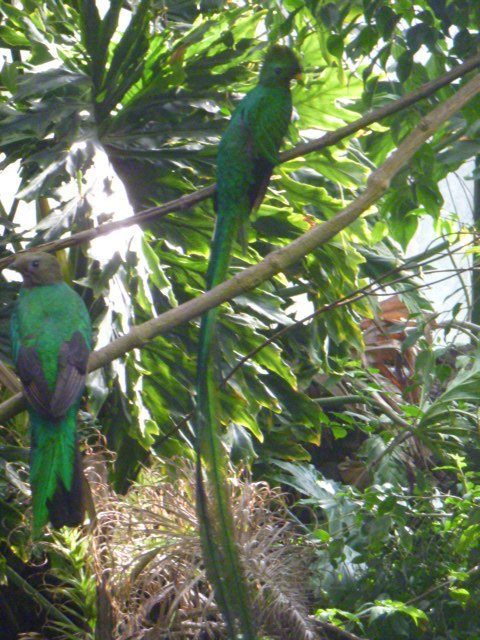
Quetzal Breeding Area, Cats, Primates, Raptors, Exotic Birds
Quetzal
- Captive breeding of endangered bird species
- Recreation of natural habitats for captive animals
About El Nido
El Nido: A Sanctuary for Birds and Biodiversity
El Nido, also known by its Spanish name "El Nido" (The Nest), is a renowned aviary and conservation center situated in Ixtapaluca, within the state of Mexico. Established in the 1960s by the dedicated veterinarian Jesús López Estudillo, El Nido began as a private initiative to preserve avian life. It has since grown into a significant civil association, formerly recognized as Wildlife (Vida Silvestre), committed to safeguarding over 300 distinct species of birds. These species represent a diverse range from Mexico, South America, Africa, and Asia, with a particular emphasis on those facing endangerment.
History and Mission
The genesis of El Nido traces back to the 1960s when Dr. López Estudillo acquired eight acres of land populated with 10,000 trees and plants. His vision was to create a space for research, conservation, and breeding of endangered birds. Driven by a profound passion, he dedicated himself to bringing endangered avian species together and conducting experiments to meticulously recreate their natural habitats within captivity. This allowed for detailed observation of their behaviors, which in turn informed the development of projects aimed at reproduction and repopulation for species threatened by human activities and climate change.
Initially, access to El Nido was primarily for the scientific community specializing in ornithology. However, recognizing the critical need for broader awareness and information sharing, the site was opened to the public in 2003. It now serves as an environmental education center, facilitating human interaction with nature and specifically targeting younger generations to instill an understanding of the vital importance of conserving these species.
Global Recognition and Conservation Achievements
El Nido holds the distinction of being the most diverse aviary in the world and ranks as the third largest in Latin America. Its iconic logo features the quetzal, a bird of immense cultural significance. Dr. Jesús López Estudillo achieved a groundbreaking milestone by being the first to successfully breed the quetzal in captivity, a feat that was particularly noteworthy given the bird's historical reputation for being unable to survive outside its native habitat. The incubator birth of a quetzal chick in 2012 garnered significant attention, highlighting the challenges and triumphs associated with breeding this species, which typically has only one breeding season per year where the female produces two eggs.
Expanding Zoological Collections
Beyond its primary focus on birds, El Nido has expanded its conservation efforts to include other animal groups facing extinction. The facility now houses exhibition areas for cats, including species like the jaguar, tiger, and panther, which are among the most endangered animals globally. It also provides a dedicated space for primates, featuring animals such as the spider monkey and ape. Additionally, El Nido has an area for raptors, showcasing birds of prey like falcons, hawks, owls, and the golden eagle, as well as a diverse collection of exotic birds adapted to various ecosystems, including species from Mexico and other continents like toucans, herons, flamingos, peacocks, and macaws.
Source: Wikipedia ↗
Frequently Asked Questions
What is El Nido?
El Nido, also known as The Nest, is a large aviary and conservation center located in Ixtapaluca, Mexico. It was founded by veterinarian Jesús López Estudillo in the 1960s with the primary goal of preserving endangered bird species.
When was El Nido founded?
El Nido was founded in the 1960s by veterinarian Jesús López Estudillo. He initially purchased eight acres of land to establish a research and breeding center for endangered birds.
What is special about El Nido's quetzal program?
The quetzal is the representative bird of El Nido and features in its logo because Dr. Jesús López Estudillo was the first to successfully achieve captive breeding of this species. The incubator birth of a quetzal chick was notably aired online in 2012.
When did El Nido open to the public?
El Nido opened its doors to the public in 2003. This transition allowed it to function as an environmental education center, aiming to teach younger generations about the importance of species conservation.
What other animals can be found at El Nido?
In addition to its extensive bird collection, El Nido also features exhibition areas for other animals. These include cats like jaguars and tigers, primates such as spider monkeys, birds of prey like golden eagles, and a variety of exotic birds from different ecosystems.
Related Zoos

Africam Safari
Africam Safari is a Mexican zoological park established in 1972 by Captain Carlos Camacho Espíritu. Located near Puebla, it aims to provide a naturalistic environment for animals to thrive and reproduce, allowing visitors to observe them in habitats that closely mimic their wild surroundings. The park is recognized by major zoological associations like AZA and WAZA.

Guadalajara Zoo
Zoológico Guadalajara, also known as Guadalajara Zoo, is the primary zoological park in Guadalajara, Jalisco, and is recognized as one of Latin America's most significant. It is the largest zoo in Mexico by species population and is situated within the natural setting of the Barranca de Oblatos (Huentitan Canyon), a site the zoo actively works to preserve.
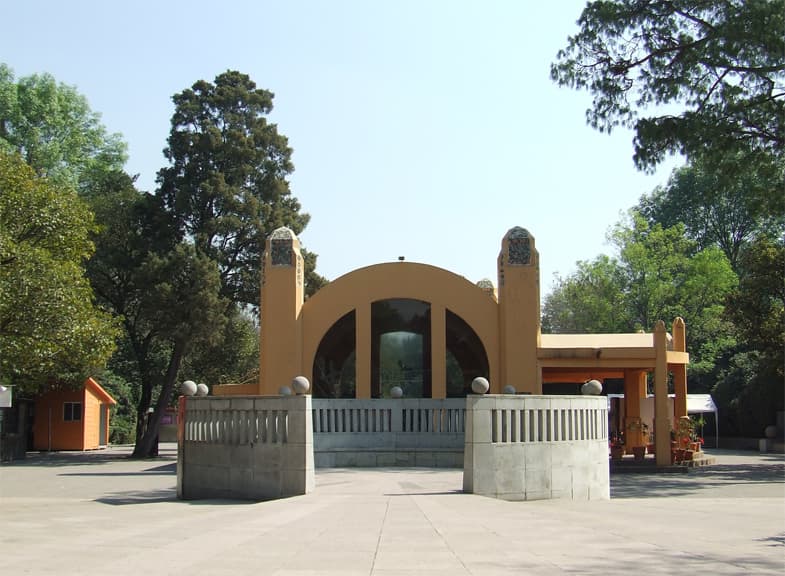
Chapultepec Zoo
Chapultepec Zoo, also known as Zoológico de Chapultepec, is a prominent zoo located in Mexico City's Chapultepec Park. Established in 1923, it is renowned for its significant contributions to conservation, particularly its groundbreaking success in breeding giant pandas outside of China and its efforts with the critically endangered Mexican wolf and California condor.