
Hellabrunn Zoo
Hellabrunn Zoo, also known as Tierpark Hellabrunn, is a 40-hectare zoological garden located in Munich, Germany. It holds the distinction of being the world's first zoo organized by geographical regions rather than by species, fostering unique cohabitation among diverse animals. The zoo is a significant player in conservation efforts, focusing on breeding rare species and participating in international endangered species programs.
Key Facts
- ›Covers an area of 40 hectares (99 acres).
- ›Founded on February 25, 1905, and opened to the public on August 1, 1911.
- ›Pioneered the 'Geo-Zoo' concept, grouping animals by geographical origin.
- ›Ranked fourth best zoo in Europe in 2013.
- ›Focuses on conservation and captive breeding of rare species.
- ›One of the few zoos that allows visitors to bring dogs.

Elephant House, Jungle House, Savannah House, Aquarium, Dracula's Villa, Polarium
Drill, Silvery Gibbons, Gorillas, Giraffes, Elephants, Wood Bisons, Elk, Arctic Foxes
European Endangered Species Programme
About Hellabrunn Zoo
Hellabrunn Zoo, officially known as Tierpark Hellabrunn, is a prominent zoological garden situated in Munich, Germany, on the right bank of the Isar River. Established on August 1, 1911, the zoo spans 40 hectares (99 acres) and is recognized globally for its innovative approach to zoo design.
Founding and Innovation
The zoo's origins trace back to the founding of the Verein Zoologischer Garten München e.V. on February 25, 1905. Designed by architect Emanuel von Seidl, Hellabrunn Zoo opened its doors to the public with a revolutionary concept: it was the world's first zoo organized by geographical regions, rather than by animal species. This unique structure allows animals from similar geographic areas to be housed together, creating a more naturalistic environment. Despite a closure due to inflation in 1922 and reopening in 1928, this 'Geo-Zoo' model has remained a defining characteristic.
Conservation and Breeding
Hellabrunn Zoo places a strong emphasis on wildlife conservation and captive breeding programs. It actively participates in breeding rare species such as the drill and silvery gibbons, and has seen successful breeding of animals like gorillas, giraffes, elephants, wood bisons, elk, and Arctic foxes. The zoo is a member of the European Association of Zoos and Aquaria (EAZA) and the World Association of Zoos and Aquariums (WAZA), and it contributes to the European Endangered Species Programme (EEP).
Modern Operations and Attractions
In recent years, Hellabrunn Zoo has undergone renovations and continues to house thousands of animals across hundreds of species. Visitors can explore a variety of themed houses, including the Elephant House, the Jungle House featuring primates and alligators, and the Savannah House where giraffes are visible through a glass wall. The zoo also boasts an aquarium with piranha feedings and the distinctive 'Dracula's Villa' where bats fly freely. A unique policy of Hellabrunn Zoo is its allowance of visitors to bring their dogs, making it one of the few zoos globally to offer this amenity.
Source: Wikipedia ↗
Frequently Asked Questions
When was Hellabrunn Zoo founded?
Hellabrunn Zoo was founded on February 25, 1905. The society responsible for its establishment was the Verein Zoologischer Garten München e.V.
What is unique about Hellabrunn Zoo's organization?
Hellabrunn Zoo was the first zoo in the world to be organized by geographical aspects, rather than by species. This means animals from the same region are housed together, even if they are different species.
What conservation efforts does Hellabrunn Zoo participate in?
Hellabrunn Zoo actively participates in breeding, reintroduction, and conservation projects. It is a member of the European Association of Zoos and Aquaria (EAZA) and the World Association of Zoos and Aquariums (WAZA), and it participates in the European Endangered Species Programme (EEP).
What are some notable attractions at Hellabrunn Zoo?
Notable attractions include the Elephant House, the Jungle House with gorillas and chimpanzees, the Savannah House offering close views of giraffes, and an aquarium with piranha feedings. 'Dracula's Villa,' where bats fly among visitors, is also a unique feature.
How large is Hellabrunn Zoo?
Hellabrunn Zoo covers an area of 40 hectares, which is equivalent to 99 acres.
Does Hellabrunn Zoo have an aquarium?
Yes, Hellabrunn Zoo features an aquarium that includes piranha feedings as one of its attractions.
Related Zoos
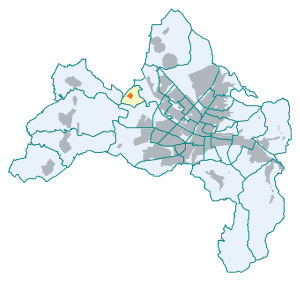
Mundenhof Animal Park
Mundenhof Animal Park is a well-visited zoo located on the western edge of Freiburg im Breisgau, Germany. Established as an outdoor zoo in 1968, it focuses on showcasing endangered domesticated species and some undomesticated animals from around the world. The park is notable for its free entry, reliance on donations, and its role as part of Freiburg's green city initiative.

Rostock Zoo
Rostock Zoo, established in 1899, is the largest zoo on Germany's east coast, housing approximately 4,500 animals from 320 species across 56 hectares. It plays a significant role in wildlife conservation, notably serving as the studbook keeper for polar bears within the European Endangered Species Programme. The zoo features the expansive Darwineum, a modern exhibition dedicated to biodiversity and evolution.

Mannheim Luisenpark
The Luisenpark is a large municipal park in Mannheim, Germany, renowned for its diverse attractions and historical significance. Originally established with a bequest for a new park, it has evolved into a major leisure and cultural destination, featuring historic gardens, modern greenhouses, and a significant Chinese garden.