
Mundenhof Animal Park
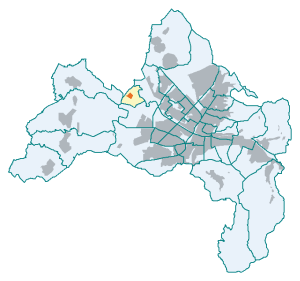
Mundenhof Animal Park is a well-visited zoo located on the western edge of Freiburg im Breisgau, Germany. Established as an outdoor zoo in 1968, it focuses on showcasing endangered domesticated species and some undomesticated animals from around the world. The park is notable for its free entry, reliance on donations, and its role as part of Freiburg's green city initiative.
Key Facts
- ›The Mundenhof estate has documented references dating back to September 12, 864.
- ›The zoo was converted from the estate grounds and opened to the public on September 28, 1968.
- ›It is the largest zoo in Baden-Württemberg, covering 38 hectares (approximately 94 acres).
- ›The zoo houses approximately 30 different species and around 180 individual animals.
- ›Mundenhof prioritizes the care and display of endangered domesticated species.
- ›Entry to the zoo is free, with operations funded by donations and parking fees.
- Eight sections showcasing species specific to particular continents
- Aquarium and terrarium section with 3 terrariums and 12 pools
Peacocks, Gibbons, Crab-Eating Macaques, Emus, Ostriches, Alpacas, Yaks, Llamas
- Care and display of endangered domesticated species
About Mundenhof Animal Park
Mundenhof Animal Park is a significant green space and a popular attraction located on the western outskirts of Freiburg im Breisgau, Germany. First documented in 864 AD as the Mundenhof estate, the area was transformed into a small outdoor zoo, known as a Tiergehege, in 1968. The park's primary mission is to care for and exhibit endangered domesticated species from across the globe, alongside a selection of undomesticated animals, contributing to conservation efforts.
History and Development
The Mundenhof estate boasts a rich historical lineage. From 1294 to 1806, it was under the ownership of the monastery of Günterstal. Following secularization, it passed through various hands, including the Grand Duchy of Baden and the University of Freiburg, before the city of Freiburg acquired a substantial portion in 1889. Initially utilized for agriculture and as part of a large water purification plant, the site faced economic challenges when the purification plant ceased operations in 1985. This led to its transformation into a model ecological farm to ensure its survival.
The Zoo Today
Opened to the public in 1968, Mundenhof Animal Park is now the largest zoo in the German state of Baden-Württemberg, encompassing 38 hectares. It is divided into eight thematic sections, each representing species from specific continents. The park's collection includes approximately 30 species, totaling around 180 individual animals. Notable residents include peacocks, gibbons, crab-eating macaques, emus, ostriches, alpacas, yaks, and llamas.
Complementing the main zoo is a dedicated aquarium and terrarium section, housed in a converted former horse barn. This facility features three terrariums and twelve pools, some of which are saltwater and others freshwater, showcasing a variety of aquatic and reptilian life. The park also offers scenic walking paths with views of the surrounding landscape and the city of Freiburg.
Visitor Experience and Funding
A distinctive feature of Mundenhof Animal Park is its accessibility; entry is free of charge, making it a widely visited destination. The park relies heavily on donations to sustain its operations, with a parking fee also contributing to its revenue. Additional attractions include the Hofwirtschaft restaurant, a children's playground, and the opportunity to observe storks nesting on the grounds. The park is accessible via public transport, with Bus line 19 serving the location.
Source: Wikipedia ↗
Frequently Asked Questions
When was the Mundenhof first documented?
The earliest documented reference to the Mundenhof estate is from September 12, 864. This historical record indicates it was a deed of gift from a priest named Rumolt to the Abbey of Saint Gall for agricultural purposes.
What is the history of the Mundenhof estate?
The Mundenhof estate has a long history, belonging to the monastery of Günterstal from 1294 to 1806. It was later sold to the University of Freiburg in 1808 and then largely purchased by the city of Freiburg in 1889 for agricultural use and as part of a water purification plant.
When did the Mundenhof become a zoo?
The grounds of the Mundenhof were converted into a small outdoor zoo, known as a Tiergehege, in 1968. The zoo was opened to the public on September 28, 1968, with strong support from Eugen Keidel, the mayor of Freiburg at the time.
What kind of animals can be seen at the Mundenhof?
Mundenhof Animal Park displays domesticated species from around the world, with a top priority placed on endangered domesticated breeds. Visitors can also observe some undomesticated species, including peacocks, gibbons, crab-eating macaques, emus, ostriches, alpacas, yaks, and llamas.
Does the Mundenhof have an aquarium or terrarium?
Yes, the Mundenhof features an aquarium and terrarium section. A former horse barn was converted to house 3 terrariums and 12 pools, ranging in size and containing both salt and fresh water.
Is there an entrance fee for the Mundenhof?
No, there is no entrance fee to visit the Mundenhof Animal Park. The zoo is financed by donations from visitors and the public. A parking fee is another source of revenue for the park.
What are some other attractions at Mundenhof?
Beyond the animal enclosures, Mundenhof offers several attractions. These include a restaurant called Hofwirtschaft, a playground, and the opportunity to observe storks nesting on the grounds, often visible with binoculars. The park also features interconnecting paths with scenic viewpoints.
Related Zoos

Hellabrunn Zoo
Hellabrunn Zoo, also known as Tierpark Hellabrunn, is a 40-hectare zoological garden located in Munich, Germany. It holds the distinction of being the world's first zoo organized by geographical regions rather than by species, fostering unique cohabitation among diverse animals. The zoo is a significant player in conservation efforts, focusing on breeding rare species and participating in international endangered species programs.

Rostock Zoo
Rostock Zoo, established in 1899, is the largest zoo on Germany's east coast, housing approximately 4,500 animals from 320 species across 56 hectares. It plays a significant role in wildlife conservation, notably serving as the studbook keeper for polar bears within the European Endangered Species Programme. The zoo features the expansive Darwineum, a modern exhibition dedicated to biodiversity and evolution.

Mannheim Luisenpark
The Luisenpark is a large municipal park in Mannheim, Germany, renowned for its diverse attractions and historical significance. Originally established with a bequest for a new park, it has evolved into a major leisure and cultural destination, featuring historic gardens, modern greenhouses, and a significant Chinese garden.