
Ipswich Nature Centre
Queens Park is a significant heritage-listed botanic garden and park located in Ipswich, Queensland, Australia, with a history dating back to its establishment as a public recreation and botanic garden reserve in 1858. It has evolved over time, incorporating scientific and recreational purposes, and now houses the Ipswich Nature Centre, showcasing native Australian wildlife.
Key Facts
- ›Established as a public recreation and botanic garden reserve in 1858.
- ›Covers a significant area that has been reduced from its original size over time.
- ›Features a variety of native Australian animals at the Ipswich Nature Centre.
- ›Includes historical elements such as a Walter Burley Griffin incinerator and various sporting facilities.
- ›Recognized for its aesthetic significance and strong association with the Ipswich community.
- ›Has a history of serving scientific and economic purposes, acting as an experimental station and propagating garden.

Ipswich Nature Centre, Walter Burley Griffin Incinerator
Tiger Quolls, Dingoes, Southern Hairy-Nosed Wombats, Greater Bilbies, Wedge-Tailed Eagles
About Ipswich Nature Centre
Queens Park, Ipswich
Queens Park, located in Ipswich, Queensland, Australia, is a significant heritage-listed botanic garden and park with a history stretching back to the mid-19th century. Established as a reserve for public recreation and botanic gardens, its development began in earnest from around 1864.
History and Development
The land for Queens Park was first designated as a reserve for public recreation and botanic gardens in 1842, though it was not developed at that time. By 1858, a proposed reserve in the current area was approved, and a Deed of Grant for 207 acres was recorded in 1862. Initially, the park served a dual purpose, functioning as a scientific and commercial horticultural experimental station and propagating garden, while also providing a space for public recreation. Early plans for the park layout were supplied by Walter Hill, Director of the Brisbane Botanic Gardens, and the park saw the addition of features like a bush house and a band rotunda in the late 19th century.
The park's area has been reduced over time due to land resumption for infrastructure like the railway. It was transferred to Ipswich City Council in 1893. In the 20th century, Queens Park became a hub for various sporting associations, including the Ipswich Croquet Club, Ipswich Bowling Club, and Ipswich Lawn Tennis Association, which established facilities within the park. Under the curatorship of F.W. Turley starting in 1915, significant planting efforts were undertaken, including popularizing bougainvillea, with one variety named 'Turley's Special' in his honor.
During the 1930s Depression, large-scale works were carried out by relief labor, including the construction of walls and terracing. Enclosures for a menagerie were built in 1936, housing animals such as emus, kangaroos, ducks, koalas, dingos, and foxes. A notable architectural addition was the Walter Burley Griffin Incinerator, constructed in 1935, which has since been adapted into the Incinerator Theatre.
Description and Features
Queens Park is characterized by its natural landform, including two ridges of silicified magnesian limestone, which have been incorporated into stonework features throughout the park. The park contains a variety of mature plantings, including native trees like hoop and bunya pines, as well as fig trees and bottle trees. Many of F.W. Turley's plantings, such as the bougainvillea and trees lining Brisbane Road, are still present.
The park is home to the Ipswich Nature Centre, which houses a number of native Australian animal species, including tiger quolls, dingoes, southern hairy-nosed wombats, swamp wallabies, red kangaroos, greater bilbies, emus, wedge-tailed eagles, lace monitors, and spotted pythons. Several buildings are situated within the park, including the Curator's House, the Incinerator Theatre, and clubhouses for the sporting associations.
Queens Park also features several memorials, such as the Macfarlane Memorial, the WB Darker Memorial Rotunda, and the Naval Monument. Other built features include an open-air wedding chapel, a kiosk, and a children's playground. The park's aesthetic significance is recognized, with its gentle slopes and elevated position contributing to the visual character of Ipswich. It holds a strong association with the people of Ipswich as a place for recreation and community gathering.
Source: Wikipedia ↗
Frequently Asked Questions
What is Queens Park and where is it located?
Queens Park is a heritage-listed botanic garden and park situated in Ipswich, Queensland, Australia, at Milford Street. It serves as a central section of a reserve originally granted for public recreation and as a botanic garden.
When was Queens Park established?
The reserve that forms Queens Park was initially set aside in 1842, with the proposed reserve being approved in 1858 and a Deed of Grant for 207 acres recorded in 1862. The park began to be developed from c. 1864.
What kind of facilities are available at Queens Park?
Queens Park offers a range of facilities including sporting grounds for croquet, bowls, and lawn tennis, the Walter Burley Griffin Incinerator (now the Incinerator Theatre), a curator's house, and the Ipswich Nature Centre. It also features gardens, memorials, and children's play areas.
What can visitors see at the Ipswich Nature Centre?
The Ipswich Nature Centre, located within Queens Park, features a variety of native Australian animal species. These include tiger quolls, dingoes, southern hairy-nosed wombats, swamp wallabies, red kangaroos, greater bilbies, emus, wedge-tailed eagles, lace monitors, and spotted pythons, among many other birds, mammals, and reptiles.
What historical significance does Queens Park hold?
Queens Park is important for demonstrating the evolution of Queensland's history, particularly in its development as an early park reserve for scientific, economic, and recreational purposes. It also showcases the development of sports organizations in Ipswich and features architectural works by notable figures like Walter Burley Griffin.
Are there any notable plantings or natural features within Queens Park?
Yes, Queens Park features several early plantings including alternating hoop and bunya pines, a stand of grass trees believed to have existed since the park's formation, fig trees, bottle trees, and bamboo. Many plantings by early curator F.W. Turley, such as bougainvillea and trees lining Brisbane Road, also survive.
Related Zoos
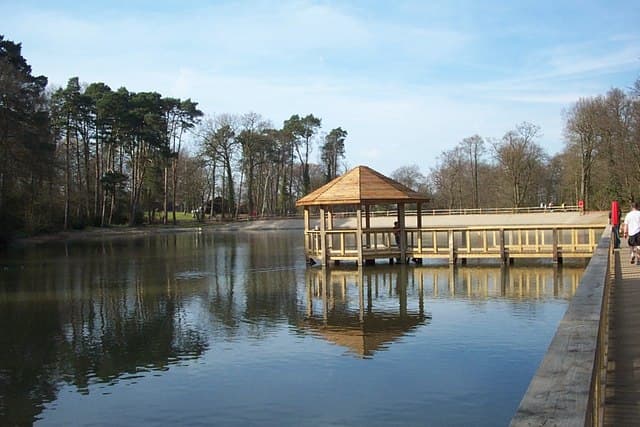
Tilgate Nature Centre
Tilgate Nature Centre, rebranded as Tilgate Zoo in 2025, is a BIAZA-accredited zoological facility located within Tilgate Park in Crawley, West Sussex, England. It is recognized for its diverse collection of approximately 74 animal species and its active involvement in conservation programs aimed at preserving threatened wildlife.
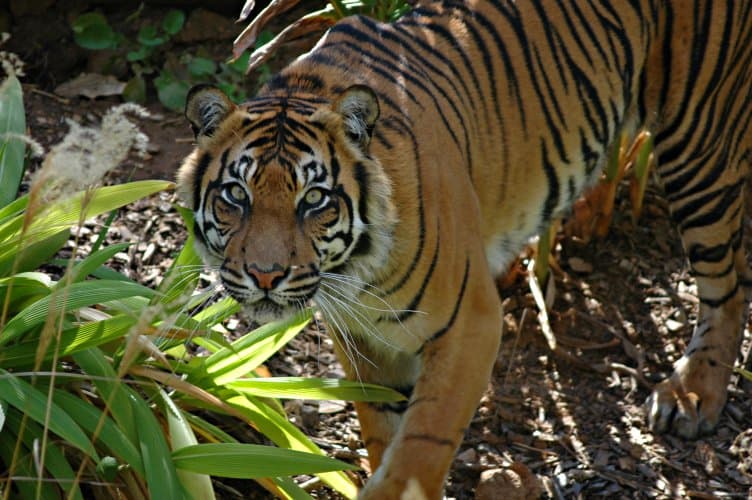
Adelaide Zoo
Adelaide Zoo, established in 1883, is Australia's second-oldest zoo and operates on a non-profit basis. Situated north of Adelaide's city center, it is managed by the Royal Zoological Society of South Australia and is a key institution for wildlife conservation and public education in the region.

Cairns
Cairns is a major regional city located on the tropical northeast coast of Far North Queensland, Australia. Founded in 1876, it has grown from a gold-mining port to a significant international tourism hub, renowned for its proximity to two UNESCO World Heritage sites: the Great Barrier Reef and the Daintree Rainforest. The city's economy is largely driven by tourism, alongside healthcare, education, and marine industries.