
Kraków Zoo
The Kraków Zoo, established in 1929, is a significant zoological institution in Kraków, Poland, housing over 1,500 animals across approximately 260 species. It plays a role in European and global zoo associations, contributing to conservation through its breeding programs for various species.
Key Facts
- ›Established in 1929.
- ›Home to over 1,500 animals.
- ›Represents approximately 260 species.
- ›Covers an area of nearly 17 hectares.
- ›Member of the European Association of Zoos and Aquaria (EAZA) and the World Association of Zoos and Aquariums (WAZA).
- ›Has a successful breeding program, with notable births including Andean condors and snow leopards.

Andean Condor, Maned Wolf, Snow Leopards, Leopards, Jaguars, Fennec Foxes, Caracal Lynxes, European Wild Cats, Northern Lynxes, Ground Cuscuses, Black Mangabeys, Chimpanzees, Lar Gibbons, Common Marmosets
Andean Condor Breeding Program, Maned Wolf Breeding Program, Snow Leopard Breeding Program, Leopard Breeding Program, Jaguar Breeding Program, Fennec Fox Breeding Program, Caracal Lynx Breeding Program, European Wild Cat Breeding Program, Northern Lynx Breeding Program, Ground Cuscus Breeding Program, Black Mangabey Breeding Program, Chimpanzee Breeding Program, Lar Gibbon Breeding Program, Common Marmoset Breeding Program
About Kraków Zoo
The Kraków Zoo (Ogród Zoologiczny w Krakowie) is a zoological garden located in Kraków, Poland. Established on July 6, 1929, it has grown to become a significant institution for animal welfare, education, and conservation within the region. The zoo is an active participant in international zoological communities, holding memberships in the European Association of Zoos and Aquaria (EAZA) and the World Association of Zoos and Aquariums (WAZA).
History and Development
The idea of establishing a zoological garden in Kraków originated with activists from the Polish Copernicus Society of Naturalists. The zoo was officially opened in 1929, initially housing 94 mammals, 98 birds, and 12 reptiles. Antoni Koziarz served as the zoo's first director until 1966. During World War II, the zoo experienced a period of decline under German administration, with many animals transferred to German zoos. A significant phase of rebuilding and modernization began in 1963 following the establishment of the company "City Park and Zoological Garden."
Current Operations and Conservation
Today, the Kraków Zoo spans nearly 17 hectares and is home to over 1,500 animals representing approximately 260 species. The zoo attracts around 500,000 visitors annually. It is recognized for its successful breeding programs, which have contributed to the survival of various species. Notable breeding successes include the birth of Andean condors, snow leopards, jaguars, and several primate species such as maned wolves, fennec foxes, caracal lynxes, and common marmosets. The zoo's commitment to conservation is evident through its participation in breeding initiatives for a diverse range of animals.
Source: Wikipedia ↗
Frequently Asked Questions
When was the Kraków Zoo established?
The Kraków Zoo was established on July 6, 1929. Its opening was attended by the President of Poland, Ignacy Mościcki.
How many animals and species are at the Kraków Zoo?
The zoo currently houses approximately 1,500 animals, representing about 260 different species. This collection includes a variety of mammals, birds, and reptiles.
What is the size of the Kraków Zoo?
The Kraków Zoo occupies an area of nearly 17 hectares. It is situated in Las Wolski, near the Camaldolese Hermit Monastery in Bielany.
Does the Kraków Zoo have a history of keeping exotic animals?
Yes, the first mention of exotic animals in Kraków dates back to 1406 with the transportation of lions from Florence. A royal menagerie also existed on Wawel Hill in the Middle Ages.
What notable breeding successes has the Kraków Zoo had?
The zoo has a notable breeding program that has resulted in the birth of several species in captivity. These include Andean condors, maned wolves, snow leopards, jaguars, and various primate species.
Related Zoos

Ogród Zoologiczny w Łodzi
The Łódź Zoo, officially known as Miejski Ogród Zoologiczny w Łodzi, is a significant zoological garden located in Łódź, Poland. Established in 1938, it has grown to become a notable institution for animal conservation and public education, recognized for its diverse collection and modern facilities, including the award-winning Orientarium.
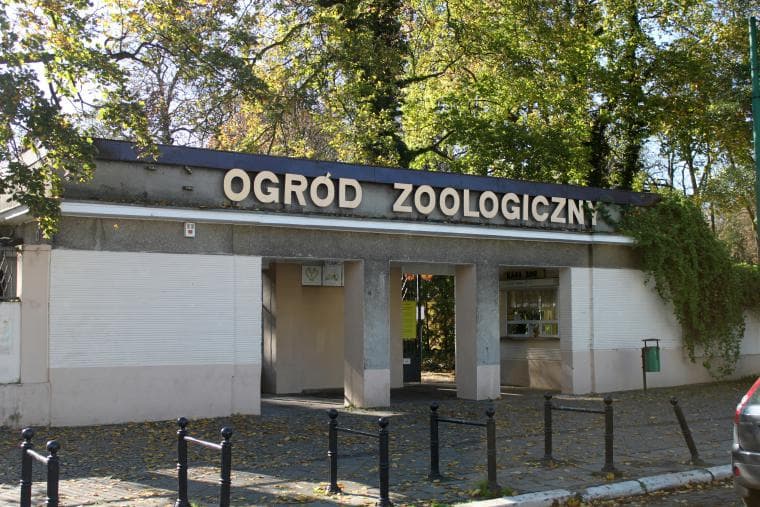
Old Zoo
The Poznań Old Zoo is one of Poland's oldest zoological gardens, established in 1874 in the city of Poznań. Recognized as a cultural heritage site, it has a rich history dating back to a small collection of animals gifted in the 1870s. It forms part of the larger Poznań Zoological Garden complex alongside the newer zoo opened in 1974.
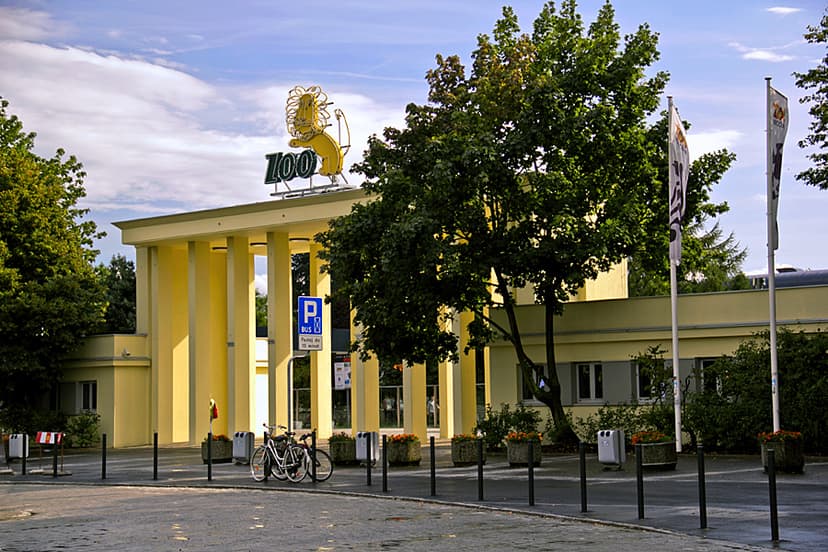
Wrocław Zoo
The Wrocław Zoo, established in 1865, is Poland's oldest and largest zoo by animal and species count. Located in Wrocław, it covers 33 hectares and houses approximately 10,500 animals across 1,132 species, making it the third-largest zoological garden globally by species diversity. The zoo is a prominent European destination, known for its Africarium and significant conservation efforts.