
Miejski Ogród Zoologiczny Wybrzeża w Gdańsku-Oliwie
The Gdańsk Zoo (Gdański Ogród Zoologiczny) is Poland's largest zoological garden by area, situated in the Oliwa district of Gdańsk. Opened in 1954, it is a member of EAZA and WAZA and is particularly recognized for its successful Andean condor breeding program and its collection of rare species.
Key Facts
- ›Opened on May 1, 1954.
- ›Covers 123.76 hectares, making it the largest zoo in Poland by area.
- ›Home to 800 animals representing 176 species in the 1980s.
- ›Renowned for its Andean condor collection and breeding program.
- ›Houses rare species including anoas, Javan lutungs, scimitar oryxes, and pygmy hippopotamuses.
- ›Member of the European Association of Zoos and Aquaria (EAZA) and World Association of Zoos and Aquariums (WAZA).
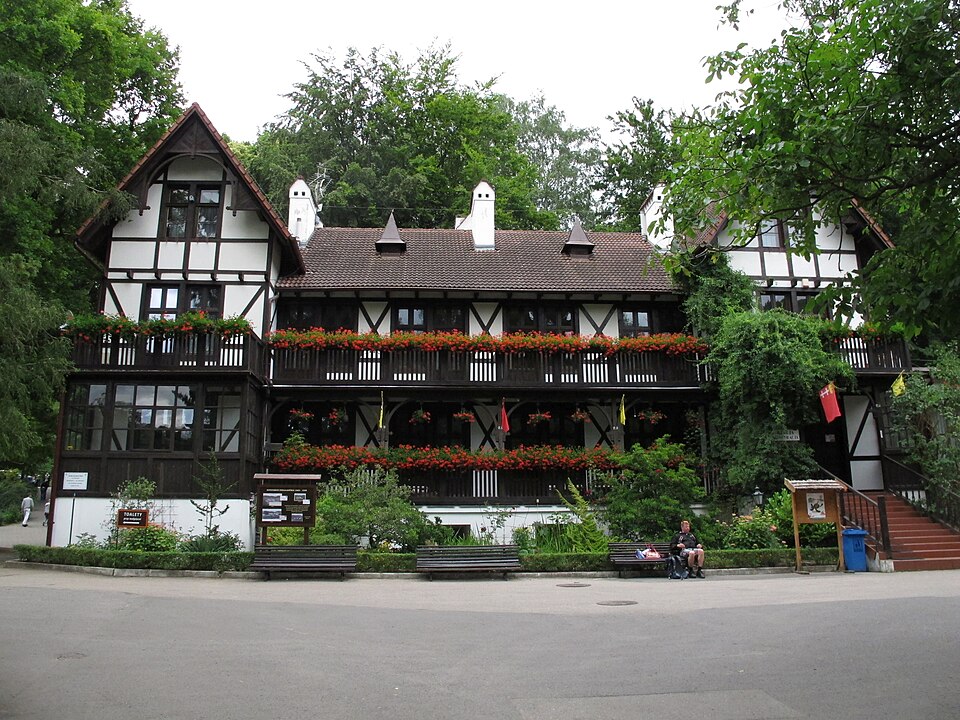
Andean Condors, Giraffes Pavilion, Leopards, Meerkats, Takin Enclosure, Lion Enclosure
Andean Condors, Rothschild's Giraffes, Leopards, Meerkats, Takins, Lions, Anoas, Javan Lutungs, Scimitar Oryxes, Pygmy Hippopotamuses, Jackass Penguins, Bongos, Bali Mynas, Mandrills, Yellow Anacondas, Visayan Spotted Deer, Southern Ground Hornbills, Siberian Tigers
European Endangered Species Programme
About Miejski Ogród Zoologiczny Wybrzeża w Gdańsku-Oliwie
The Miejski Ogród Zoologiczny Wybrzeża w Gdańsku-Oliwie, commonly known as the Gdańsk Zoo, is a significant zoological institution located in the Oliwa district of Gdańsk, Poland. Established in 1954, it holds the distinction of being the largest zoo in Poland by area, spanning 123.76 hectares.
History and Development
The zoo's origins trace back to a menagerie that existed in Oliwa from 1927 until the start of World War II, which housed various animals including bears, wild boars, giraffes, monkeys, wolves, and raccoons. The official inauguration of the zoo occurred on May 1, 1954, on the site of a former sanatorium in the Leśny Młyn Valley. The zoo experienced dynamic growth during the 1950s and 1960s, largely due to the dedicated efforts of its first director, Michał Massalski. By the 1980s, the collection had expanded to include 800 animals representing 176 species.
Notable Collections and Conservation
The Gdańsk Zoo has garnered international recognition for its collection of Andean condors and its highly successful breeding program for this species. It is also a member of prestigious international organizations such as the European Association of Zoos and Aquaria (EAZA) and the World Association of Zoos and Aquariums (WAZA). Furthermore, the zoo is an active participant in the European Endangered Species Programme (EEP).
Since 2005, the Gdańsk Zoo has been the sole zoological garden in Poland to house anoas and Javan lutungs, highlighting its commitment to conservation. Visitors can observe a diverse array of rare species, including scimitar oryxes, pygmy hippopotamuses, jackass penguins, bongos, Bali mynas, mandrills, yellow anacondas, Visayan spotted deer, takins, southern ground hornbills, and Siberian tigers. Recent developments include the construction of a giraffe pavilion in 2008, which currently houses four Rothschild's giraffes, and the transfer of leopards and meerkats in the same year. The zoo also acquired its first takin in 2009 and four lions, believed to be of Southwest African origin, in 2014.
Source: Wikipedia ↗
Frequently Asked Questions
When was the Gdańsk Zoo established?
The official opening ceremony for the Gdańsk Zoo took place on May 1, 1954. However, a menagerie existed in the Oliwa district prior to this, from 1927 until the outbreak of World War II.
How large is the Gdańsk Zoo?
The Gdańsk Zoo covers an area of 123.76 hectares. This extensive size makes it the largest zoological garden in Poland based on its land area.
What are some of the notable animals at the Gdańsk Zoo?
The zoo is particularly renowned for its collection of Andean condors and its successful breeding program for this species. It also houses rare animals such as anoas, Javan lutungs, scimitar oryxes, pygmy hippopotamuses, and Siberian tigers.
What is the Gdańsk Zoo known for?
The Gdańsk Zoo is internationally recognized for its collection of Andean condors and its highly successful breeding program for this bird species. It is also noted for housing rare animals and being a member of major zoological associations.
Is the Gdańsk Zoo involved in conservation efforts?
Yes, the Gdańsk Zoo is a member of the European Endangered Species Programme (EEP). It is the only zoological garden in Poland that houses anoas and Javan lutungs, indicating a focus on conservation.
Related Zoos

Zamość Zoo
The Zamość Zoo is a zoological garden situated in Zamość, Poland, established in 1918. It is recognized as one of Poland's oldest zoos and currently houses a diverse collection of animals across a considerable area, making it a significant educational and recreational site.

Kraków Zoo
The Kraków Zoo, established in 1929, is a significant zoological institution in Kraków, Poland, housing over 1,500 animals across approximately 260 species. It plays a role in European and global zoo associations, contributing to conservation through its breeding programs for various species.

Ogród Zoologiczny w Łodzi
The Łódź Zoo, officially known as Miejski Ogród Zoologiczny w Łodzi, is a significant zoological garden located in Łódź, Poland. Established in 1938, it has grown to become a notable institution for animal conservation and public education, recognized for its diverse collection and modern facilities, including the award-winning Orientarium.