
Zamość Zoo
The Zamość Zoo is a zoological garden situated in Zamość, Poland, established in 1918. It is recognized as one of Poland's oldest zoos and currently houses a diverse collection of animals across a considerable area, making it a significant educational and recreational site.
Key Facts
- ›Established in 1918, making it one of Poland's oldest zoological gardens.
- ›Covers an area of approximately 13 hectares.
- ›Home to 2524 animals representing 312 species.
- ›Located in Zamość, Lublin Voivodeship, Poland.
- ›A member of the European Association of Zoos and Aquaria (EAZA).

Llamas, Lions, Bears, Giraffes, Tigers, Hippopotamuses, Camels, Zebras, Gibbons, Squirrel Monkeys, Crocodiles
About Zamość Zoo
The Zamość Zoo is a prominent zoological garden located in the city of Zamość, within the Lublin Voivodeship of Poland. Established in 1918, it holds the distinction of being one of the oldest zoos in the country. The zoo was founded at the initiative of Stefan Miler, who was a teacher at the Jan Zamoyski Boys' High School.
Scope and Collection
Spanning an area of approximately 13 hectares, the Zamość Zoo is home to a substantial collection of wildlife. It currently houses 2,524 individual animals, representing a diverse array of 312 different species. This extensive collection allows visitors to observe a wide variety of fauna from different regions and habitats.
Notable Inhabitants
The zoo's inhabitants include a range of popular and interesting animals. Visitors can encounter species such as llamas, lions, bears, giraffes, tigers, hippopotamuses, camels, donkeys, capybaras, lynxes, zebras, tapirs, porcupines, bat-eared foxes, gibbons, squirrel monkeys, macaques, pygmy marmosets, and armadillos. The collection also features reptiles like crocodiles and iguanas, as well as numerous bird species including knob-billed ducks, storks, Victoria crowned pigeons, and peacocks.
Affiliations and Significance
The Zamość Zoo is an active member of the European Association of Zoos and Aquaria (EAZA). This affiliation underscores its commitment to maintaining high standards in animal care, conservation efforts, and educational programming, aligning it with other leading zoological institutions across Europe.
Source: Wikipedia ↗
Frequently Asked Questions
When was the Zamość Zoo founded?
The Zamość Zoo was established in 1918. Its founding was initiated by Stefan Miler, a teacher at the Jan Zamoyski Boys' High School.
How large is the Zamość Zoo?
The zoo covers an area of approximately 13 hectares. This space accommodates its diverse collection of animals and exhibits.
How many animals and species are at Zamość Zoo?
Currently, the Zamość Zoo houses 2524 individual animals. These animals represent 312 different species.
What notable animals can be seen at Zamość Zoo?
Visitors can see a wide variety of animals, including llamas, lions, bears, giraffes, tigers, hippopotamuses, camels, zebras, and various primates like gibbons and squirrel monkeys. Reptiles such as crocodiles and iguanas, along with numerous bird species, are also present.
Is Zamość Zoo part of any international zoo organizations?
Yes, the Zamość Zoo is a member of the European Association of Zoos and Aquaria (EAZA). This membership signifies its adherence to certain standards in animal welfare and conservation.
Related Zoos
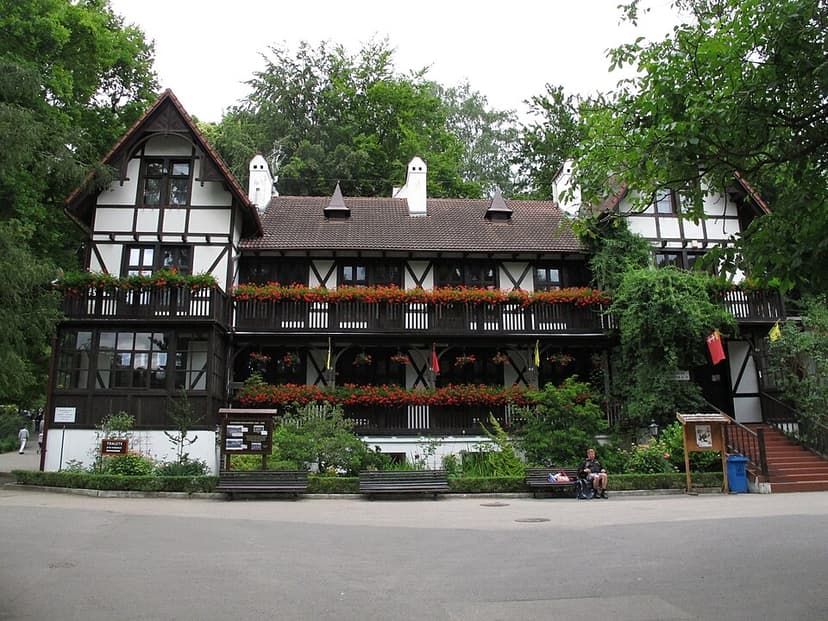
Miejski Ogród Zoologiczny Wybrzeża w Gdańsku-Oliwie
The Gdańsk Zoo (Gdański Ogród Zoologiczny) is Poland's largest zoological garden by area, situated in the Oliwa district of Gdańsk. Opened in 1954, it is a member of EAZA and WAZA and is particularly recognized for its successful Andean condor breeding program and its collection of rare species.

Kraków Zoo
The Kraków Zoo, established in 1929, is a significant zoological institution in Kraków, Poland, housing over 1,500 animals across approximately 260 species. It plays a role in European and global zoo associations, contributing to conservation through its breeding programs for various species.

Ogród Zoologiczny w Łodzi
The Łódź Zoo, officially known as Miejski Ogród Zoologiczny w Łodzi, is a significant zoological garden located in Łódź, Poland. Established in 1938, it has grown to become a notable institution for animal conservation and public education, recognized for its diverse collection and modern facilities, including the award-winning Orientarium.