
Nandankanan Zoological Park
Nandankanan Zoological Park is a 437-hectare zoo and botanical garden in Odisha, India, established in 1960 and opened to the public in 1979. It is notable for being the first zoo in India to join the World Association of Zoos and Aquariums (WAZA) and for its successful breeding programs, particularly for white tigers and gharials. The park also includes a botanical garden and a portion declared a sanctuary, making it a significant center for wildlife and plant conservation.
Key Facts
- ›Covers an area of 437 hectares (1,080 acres).
- ›Established in 1960 and opened to the public in 1979.
- ›First zoo in India to become a member of the World Association of Zoos and Aquariums (WAZA) in 2009.
- ›Houses approximately 1,660 individual animals representing 166 species.
- ›Features a botanical garden and a section declared a sanctuary.
- ›Successfully breeds white tigers, gharials, and pangolins.

- Reptile house with a Tyrannosaurus rex replica entrance
- Orchid House
- Lion Safari
- Tiger Safari
White Tigers, Gharials, Pangolins, Black Panthers
White Tiger Breeding Program, Gharial Captive Breeding, Pangolin Captive Breeding Program, Adopt-An-Animal Programme
About Nandankanan Zoological Park
Nandankanan Zoological Park is a significant zoological and botanical institution located in Odisha, India. Established in 1960 and opened to the public in 1979, it spans 437 hectares (1,080 acres) and is situated in Barang village, near Kanjia lake. The park's name, meaning "The Garden of Heaven," reflects its scenic environment within the Chandaka forest.
History and Establishment
The genesis of Nandankanan Zoological Park can be traced back to 1960 when forest officials proposed displaying rare plants and animals at the World Agricultural Fair in Delhi. Following the fair, a collection of animals, including spotted deer, black buck, barking deer, and various birds and smaller mammals, needed housing. Initially, temporary structures were erected, and community support was crucial for feeding the animals. Discussions for a permanent zoo gained momentum, and after considering several locations, the area around Kanjia Lake was chosen for its picturesque beauty and ample water resources. The park was officially inaugurated on December 29, 1960, and a botanical garden was added in 1963. The facility was formally renamed Nandankanan Zoological Park in 1981.
Key Features and Conservation Efforts
Nandankanan Zoological Park is recognized for its diverse collection, housing approximately 1,660 individual animals representing 166 species, including mammals, birds, and reptiles. A notable achievement is its status as the first zoo in India to become a member of the World Association of Zoos and Aquariums (WAZA) in 2009. The park has garnered international acclaim for its successful captive breeding programs, particularly for white tigers, gharials, and pangolins. It was the first zoo in India to successfully breed pangolins in captivity. The zoo also features 34 aquaria showcasing freshwater fish and is developing the largest orchid house in Odisha. To foster public engagement in conservation, Nandankanan launched an "Adopt-an-Animal" program in 2008, which also provides tax exemptions, making it a pioneer in this regard.
Visitors and Facilities
Nandankanan Zoological Park attracts over 2.6 million visitors annually, indicating its popularity as a tourist destination and educational resource. The park's infrastructure underwent significant upgrades, particularly after the super-cyclone in 1999. Beyond its zoological and botanical collections, it includes a portion declared a sanctuary and Kanjia lake, which is developed for recreational activities like boating and angling. The park's commitment to animal welfare is evidenced by a low animal death rate compared to the national average.
Source: Wikipedia ↗
Frequently Asked Questions
When was Nandankanan Zoological Park established?
Nandankanan Zoological Park was established in 1960. The idea originated from forest officials who wanted to display rare plants and animals at the World Agricultural Fair in Delhi.
What is the size of Nandankanan Zoological Park?
The zoo and botanical garden covers an area of 437 hectares, which is equivalent to 1,080 acres. It is situated near Kanjia lake.
What notable breeding programs are conducted at Nandankanan Zoological Park?
Nandankanan Zoological Park has a strong international reputation for its successful captive breeding programs. It is particularly known for breeding black panthers, gharials, and white tigers.
What is unique about the white tigers at Nandankanan?
Nandankanan Zoo is credited with breeding the 'Odisha strain' of white tigers, distinct from the 'Rewa strain'. They have the largest collection of white tigers in India and have successfully bred them from unrelated orange parents carrying the recessive white gene.
Does Nandankanan Zoological Park have an aquarium?
Yes, the zoo includes 34 aquaria. These aquaria house a large variety of freshwater fish for visitors to observe.
What conservation initiatives does Nandankanan Zoological Park undertake?
The park is involved in successful captive breeding programs for species like gharials and pangolins, being the first in India to breed pangolins. It also operates an Adopt-an-Animal program to involve the public in conservation efforts and raise funds for animal care.
Related Zoos

Izu Shaboten Zoo
Izu Shaboten Zoo is a zoological park and botanical garden located in Itō, Shizuoka, Japan, established in 1959. It is renowned for its popular capybara exhibits, particularly its "capybara bath" hot spring, and its extensive collection of succulent greenhouses, making it a unique destination for animal and plant enthusiasts.
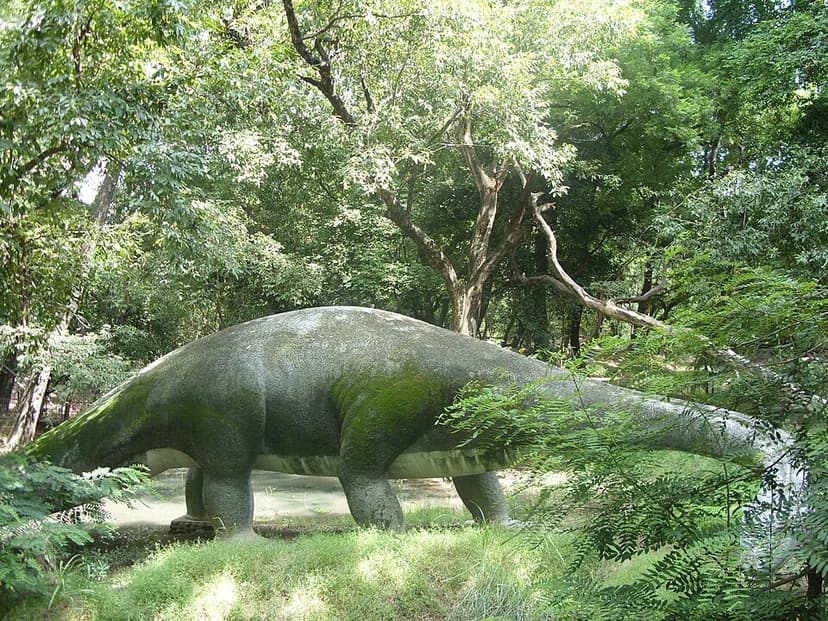
Kanpur Zoological Park
Kanpur Zoological Park, also known as Allen Forest Zoo, is a significant zoological park located in Kanpur, India. It is distinguished as the largest open green space in Kanpur and the largest zoological park in North India, notable for being one of the few zoos in India established within a natural forest setting. The zoo is recognized for its ISO certification in Environment Management System Standard and its innovative term "WILDOMESTIC" for captive-born wild animals.
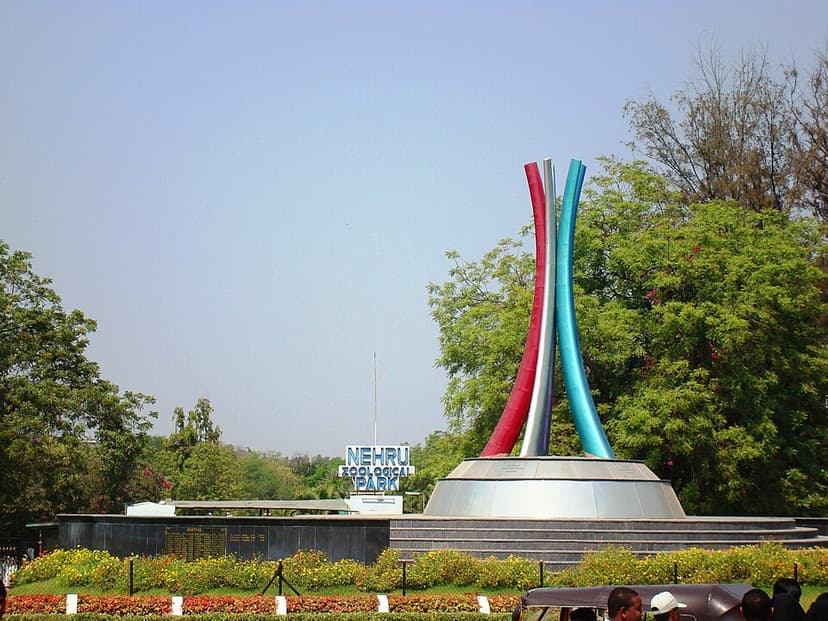
Nehru Zoological Park
Nehru Zoological Park, also known as Zoo Park, is a significant zoological garden located in Bahadurpura, Telangana, India. Established in 1963 and named after India's first Prime Minister, Jawaharlal Nehru, it is a major tourist attraction and a hub for wildlife conservation and education.