
Nehru Zoological Park
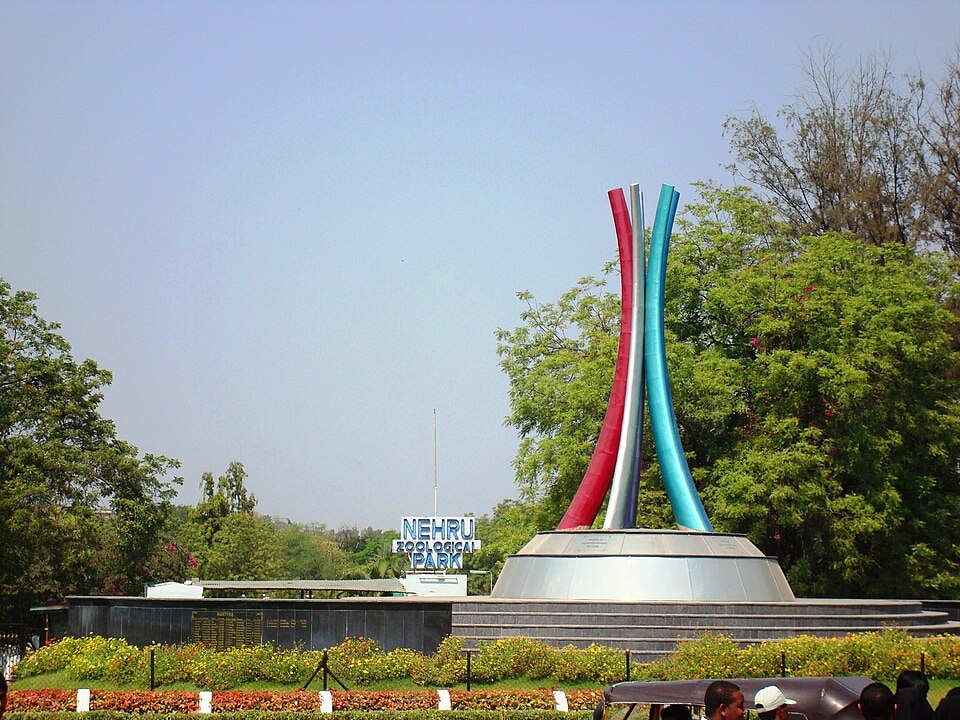
Nehru Zoological Park, also known as Zoo Park, is a significant zoological garden located in Bahadurpura, Telangana, India. Established in 1963 and named after India's first Prime Minister, Jawaharlal Nehru, it is a major tourist attraction and a hub for wildlife conservation and education.
Key Facts
- ›Opened to the public on October 6, 1963.
- ›Covers an area of 380 acres, adjacent to the 600-acre Mir Alam Tank.
- ›Houses approximately 100 species of birds, animals, and reptiles.
- ›Features indigenous Indian animals such as the Asiatic lion, Bengal tiger, and Indian elephant.
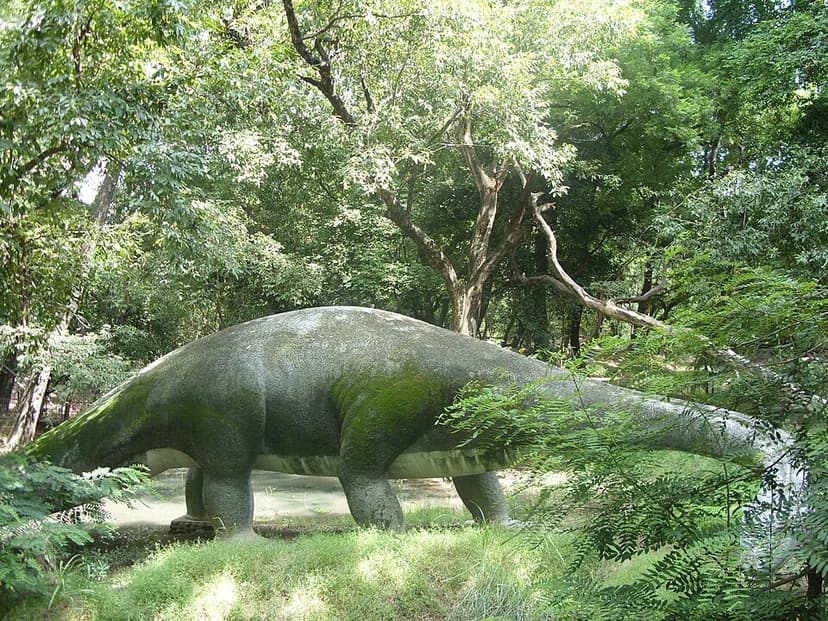
- ›Includes a nocturnal house, aquarium, dino park, and butterfly park.
- ›Operates an animal adoption program for public and corporate participation.
Nocturnal House, Aquarium, Dino Park, Butterfly Park, Safari Area
Indian Rhino, Asiatic Lion, Bengal Tiger, Panther, Gaur, Indian Elephant, Slender Loris, Python, Deer, Antelope, Bird
- Animal Adoption Program
- Captive Breeding of Vultures
- Restocking depleted natural populations via transfers to sanctuaries
About Nehru Zoological Park
Nehru Zoological Park, often referred to as Zoo Park, is a prominent zoological garden situated in Bahadurpura, Telangana, India, adjacent to the historic Mir Alam Tank. Established with the aim of providing a natural habitat for a diverse range of animals and serving as an educational and recreational center, the park has become one of Hyderabad's most visited destinations.
History and Development
The foundation for Nehru Zoological Park was laid on October 26, 1959, and it officially opened its gates to the public on October 6, 1963. The park is administered by the forest department of the Government of Telangana and bears the name of India's first Prime Minister, Jawaharlal Nehru, reflecting its national significance.
Animals and Exhibits
The zoo spans an area of 380 acres, complemented by the adjacent 600-acre Mir Alam Tank, which itself is a significant ecological attraction. Nehru Zoological Park houses approximately 100 species of birds, animals, and reptiles, showcasing a variety of indigenous Indian wildlife. Among the notable species are the Indian rhino, Asiatic lion, Bengal tiger, panther, gaur, Indian elephant, slender loris, python, various deer, and antelope species.
Unique exhibits enhance the visitor experience. The nocturnal house is designed to reverse the day-night cycle, allowing visitors to observe the activity of nocturnal animals during regular visiting hours. Other attractions include a dedicated aquarium, a dino park, a butterfly park, and a tortoise house. The zoo also features safari trips through specialized areas where animals like the Asiatic lion, Bengal tiger, and sloth bear roam freely.
Conservation and Education
Nehru Zoological Park plays a vital role in wildlife conservation. The zoo actively participates in breeding programs, with many animals born at the park being sent to deer parks and sanctuaries across India to bolster depleted natural populations. Efforts are also underway to boost the captive breeding of critically endangered species, such as vultures. Furthermore, the park runs an adoption program, initiated in 2014, which allows individuals and corporations to contribute to the upkeep of animals and enclosures. Educational shows and feeding sessions are also conducted daily to inform visitors about wildlife and conservation.
Source: Wikipedia ↗
Frequently Asked Questions
When was Nehru Zoological Park established?
Construction for Nehru Zoological Park began on October 26, 1959, and it was opened to the public on October 6, 1963. The park is managed by the forest department of the Government of Telangana.
What is the size of Nehru Zoological Park?
The zoo itself occupies 380 acres of land. It is situated next to the Mir Alam Tank, which adds an additional 600 acres to the surrounding natural landscape.
What types of animals can be found at Nehru Zoological Park?
The zoo is home to about 100 different species of birds, animals, and reptiles. It features a variety of indigenous Indian wildlife, including rhinos, lions, tigers, elephants, deer, and antelopes, as well as many bird species.
Are there any special exhibits or attractions at the zoo?
Yes, Nehru Zoological Park has several unique attractions. These include a nocturnal house that reverses day and night cycles for visitors to see active nocturnal animals, an aquarium, a dino park, and a butterfly park. Safari trips are also offered.
Does the zoo participate in conservation efforts?
Nehru Zoological Park is involved in conservation through breeding programs. Several animals bred at the zoo have been transferred to deer parks and sanctuaries across India to help restock natural populations. The zoo has also sought to boost captive breeding of critically endangered vultures.
Related Zoos
Kanpur Zoological Park
Kanpur Zoological Park, also known as Allen Forest Zoo, is a significant zoological park located in Kanpur, India. It is distinguished as the largest open green space in Kanpur and the largest zoological park in North India, notable for being one of the few zoos in India established within a natural forest setting. The zoo is recognized for its ISO certification in Environment Management System Standard and its innovative term "WILDOMESTIC" for captive-born wild animals.

Nandankanan Zoological Park
Nandankanan Zoological Park is a 437-hectare zoo and botanical garden in Odisha, India, established in 1960 and opened to the public in 1979. It is notable for being the first zoo in India to join the World Association of Zoos and Aquariums (WAZA) and for its successful breeding programs, particularly for white tigers and gharials. The park also includes a botanical garden and a portion declared a sanctuary, making it a significant center for wildlife and plant conservation.

Sanjay Gandhi Jaivik Udyan
Sanjay Gandhi Jaivik Udyan, widely known as Patna Zoo, is a significant biological park in Patna, Bihar, India, established in 1973. It functions as both a botanical garden and a zoo, housing a diverse collection of animals and plants, and is a popular recreational and educational destination for the region. The park is recognized for its efforts in wildlife conservation and successful breeding programs for endangered species.