
Kanpur Zoological Park
Kanpur Zoological Park, also known as Allen Forest Zoo, is a significant zoological park located in Kanpur, India. It is distinguished as the largest open green space in Kanpur and the largest zoological park in North India, notable for being one of the few zoos in India established within a natural forest setting. The zoo is recognized for its ISO certification in Environment Management System Standard and its innovative term "WILDOMESTIC" for captive-born wild animals.
Key Facts
- ›Covers an area of 110 hectares (270 acres).
- ›Construction began in 1971 and was completed by 1975.
- ›One of the largest zoological parks in North India.
- ›Recognized with ISO 14001:2004 certification for Environment Management System.
- ›Features moated enclosures designed to provide animals with ample space.
- ›The first animal to arrive was an otter caught from the Chambal River.
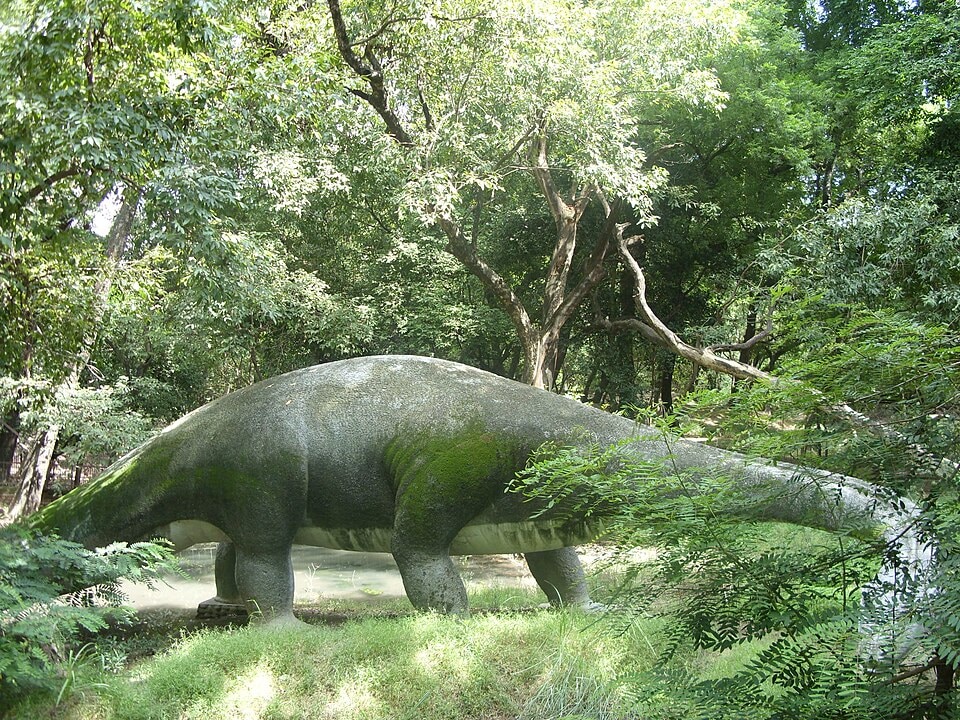
Botanical Garden, Lake, Aviary, Night House, Aquarium, Life Size Dinosaur Sculptures
White Tigers, Guddu
- Raptor Restaurant for vulture, eagle, kites and crows conservation
- Hand-rearing of Barn Owl and Jungle Owl chicks
- Innovative animal treatments published in wildlife journals
About Kanpur Zoological Park
Kanpur Zoological Park, also known as Allen Forest Zoo, is a prominent zoological park situated in Kanpur, a major city in Northern India. Covering an expansive 110 hectares (270 acres), it holds the distinction of being the largest open green space within Kanpur and the most extensive zoological park in North India. What sets Kanpur Zoo apart is its foundation within a natural forest, making it one of the few zoos in India to retain its original habitat for its fauna. The animals are housed in open, moated enclosures designed to provide ample space and encourage natural behaviors.
History and Development
The concept for the zoo originated with Sir Allen, a botanist and member of the British Indian Civil Service, who envisioned establishing a zoo within a natural forest setting. Although his initial plans faced bureaucratic hurdles, construction of the zoo commenced in 1971, supported by the Forest Department of the Government of Uttar Pradesh. The park was developed between 1971 and 1975 under the guidance of Mr. R.S. Bhadauria, the zoo's first director. The enclosures were engineered using contemporary zoo-building technologies, spread across a semicircular road flanking a lake.
Notable Features and Attractions
Kanpur Zoological Park is recognized for its commitment to environmental management, having achieved ISO 14001:2004 certification. The zoo is home to a diverse collection of animals, including mammals like white tigers, leopards, bears, rhinoceros, hippopotami, chimpanzees, and orangutans. Reptiles such as the Indian gharial are also exhibited. Notably, the zoo has housed Guddu, a Royal Bengal Tiger claimed to be the world's oldest living specimen at the time of his passing.
Beyond its animal inhabitants, the zoo boasts several attractions. A botanical garden showcases rare plant species, complemented by sylvan lakes. The central rainwater lake is a significant feature, attracting a wide array of bird species, and the zoo regularly hosts bird-watching festivals. Other points of interest include an aviary with global bird species, a night house for nocturnal animals, and an aquarium. The park also features life-size dinosaur sculptures and a toy train, providing recreational options for visitors.
Conservation and Visitor Experience
Conservation is a key focus at Kanpur Zoo, supported by a state-of-the-art veterinary hospital. The zoo has implemented strict environmental policies, including bans on plastic water bottles and polythene bags, and discourages visitors from feeding the animals. Innovative veterinary practices have been developed and published in international wildlife journals. The zoo has also initiated unique conservation projects, such as the 'Raptor Restaurant' aimed at protecting vulture and eagle species, and has successfully hand-reared protected owl chicks. The park is a popular destination for picnics, nature walks, and educational visits for school students, promoting awareness of natural habitats and environmental responsibility.
Source: Wikipedia ↗
Frequently Asked Questions
What is the history behind Kanpur Zoological Park?
The zoo was the idea of Sir Allen, a botanist with the British Indian Civil Service, who envisioned a zoo within a natural forest. Construction commenced in 1971, funded by the Uttar Pradesh Government's Forest Department, and was completed between 1971 and 1975 under the supervision of the zoo's first director, Mr. R.S. Bhadauria.
What kind of animals can be found at Kanpur Zoo?
The zoo houses a variety of mammals including white tigers, leopards, bears, rhinoceros, hippopotami, chimpanzees, and orangutans. Reptiles like the Indian gharial are also present. Notably, the zoo once housed Guddu, claimed to be the world's oldest living Royal Bengal Tiger.
What are the main attractions at Kanpur Zoological Park?
Key attractions include a botanical garden with rare plant species, a central rainwater lake that is a haven for numerous bird species, an aviary featuring birds from around the world, a night house for nocturnal animals, and an aquarium. Life-size dinosaur sculptures and a toy train are also present.
Does Kanpur Zoo focus on conservation efforts?
Yes, Kanpur Zoological Park is actively involved in conservation. It features a state-of-the-art veterinary hospital and has implemented measures such as banning plastic bottles and encouraging visitors not to feed animals. They have also developed innovative treatments for animals and created an 'Raptor Restaurant' to conserve vulture and eagle species.
What are the visiting hours and entry fees for Kanpur Zoo?
The zoo is open daily from 9 am to 5:00 pm, except on Mondays. Entry fees are ₹70 for adults and ₹35 for children aged 5 to 12. There are also charges for the toy train ride.
Are there any special facilities for visitors at the zoo?
The zoo offers electric car rides for visitors, with charges varying based on the car size. Hygienic washrooms are available, and RO plants provide purified drinking water. Residents of Kanpur can also obtain monthly tickets for morning walks within the park.
Related Zoos
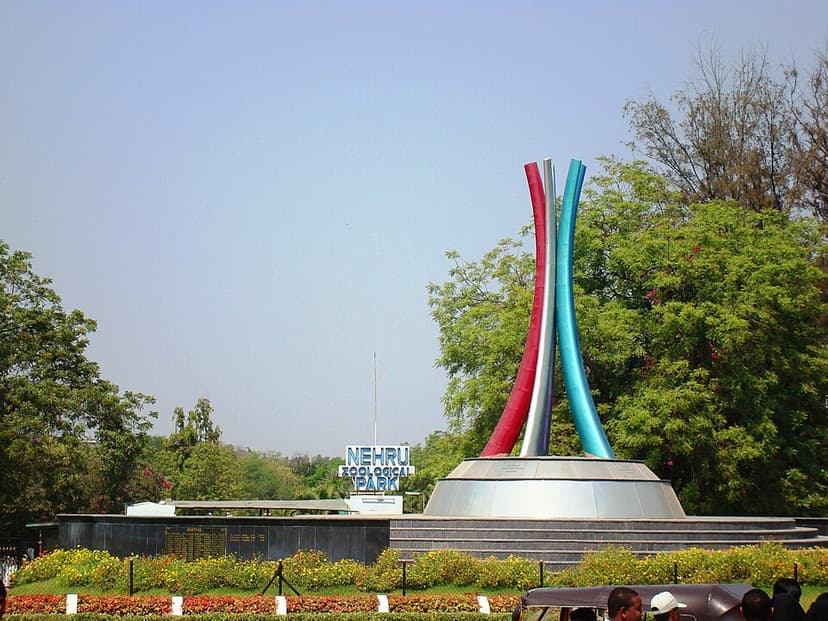
Nehru Zoological Park
Nehru Zoological Park, also known as Zoo Park, is a significant zoological garden located in Bahadurpura, Telangana, India. Established in 1963 and named after India's first Prime Minister, Jawaharlal Nehru, it is a major tourist attraction and a hub for wildlife conservation and education.

Nandankanan Zoological Park
Nandankanan Zoological Park is a 437-hectare zoo and botanical garden in Odisha, India, established in 1960 and opened to the public in 1979. It is notable for being the first zoo in India to join the World Association of Zoos and Aquariums (WAZA) and for its successful breeding programs, particularly for white tigers and gharials. The park also includes a botanical garden and a portion declared a sanctuary, making it a significant center for wildlife and plant conservation.

Sanjay Gandhi Jaivik Udyan
Sanjay Gandhi Jaivik Udyan, widely known as Patna Zoo, is a significant biological park in Patna, Bihar, India, established in 1973. It functions as both a botanical garden and a zoo, housing a diverse collection of animals and plants, and is a popular recreational and educational destination for the region. The park is recognized for its efforts in wildlife conservation and successful breeding programs for endangered species.