
National Zoological Park
The National Zoological Park, originally known as Delhi Zoo, is a significant zoological garden located in New Delhi, India. Established in 1959 and later renamed in 1982, it spans 176 acres and aims to serve as a model for other zoos across the country, housing a diverse collection of animals and participating in vital conservation efforts.
Key Facts
- ›Established in November 1959 as Delhi Zoo.
- ›Officially renamed National Zoological Park in 1982.
- ›Covers an area of 176 acres (71 ha).
- ›Home to approximately 1350 animals representing nearly 130 species.
- ›Participates in conservation breeding programs for several endangered species.
- ›Features moated enclosures, a design recommendation from Carl Hagenbeck.
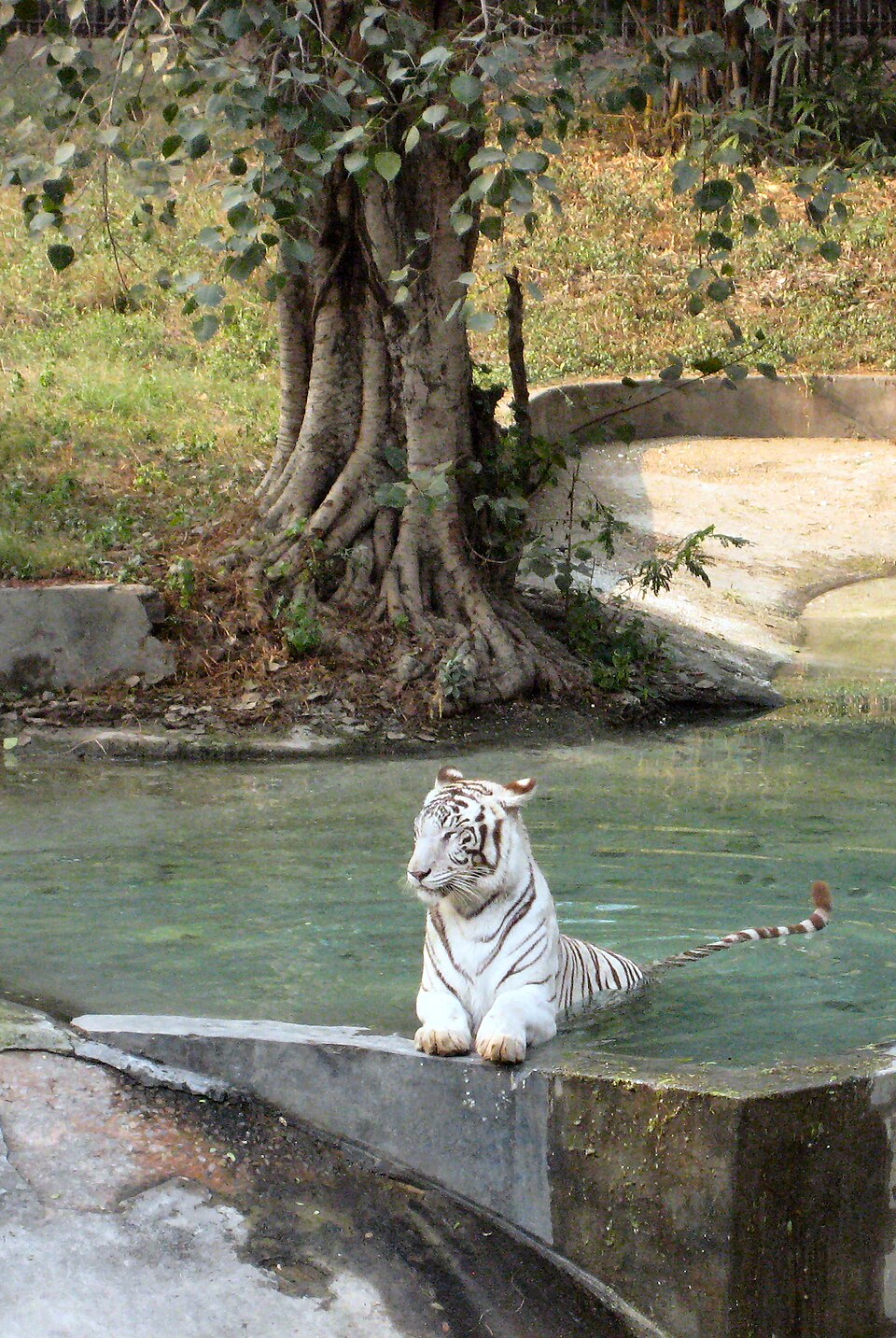
White Tiger Moat
Bengal Tiger, Asiatic Lion, Indian Rhinoceros, Gharial
Royal Bengal Tiger, Indian Rhinoceros, Swamp Deer, Asiatic Lion, Brow Antlered Deer, Red Junglefowl
About National Zoological Park
The National Zoological Park, initially established as the Delhi Zoo, is a prominent zoological garden situated in New Delhi, India. Inaugurated in November 1959, the park was conceived decades after the establishment of New Delhi itself. The idea for a zoo in the national capital was first proposed in 1951, and by 1952, a committee was formed to explore its creation. The location was approved in 1953, and the zoo's development was overseen by N. D. Bachkheti of the Indian Forest Service, with initial design consultations involving Carl Hagenbeck, who recommended the use of moated enclosures.
By the end of 1959, the northern section of the zoo was completed, and animals that had been housed in temporary facilities were moved into their permanent enclosures. The park officially opened its gates on November 1, 1959. In 1982, it was renamed the National Zoological Park, with the aspiration of becoming a benchmark for other zoological institutions across India. The zoo currently spans 176 acres and is home to approximately 1350 animals representing nearly 130 species from around the globe.
Exhibits and Conservation
The National Zoological Park features a diverse collection of mammals, birds, and reptiles. Among its notable mammals are the Bengal tiger, Asiatic lion, Indian elephant, and Himalayan black bear. The reptile collection includes species such as the gharial and Indian star tortoise. The zoo plays a crucial role in wildlife conservation, actively participating in breeding programs for several endangered species, including the royal Bengal tiger, Indian rhinoceros, swamp deer, Asiatic lion, brow antlered deer, and red junglefowl, in collaboration with the Central Zoo Authority.
Notable Incidents
A widely reported incident occurred on September 23, 2014, when a man named Maqsood fell into the moat of the white tiger enclosure. Despite efforts by onlookers, the tiger mauled the man, who later succumbed to his injuries. The event, captured in viral images and videos, highlighted the presence of the white tiger as one of the zoo's main attractions and brought attention to safety protocols.
Source: Wikipedia ↗
Frequently Asked Questions
When was the National Zoological Park established?
The National Zoological Park was established in November 1959. It was originally inaugurated as the Delhi Zoo, with the idea for a national capital zoo being proposed a few years earlier.
What is the size of the National Zoological Park?
The zoo covers a considerable area of 176 acres, which is equivalent to 71 hectares. This extensive space allows for a variety of enclosures and habitats for its animal residents.
How many animals and species are housed at the National Zoological Park?
The zoo is home to approximately 1350 individual animals. These animals represent a diverse range of life, encompassing nearly 130 different species from around the world.
What types of animals can be found at the National Zoological Park?
The zoo houses a wide array of mammals, birds, and reptiles. Notable mammals include the Bengal tiger, Asiatic lion, and Indian elephant, while reptiles like the gharial and mugger crocodile are also present.
Does the National Zoological Park participate in conservation efforts?
Yes, the zoo is actively involved in conservation breeding programs. It collaborates with the Central Zoo Authority for the breeding of species such as the royal Bengal tiger, Indian rhinoceros, and Asiatic lion.
What notable design features does the zoo have?
The zoo's design incorporated a recommendation from Carl Hagenbeck to use moated enclosures. This approach was part of the preliminary plan approved by the Indian government.
Related Zoos
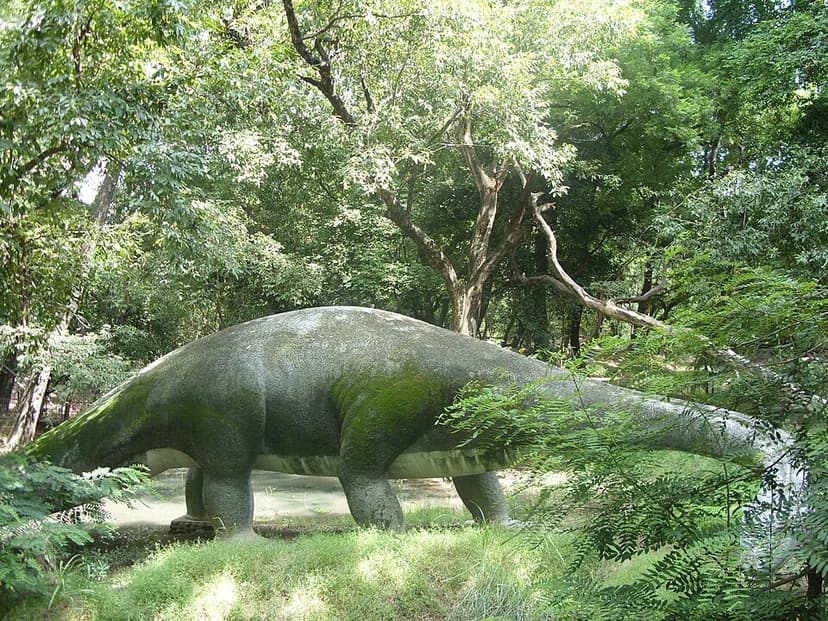
Kanpur Zoological Park
Kanpur Zoological Park, also known as Allen Forest Zoo, is a significant zoological park located in Kanpur, India. It is distinguished as the largest open green space in Kanpur and the largest zoological park in North India, notable for being one of the few zoos in India established within a natural forest setting. The zoo is recognized for its ISO certification in Environment Management System Standard and its innovative term "WILDOMESTIC" for captive-born wild animals.
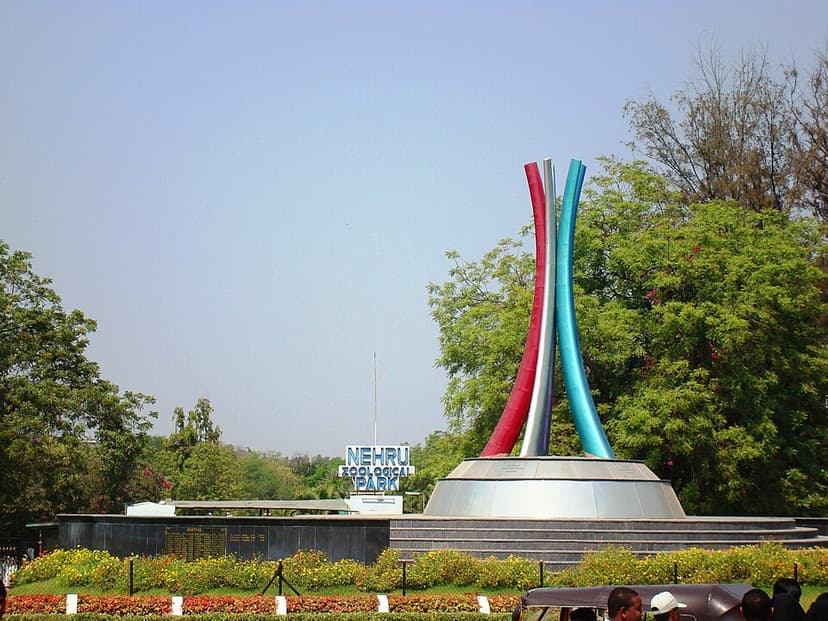
Nehru Zoological Park
Nehru Zoological Park, also known as Zoo Park, is a significant zoological garden located in Bahadurpura, Telangana, India. Established in 1963 and named after India's first Prime Minister, Jawaharlal Nehru, it is a major tourist attraction and a hub for wildlife conservation and education.

Rajiv Gandhi Zoological Park
The Rajiv Gandhi Zoological Park, located in Katraj, Pune, India, is a significant zoological facility managed by the Pune Municipal Corporation. Spanning 130 acres, it encompasses a zoo, a snake park, and an animal orphanage, and is situated alongside the historic Katraj Lake.