
Ogród Zoobotaniczny w Toruniu
Poland·Zoobotanical Garden·18th century
The Ogród Zoobotaniczny w Toruniu, located in Toruń, Poland, is a zoological and botanical garden with roots dating back to 1797, making it one of Poland's oldest botanical gardens. It merged with a newly established zoo in 1965 and is a member of the European Association of Zoos and Aquaria (EAZA). The garden features a diverse collection of animals and notable protected plant species, serving as a significant educational and recreational facility.
Key Facts
- ›Established as a botanical garden in 1797 by Johann Gottlieb Schultz.
- ›Merged with a newly opened zoo in 1965.
- ›Located in Toruń, Kuyavian-Pomeranian Voivodeship, Poland.
- ›A member of the European Association of Zoos and Aquaria (EAZA) since 2007.
- ›Features a Mini Zoo for children to interact with animals.
- ›Home to a collection of protected plant species including Ginkgo biloba and London plane.

Brown Bears, European Bisons, Meerkats, Mouflons, Lynxes, Porcupines, Ostriches, Reeves's Muntjacs, Red-Necked Wallabies, Long-Tailed Gorals, Alpacas, Wild Goats, Llamas, Parrots, Domestic Yaks, Monkeys, Raccoon Dogs
About Ogród Zoobotaniczny w Toruniu
The Ogród Zoobotaniczny w Toruniu, located in Toruń, Poland, is a significant zoological and botanical garden with a long and rich history. Its origins trace back to 1797 when Johann Gottlieb Schultz established a botanical garden on the site of an existing historical manor house and garden complex. This makes it one of the oldest botanical gardens in Poland.
History and Development
Schultz's botanical garden was intended to have a sentimental character, featuring numerous bridges, locks, aviaries, and greenhouses. He acquired and planted a variety of rare European plant species, forming the initial foundation of the garden's collection. Following Schultz's death, the garden became the property of the Protestant Royal Academic Gymnasium in Toruń. After World War I, the garden experienced a period of neglect, becoming overgrown. However, during the rapid development of the Second Polish Republic in the 1920s, efforts were made to revitalize the botanical garden.
A pivotal moment in the garden's evolution occurred in 1963 and 1964 when Arnbert Sadecki facilitated the transfer of a number of animals from Argentina. This influx of fauna led to the creation of the zoological garden, which was then merged with the existing botanical garden in 1965. Among the first animals introduced to the zoo were llamas, parrots, and domestic yaks. New aviaries and pavilions were constructed to house the expanding animal collection. The zoological garden officially opened its doors to visitors in the 1970s.
Further expansion and diversification occurred in the 1990s with the acquisition of new animal species such as monkeys and raccoon dogs, alongside Barbary sheep. Funding from the Toruń city authorities began in 1993, supporting the garden's operations and development. During this period, a Mini Zoo was also established, providing children with opportunities for close interaction with animals.
Collections and Features
The Ogród Zoobotaniczny w Toruniu is home to a diverse array of animals, including brown bears, European bisons, meerkats, mouflons, lynxes, porcupines, ostriches, Reeves's muntjacs, red-necked wallabies, long-tailed gorals, alpacas, and wild goats. The botanical collection features notable legally protected plant species, such as the London plane, Austrian pine, Ginkgo biloba, Turkish hazel, beech, and European oak.
Since 2007, the Ogród Zoobotaniczny w Toruniu has been a member of the European Association of Zoos and Aquaria (EAZA), signifying its commitment to zoological standards and conservation efforts.
Source: Wikipedia ↗
Frequently Asked Questions
When was the Ogród Zoobotaniczny w Toruniu established?
The botanical garden component of the Ogród Zoobotaniczny w Toruniu was established in 1797 by Johann Gottlieb Schultz, making it one of the oldest such gardens in Poland. The zoological garden was added and merged with the botanical garden in 1965.
What is the history of the Ogród Zoobotaniczny w Toruniu?
The site originally had a manor house and garden in the late 17th century. Johann Gottlieb Schultz established a botanical garden in 1797, which later came under the ownership of the Protestant Royal Academic Gymnasium. After a period of decline following World War I, it was revitalized in the 1920s. In the 1960s, animals were introduced, leading to the creation of the zoological garden, which has been open to visitors since the 1970s.
What types of animals can be seen at the zoo?
Visitors can see a variety of animals, including brown bears, European bisons, meerkats, mouflons, lynxes, porcupines, ostriches, Reeves's muntjacs, red-necked wallabies, long-tailed gorals, alpacas, and wild goats. Early animals included llamas, parrots, and domestic yaks, with later additions of monkeys and raccoon dogs.
What notable plants are housed in the garden?
The garden collection includes several legally protected plant species. Among these are the London plane, Austrian pine, Ginkgo biloba, Turkish hazel, beech, and European oak.
Is the Ogród Zoobotaniczny w Toruniu part of any international organizations?
Yes, since 2007, the Ogród Zoobotaniczny w Toruniu has been a member of the European Association of Zoos and Aquaria (EAZA). This membership indicates adherence to certain standards in zoological and conservation practices.
Related Zoos
Ménagerie du Jardin des Plantes
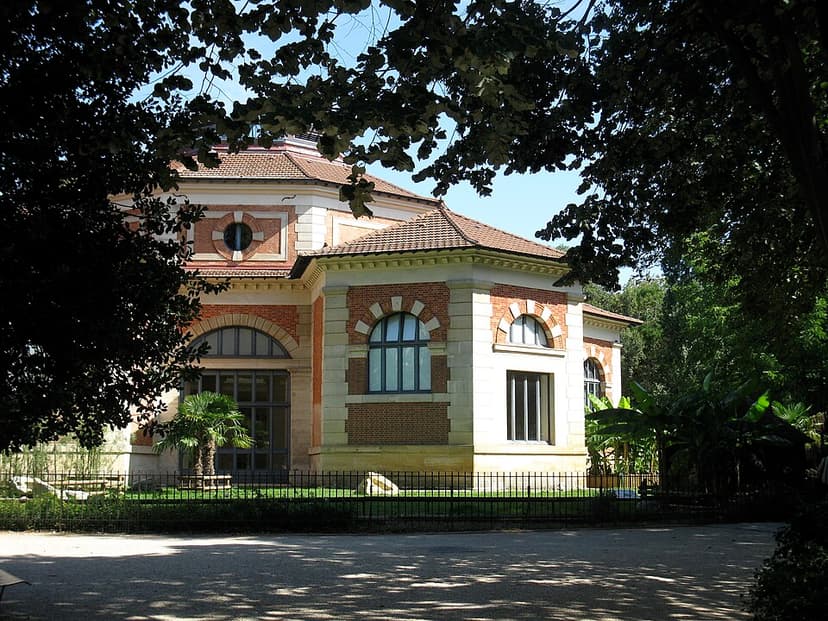
The Ménagerie du Jardin des Plantes is a historic zoo located in Paris, France, within the botanical garden of the Jardin des Plantes. Established in 1794, it is the second oldest zoological garden globally and was largely formed from animals transferred from the dissolved royal menagerie at Versailles. Today, it houses a diverse collection of rare smaller and medium-sized mammals, alongside various birds and reptiles, and plays a role in public education and scientific study.

Tiergarten Schönbrunn
Tiergarten Schönbrunn, also known as Vienna Zoo, is the world's oldest zoo still in operation, established in 1752 within the Schönbrunn Palace gardens. It is a UNESCO World Heritage Site and a prominent European zoo, recognized for its extensive species collection and significant conservation efforts. The zoo attracts over two million visitors annually and is celebrated for its successful breeding programs, most notably with giant pandas.
Fokarium na Helu
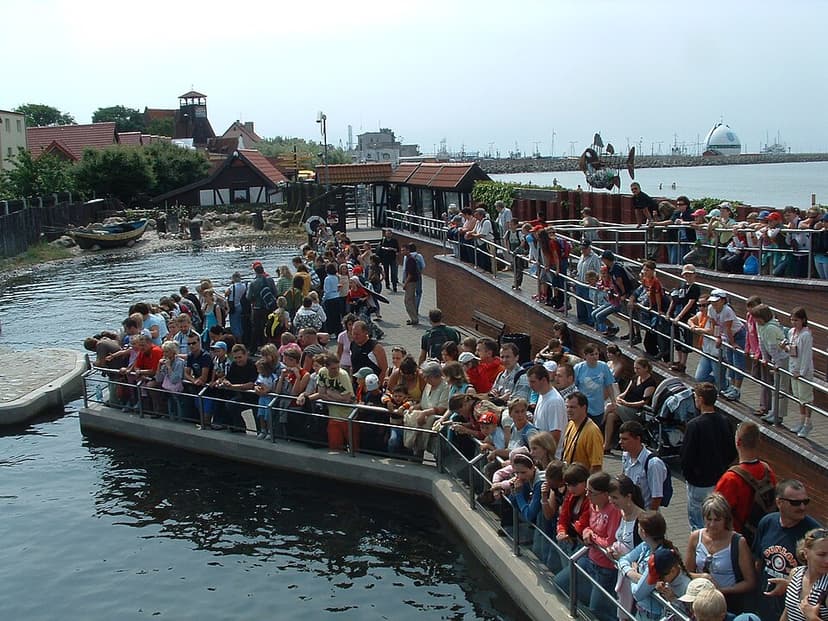
The Seal Sanctuary in Hel (Fokarium w Helu) is a public aquarium located in Hel, Poland, on the Baltic Sea coast. It is primarily dedicated to the protection of Baltic seals and the promotion of knowledge about them and environmental protection, rather than being a commercial zoo or circus.