
Tiergarten Schönbrunn
Tiergarten Schönbrunn, also known as Vienna Zoo, is the world's oldest zoo still in operation, established in 1752 within the Schönbrunn Palace gardens. It is a UNESCO World Heritage Site and a prominent European zoo, recognized for its extensive species collection and significant conservation efforts. The zoo attracts over two million visitors annually and is celebrated for its successful breeding programs, most notably with giant pandas.
Key Facts
- ›Established in 1752, making it the world's oldest operating zoo.
- ›Covers an area of 17 hectares (42 acres).
- ›As of 2021, housed approximately 8,250 specimens representing 707 species.
- ›A UNESCO World Heritage Site as part of the Schönbrunn Palace gardens.
- ›Recognized as the best zoo in Europe multiple times, including in 2021.
- ›Features giant pandas, a primary attraction and part of a cooperative breeding program.

Polar Bear World - Franz Josef Land, Polarium, Rainforest House, Orang.Erie, Insectarium, Aquarium and Terrarium House, Tirolerhof, South America Park, Big Cat House, Birdhouse, Rhino Park, Giraffe House, Giant Pandas Exhibit
Giant Pandas, Indian Elephants, Polar Bears, Giraffes, Amur Leopards, Siberian Tigers, South American Sea Lions, Penguins, Orangutans, Indian Rhinos
- EAZA Ex-situ Programme (EEP) for southern and northern rockhopper penguins and Fiji banded iguanas
- Cooperation with China Wildlife Conservation Association (CWCA) for giant panda protection
- European Life+ project to reintroduce the northern bald ibis
- Rescue mission for northern river terrapins in Bangladesh
- Support for Polar Bears International (PBI)
- Barbary Macaque Awareness and Conservation (BMAC) project in Morocco
- Research project on Brazilian tapirs in the Pantanal
- Protection of European pond turtles with Donau-Auen National Park
- Reintroduction of bearded vultures
- Reintroduction of the Ural owl
About Tiergarten Schönbrunn
Tiergarten Schönbrunn: A Historical Jewel of Zoological Conservation
Tiergarten Schönbrunn, commonly known as Vienna Zoo, stands as the world's oldest continuously operating zoo, a testament to centuries of zoological dedication and conservation. Established in 1752 as a royal menagerie within the Baroque splendor of the Schönbrunn Palace gardens, it has evolved from a private imperial collection to a leading institution in wildlife conservation and public education. Its historical significance is recognized by its inclusion as a UNESCO World Heritage Site, underscoring its unique place in both Austrian history and global zoological heritage.
Founding and Imperial Beginnings
The genesis of Tiergarten Schönbrunn lies with Francis Stephen of Lorraine, the consort of Empress Maria Theresa. Commissioned in 1745, the menagerie was designed to be a place of wonder and scientific curiosity, initially accessible only to the imperial family. Over time, access was gradually extended to the public, with Sundays in 1778 opening the gates to "decently dressed persons." The zoo's early collection featured exotic animals, drawing significant interest and contributing to the cultural fabric of Vienna, as evidenced by the widespread fascination with the arrival of its first giraffe in 1828.
Evolution Through the Centuries
Throughout the 19th and 20th centuries, Tiergarten Schönbrunn underwent significant transformations. It navigated periods of hardship, including the devastating impacts of both World Wars, which led to substantial animal loss and damage to facilities. Yet, through the resilience of its staff and the support of the Viennese public, the zoo not only survived but rebuilt and modernized. The mid-20th century saw the introduction of an aquarium and terrarium building, and later expansion efforts in the late 20th century doubled its original area. The zoo's restructuring as a private entity in 1991, Schönbrunner Tiergarten-Ges.m.b.H., with the Republic of Austria as the sole shareholder, paved the way for extensive modernization and a renewed focus on conservation.
Modern Zoo and Conservation Focus
Today, Tiergarten Schönbrunn is celebrated for its commitment to wildlife conservation, participating in numerous international breeding programs and research projects. It is particularly renowned for its successful breeding of giant pandas, a species it has housed since 2003, contributing significantly to global efforts to protect them. The zoo's exhibits are designed to replicate natural habitats, offering visitors immersive experiences from the Arctic to the rainforest. With a collection of over 700 species and a consistent ranking among Europe's best zoos, Tiergarten Schönbrunn continues to be a vital center for animal welfare, scientific research, and public engagement with the natural world.
Source: Wikipedia ↗
Frequently Asked Questions
When was Tiergarten Schönbrunn founded?
Tiergarten Schönbrunn was founded in 1752. It was commissioned by Francis Stephen of Lorraine, husband of Maria Theresa, and designed by architect Jean Nicolas Jadot de Ville-Issey.
What is the size of Tiergarten Schönbrunn?
The zoo covers an area of 17 hectares, which is equivalent to approximately 42 acres.
What are the main attractions at Tiergarten Schönbrunn?
One of the primary attractions is the presence of giant pandas, making it one of the few zoos globally to house them. The zoo also features a wide array of other animals in diverse exhibits.
What is the significance of Tiergarten Schönbrunn being a UNESCO World Heritage Site?
Tiergarten Schönbrunn is a UNESCO World Heritage Site because it is part of the Schönbrunn Palace gardens. This designation recognizes its historical and cultural importance.
What notable breeding successes has Tiergarten Schönbrunn achieved?
The zoo is particularly noted for its successful giant panda breeding program, including the birth of Europe's first naturally conceived panda cub and the first captive panda to raise twins without human assistance. They also have successes with other species like anteaters and European pond turtles.
Does Tiergarten Schönbrunn have an aquarium?
Yes, Tiergarten Schönbrunn has an Aquarium and Terrarium House, which features various aquatic species like piranhas, moray eels, and a large coral reef. A new, larger conservation aquarium is planned to open in 2028.
What conservation efforts does Tiergarten Schönbrunn undertake?
The zoo actively participates in international breeding programs for wildlife conservation, maintaining studbooks for species like rockhopper penguins and Fiji banded iguanas. They also support projects for giant pandas, northern bald ibis, polar bears, and local Austrian species like pond turtles.
Related Zoos
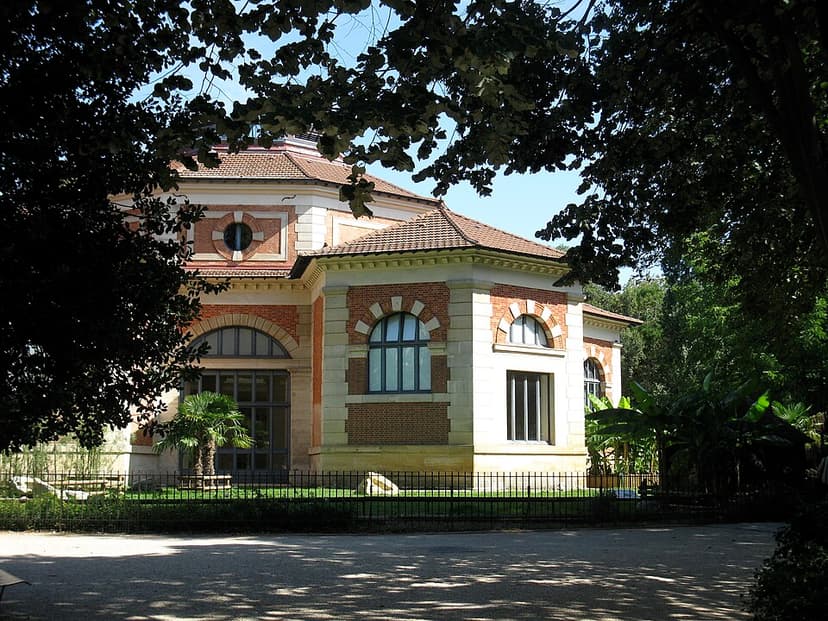
Ménagerie du Jardin des Plantes
The Ménagerie du Jardin des Plantes is a historic zoo located in Paris, France, within the botanical garden of the Jardin des Plantes. Established in 1794, it is the second oldest zoological garden globally and was largely formed from animals transferred from the dissolved royal menagerie at Versailles. Today, it houses a diverse collection of rare smaller and medium-sized mammals, alongside various birds and reptiles, and plays a role in public education and scientific study.

Ogród Zoobotaniczny w Toruniu
The Ogród Zoobotaniczny w Toruniu, located in Toruń, Poland, is a zoological and botanical garden with roots dating back to 1797, making it one of Poland's oldest botanical gardens. It merged with a newly established zoo in 1965 and is a member of the European Association of Zoos and Aquaria (EAZA). The garden features a diverse collection of animals and notable protected plant species, serving as a significant educational and recreational facility.

Haus des Meeres
Haus des Meeres is a public aquarium located in Vienna, Austria, housed within a former World War II flak tower. It is a significant urban zoo and aquarium, attracting hundreds of thousands of visitors annually and showcasing over ten thousand aquatic beings. The institution operates as a private non-profit organization focused on public education and marine life.