
Oji Zoo
Kōbe Ōji Zoo, also known as Kobe Zoo or Ōji Zoo, is a municipal zoological garden located in Kobe, Japan. It is a significant attraction within the larger Ōji Park, offering a diverse range of animal exhibits and educational facilities, alongside a small amusement park and a historic cultural property.
Key Facts
- ›Established as a municipal zoo in Kobe, Japan.
- ›Features a dedicated Panda House, home to giant pandas since 2000.
- ›Includes a Zoological Science Center for educational purposes.
- ›Houses a variety of large predators in the Big Cats Circle.
- ›Boasts a Polar Bear House with both aboveground and underwater viewing.
- ›The E.H. Hunter House, a 19th-century foreign residence and Important Cultural Property, is located within the zoo grounds.

Panda House, Zoological Science Center, Big Cats Circle, Polar Bear House, Animals' Land & Children's Zoo, E.H. Hunter House
Giant Pandas, Polar Bears, Tigers, Lions, Leopards, Snow Leopards, Jaguars, Red Pandas, Koalas, Giraffes, Zebras, Kangaroos, Ostriches, Flamingos, Hippos, Elephants
About Oji Zoo
Kōbe Ōji Zoo, commonly referred to as Kobe Zoo or Ōji Zoo, is a municipal zoological garden situated in the vibrant city of Kobe, Japan. It operates as a key attraction within the larger Ōji Park, a sprawling public space that also encompasses sports facilities and cultural sites.
Key Features and Attractions
The zoo is recognized for several distinct areas and exhibits. Since the year 2000, Oji Zoo has housed giant pandas, making its Panda House a significant draw for visitors. Complementing its animal collections, the Zoological Science Center offers an indoor educational experience with skeletal specimens and a reading room. The Big Cats Circle is home to a formidable array of large felines, including tigers, lions, leopards, snow leopards, and jaguars. For arctic wildlife enthusiasts, the Polar Bear House provides engaging aboveground and underwater viewing opportunities.
The Animals' Land & Children's Zoo section caters to younger visitors and those interested in more domestic or smaller exotic species, featuring farm animals, small domestic animals, red pandas, otters, and koalas. Adding to its diverse offerings, Oji Zoo includes a small amusement park with rides and games for children, such as a Ferris wheel and chair swing ride.
Cultural Significance
Beyond its zoological and recreational functions, Oji Zoo also preserves a piece of local history with the E.H. Hunter House. This structure was the former residence of Edward Hazlett Hunter, the founder of Osaka Iron Works. As an elaborate example of a 19th-century ijinkan, or 'foreign home,' it has been designated an Important Cultural Property by both the prefecture and the nation. While located within the zoo's grounds, access to its interior, which features period furniture, is limited to specific months each year.
Surrounding Area
While enclosed and requiring admission, the zoo is technically part of Ōji Park. The surrounding vicinity includes the Ōji Sports Center to the northwest, tennis courts to the northeast, Ōji Stadium to the east, and the Museum of Literature to the southwest, integrating the zoo into a broader recreational and cultural hub for the city.
Source: Wikipedia ↗
Frequently Asked Questions
What are the main attractions at Oji Zoo?
Oji Zoo features a variety of attractions including a Panda House, Zoological Science Center, Big Cats Circle, and a Polar Bear House. Visitors can also explore Animals' Land & Children's Zoo, a small amusement park with rides, and the historic E.H. Hunter House.
When did Oji Zoo start keeping giant pandas?
The zoo has been keeping giant pandas in its collection since the year 2000, making the Panda House a key attraction.
What kind of animals can be seen at Oji Zoo?
Oji Zoo houses a wide array of animals including giant pandas, polar bears, tigers, lions, leopards, jaguars, giraffes, zebras, kangaroos, ostriches, flamingos, hippos, apes, crocodiles, sea lions, elephants, and red pandas, among others.
Is there anything historical at Oji Zoo?
Yes, the E.H. Hunter House is located within the zoo. This former residence of Edward Hazlett Hunter is an example of a 19th-century ijinkan and has been designated an Important Cultural Property.
What educational facilities does Oji Zoo offer?
Oji Zoo provides a Zoological Science Center, which is an indoor educational facility. It features skeletal specimens and a reading room for visitors interested in learning more about animals.
Related Zoos

Akita Omoriyama Zoo
Akita Omoriyama Zoo, also known as "Milve," is a municipal zoo located in Akita, Japan. Opened in its current location in 1972, it is modeled after Hokkaido's Asahiyama Zoo, featuring naturalistic habitats and "action exhibits" to encourage animal activity. The zoo is accredited by the Japanese Association of Zoos and Aquariums (JAZA) and has a history of successful captive breeding programs.

Asahiyama Zoo
Asahiyama Zoo is Japan's northernmost municipal zoo, located in Asahikawa, Hokkaido. It gained significant popularity for its innovative interactive exhibits that allow visitors to observe animals in unique ways, leading to record visitor numbers. The zoo is accredited by the Japanese Association of Zoos and Aquariums and is known for its focus on showcasing natural animal behaviors.
Sabae Nishiyama Park Zoo
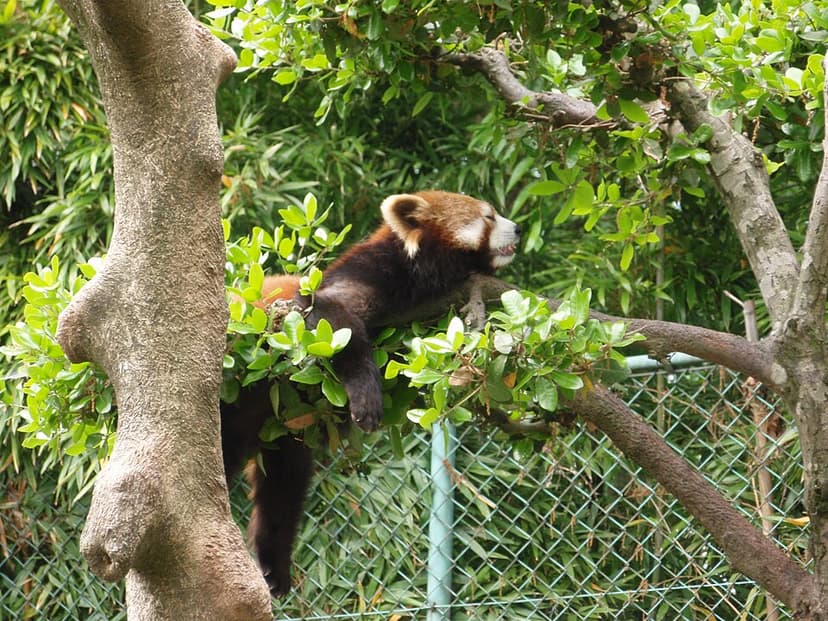
Sabae Nishiyama Park Zoo is a small, admission-free municipal zoo located in Sabae City, Fukui Prefecture, Japan. It is particularly renowned for its significant population of red pandas, which are the official animal of the city and have a long history at the zoo, tracing back to a donation from Beijing Zoo in 1984. The zoo also houses other notable species, contributing to its local importance.