
Orana Wildlife Park
New Zealand·Open-Range Zoo·20th Century
Orana Wildlife Park is New Zealand's sole open-range zoo, situated on 80 hectares on the outskirts of Christchurch. Established in 1976 and operated by the Orana Wildlife Trust, it aims to provide recreation, conserve endangered wildlife, educate visitors, and support research. The park is a registered charity and relies heavily on gate takings and fundraising for its operations and capital projects.
Key Facts
- ›Opened on September 25, 1976.
- ›Covers 80 hectares (approximately 198 acres).
- ›Owned and operated by the Orana Wildlife Trust, a registered charity.
- ›Features New Zealand's only gorillas and the only drive-through Lion Reserve in its history.
- ›Actively participates in breeding programs for native and exotic endangered species.
- ›Relies on gate takings and fundraising for over 95% of its income.

Great Ape Centre, Farmyard, Lion Reserve
Gorillas, Lions, Cheetahs, White Rhinoceros, Giraffes, Kiwi, Scimitar-Horned Oryx
Kiwi Breeding For Release, Whio Breeding For Release, Brown Teal Breeding For Release, Cheetah Breeding Program, Scimitar-Horned Oryx Breeding Program, White Rhinoceros Breeding Program, Giraffe Breeding Program, Save the Tasmanian Devil Programme
About Orana Wildlife Park
Orana Wildlife Park stands as New Zealand's sole open-range zoo, encompassing 80 hectares of land on the outskirts of Christchurch. Established in 1976, the park is managed by the Orana Wildlife Trust, a registered charity. Its core objectives include providing quality recreational experiences for visitors, conserving endangered native and exotic wildlife, educating the public, particularly children, on environmental and conservation matters, and supporting research into endangered animals.
History and Development
The park's origins trace back to the formation of the South Island Zoological Society in 1970. Orana officially opened on September 25, 1976, with an initial collection of 28 animals from six species, including lions, tiger cubs, camels, and water buffalo imported from Australia. A significant early attraction was the drive-through Lion Reserve, a unique feature in New Zealand at the time, which operated until 1995. Throughout its history, Orana has seen continuous development, including the expansion of its African Plains exhibits, the introduction of species like timber wolves, spider monkeys, scimitar-horned oryx, giraffes, white rhinoceros, and cheetahs. The park also established New Zealand's first kiwi house in 1984 and has since become a key participant in the recovery program for this native species.
Conservation and Breeding Successes
Conservation is a central pillar of Orana Wildlife Park's operations. The park is a member of international and Australasian zoo associations, actively participating in managed breeding programs for endangered species. Notable successes include being the first institution globally to breed scimitar-horned oryx by artificial insemination, with over 80 individuals bred. Orana has also contributed significantly to breeding programs for cheetahs, white rhinoceros, and giraffes. For native fauna, the park plays a crucial role in breed-for-release programs for kiwi, whio (blue duck), and brown teal (pateke), with hundreds of individuals released back into the wild. The park also focuses on raising awareness for species like the Sumatran tiger and the Tasmanian devil.
Notable Exhibits and Features
Orana Wildlife Park is recognized for housing New Zealand's only gorillas, with a dedicated Great Ape Centre opened in 2015. Other significant exhibits include a walk-through kea habitat, a large habitat for Sumatran tigers, and the New Zealand's biggest Tasmanian devil habitat. The park also maintains a popular Farmyard and has plans for future developments such as a Maud Island Frog Habitat and a New Zealand Native Centre to further its conservation efforts.
Operational Aspects
Orana Wildlife Park generates over 95% of its revenue through gate admissions and trading activities, necessitating a strong focus on fundraising for capital projects and improvements. The park has faced challenges, including damage from earthquakes and severe weather events, which have impacted operations and visitor numbers. Despite these setbacks, Orana continues to evolve, with ongoing efforts to enhance visitor experiences and expand its conservation initiatives.
Source: Wikipedia ↗
Frequently Asked Questions
When did Orana Wildlife Park open?
Orana Wildlife Park officially opened its gates to the public on September 25, 1976. The first animals arrived from Australia on September 10, 1976, just prior to the grand opening.
What is Orana Wildlife Park's mission?
The Orana Wildlife Trust aims to provide quality recreational opportunities, conserve endangered native and exotic wildlife, educate visitors about environmental and conservation issues, and support research related to endangered animals.
What notable animals are housed at Orana Wildlife Park?
Orana Wildlife Park is home to New Zealand's only gorillas, with a Great Ape Centre dedicated to them. Historically, it has also been known for its lions, cheetahs, white rhinoceros, and giraffes, and it plays a role in conserving native species like kiwi.
What conservation efforts does Orana Wildlife Park undertake?
The park participates in managed breeding programs for numerous endangered species, both native and exotic. It contributes to breed-for-release recovery programs for kiwi, whio (blue duck), and brown teal (pateke), and has had breeding successes with cheetah, scimitar-horned oryx, white rhinoceros, and giraffe.
What was the original main attraction at Orana Wildlife Park?
Upon opening, Orana's main drawcard was the drive-through Lion Reserve, which was the first and only one of its kind in New Zealand. This unique experience operated from 1976 until 1995.
How is Orana Wildlife Park funded?
Orana Wildlife Park generates over 95% of its income through gate takings and other trading activities. It must separately raise 100% of funds for all capital projects, improvements, and animal transfers through donations and fundraising efforts.
Related Zoos

Auckland Zoo
Auckland Zoo is a 16.35-hectare (40-acre) not-for-profit wildlife conservation organization located in Auckland, New Zealand. Established in 1922, it focuses on the wellbeing of people, wildlife, and nature, and is actively involved in conservation fieldwork and rehabilitation of native wildlife through its New Zealand Centre for Conservation Medicine.
Willowbank Wildlife Reserve
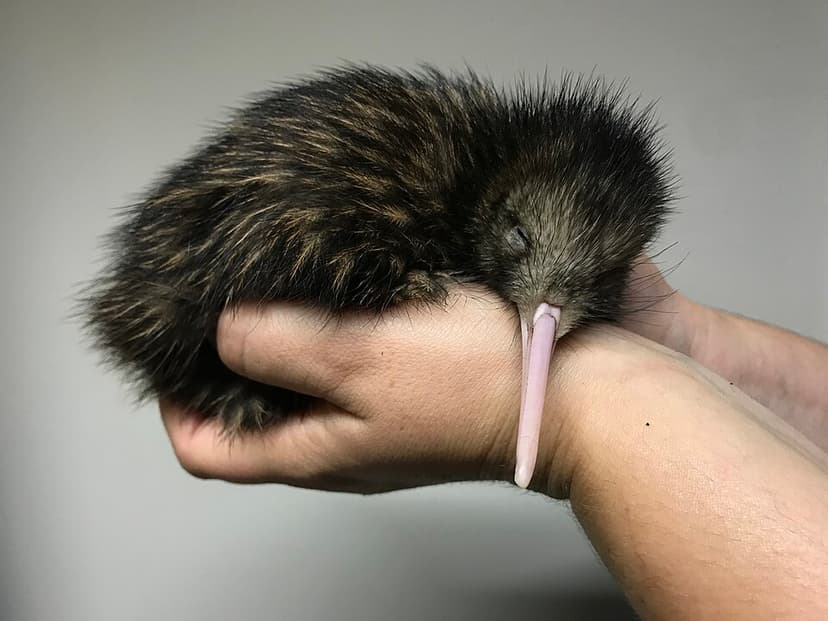
Willowbank Wildlife Reserve is a wildlife park and nature reserve located in Christchurch, New Zealand, dedicated to the conservation of native species. It plays a crucial role in breeding and displaying native New Zealand animals, including rare breeds and endangered species, while also offering public viewing of a diverse range of exotic and farmyard animals.
Africa Alive!
Africa Alive! Zoological Reserve, formerly known as Suffolk Wildlife Park, is an African-themed zoo located in Kessingland, Suffolk, UK. As part of the Zoological Society of East Anglia, it is a registered charity dedicated to wildlife conservation and education.