
Willowbank Wildlife Reserve
New Zealand·Wildlife Park and Nature Reserve·20th century
Willowbank Wildlife Reserve is a wildlife park and nature reserve located in Christchurch, New Zealand, dedicated to the conservation of native species. It plays a crucial role in breeding and displaying native New Zealand animals, including rare breeds and endangered species, while also offering public viewing of a diverse range of exotic and farmyard animals.
Key Facts
- ›Opened in October 1974 by Michael Willis and his wife.
- ›Houses 95 species divided into exotic, heritage farmyard, and New Zealand native sections.
- ›Carries out conservation of native species like tuatara, kiwi, brown teal, and Duvaucel's gecko.
- ›Hosts the New Zealand Conservation Trust, which breeds and hatches kiwi.
- ›Features a nocturnal viewing house for kiwi, opened in 1996 by Princess Anne.
- ›Is one of only three places where takahē can be viewed by the public, and the only such place in the South Island.
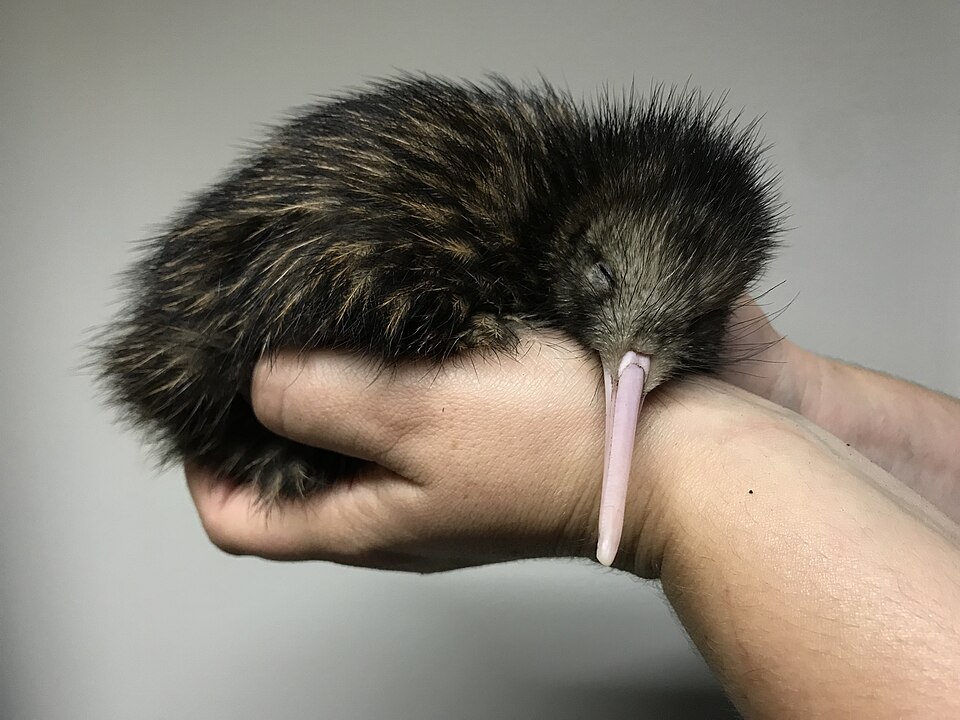
Nocturnal Viewing House For Kiwi, New Zealand Longfin Eel Habitat
Tuatara, Kiwi, Brown Teal, Duvaucel's Gecko, Takahē, New Zealand Longfin Eels, Kea, KāKā
- Kiwi Breeding and Hatching Program
- Conservation of native species including tuatara, brown teal, and Duvaucel's gecko
- Breeding Program For Rare Farmyard Breeds
About Willowbank Wildlife Reserve
Willowbank Wildlife Reserve is a significant wildlife park and nature reserve situated in Christchurch, New Zealand. Established in October 1974 by Michael Willis and his wife, Willowbank has evolved from a conventional zoo housing exotic and farmyard animals into a dedicated center for conservation and the display of native New Zealand species.
History and Development
Initially operating as a typical zoo, Willowbank's focus shifted as Michael Willis developed a greater interest in animal conservation. This led to the incorporation of more native species and rare farmyard breeds into its collection. The reserve plays a vital role in conservation efforts, notably through its involvement with the New Zealand Conservation Trust. This trust undertakes the breeding and hatching of kiwi, having successfully raised 200 chicks between 2007 and 2013 by collecting eggs from the wild to ensure successful hatching.
Notable Features and Species
Willowbank is home to 95 distinct species, categorized into three main sections: exotics, heritage farmyard, and New Zealand natives. The native section showcases a variety of endemic wildlife, including kea, kākā, North Island brown kiwi, South Island brown kiwi, Okarito kiwi, great spotted kiwi, morepork, New Zealand falcon, and tuatara. The reserve holds the distinction of being one of only three locations in New Zealand, and the sole facility in the South Island, where the takahē can be viewed by the public. They received a breeding pair of these rare birds in 2021.
A unique feature of Willowbank is its nocturnal viewing house for kiwi, which allows visitors to observe these birds during daylight hours. This facility was built from two kitset barns and was inaugurated in 1996 by Princess Anne, who also serves as the patron of the New Zealand Conservation Trust.
Furthermore, a waterway within the park is home to large New Zealand longfin eels, which visitors are able to interact with by touching and feeding them. The kea at Willowbank have also been the subject of scientific research, with studies investigating their intelligence and problem-solving abilities, including one notable case of a resident kea named Bruce utilizing pebbles as tools to aid in preening despite a significant beak deformity.
Conservation and Community Role
Beyond its public displays, Willowbank Wildlife Reserve is deeply committed to conservation. It actively participates in breeding programs for native species and supports the Rare Breeds Conservation Society by housing and breeding endangered farm animal species. The reserve's role in safeguarding and promoting awareness of New Zealand's unique biodiversity is central to its mission. In 2024, Willowbank announced its purchase of the International Antarctic Centre, indicating a potential expansion of its conservation and educational outreach.
Source: Wikipedia ↗
Frequently Asked Questions
What animals can I see at Willowbank Wildlife Reserve?
Willowbank houses 95 species across three sections: exotics, heritage farmyard, and New Zealand natives. Visitors can see international species like macaws and lemurs, heritage farm animals, and native New Zealand wildlife such as kea, kiwi, kākā, and tuatara.
Does Willowbank Wildlife Reserve focus on conservation?
Yes, Willowbank Wildlife Reserve actively carries out conservation of native species, including tuatara, kiwi, brown teal, and Duvaucel's gecko. They also host the New Zealand Conservation Trust, which is involved in breeding and hatching kiwi.
What is special about the takahē at Willowbank?
Willowbank Wildlife Reserve holds the only pair of takahē on display in the South Island of New Zealand outside of a Department of Conservation facility. They received a breeding pair in 2021.
Can visitors interact with animals at Willowbank?
Visitors can touch and feed the large New Zealand longfin eels that inhabit a waterway in the middle of the park. The park also offers a nocturnal viewing house for kiwi, allowing guests to observe them during the day.
What is the history of Willowbank Wildlife Reserve?
Willowbank Wildlife Reserve opened in October 1974 as a typical zoo with exotic and farmyard animals. Over time, it evolved to focus more on conservation of native species and rare farmyard breeds, influenced by the interests of its founders, Michael and his wife.
Related Zoos

Auckland Zoo
Auckland Zoo is a 16.35-hectare (40-acre) not-for-profit wildlife conservation organization located in Auckland, New Zealand. Established in 1922, it focuses on the wellbeing of people, wildlife, and nature, and is actively involved in conservation fieldwork and rehabilitation of native wildlife through its New Zealand Centre for Conservation Medicine.

Orana Wildlife Park
Orana Wildlife Park is New Zealand's sole open-range zoo, situated on 80 hectares on the outskirts of Christchurch. Established in 1976 and operated by the Orana Wildlife Trust, it aims to provide recreation, conserve endangered wildlife, educate visitors, and support research. The park is a registered charity and relies heavily on gate takings and fundraising for its operations and capital projects.
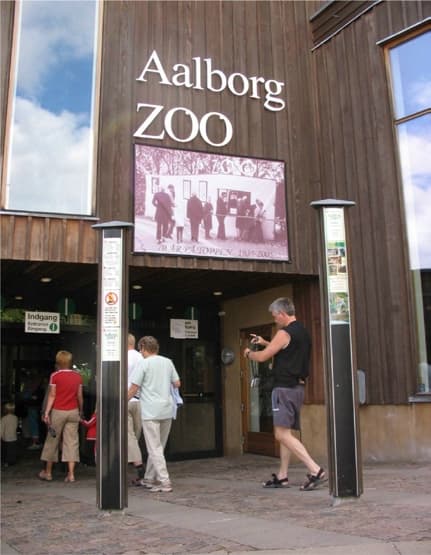
Aalborg Zoo
Aalborg Zoo is a zoological garden situated near the heart of Aalborg, Denmark, drawing approximately 375,000 visitors annually. It serves as a significant institution for animal conservation, actively participating in global breeding programs and environmental preservation projects, including supporting rainforest conservation in Ecuador.